
Business Flood Insurance in Florida: Key Coverage Options Explained
- marketing676641
- Nov 27, 2025
- 5 min read
Florida businesses face significant flood risks from hurricanes, tropical storms, and heavy rainfall. Standard commercial property insurance excludes flood damage, making dedicated flood coverage essential for protecting your business assets. Understanding your coverage options helps you select appropriate protection for your specific business needs.
National Flood Insurance Program Coverage Types
The National Flood Insurance Program (NFIP) provides the foundation for commercial flood insurance in Florida. NFIP offers two distinct coverage categories, each with separate deductibles and policy limits.
Building Coverage Protection
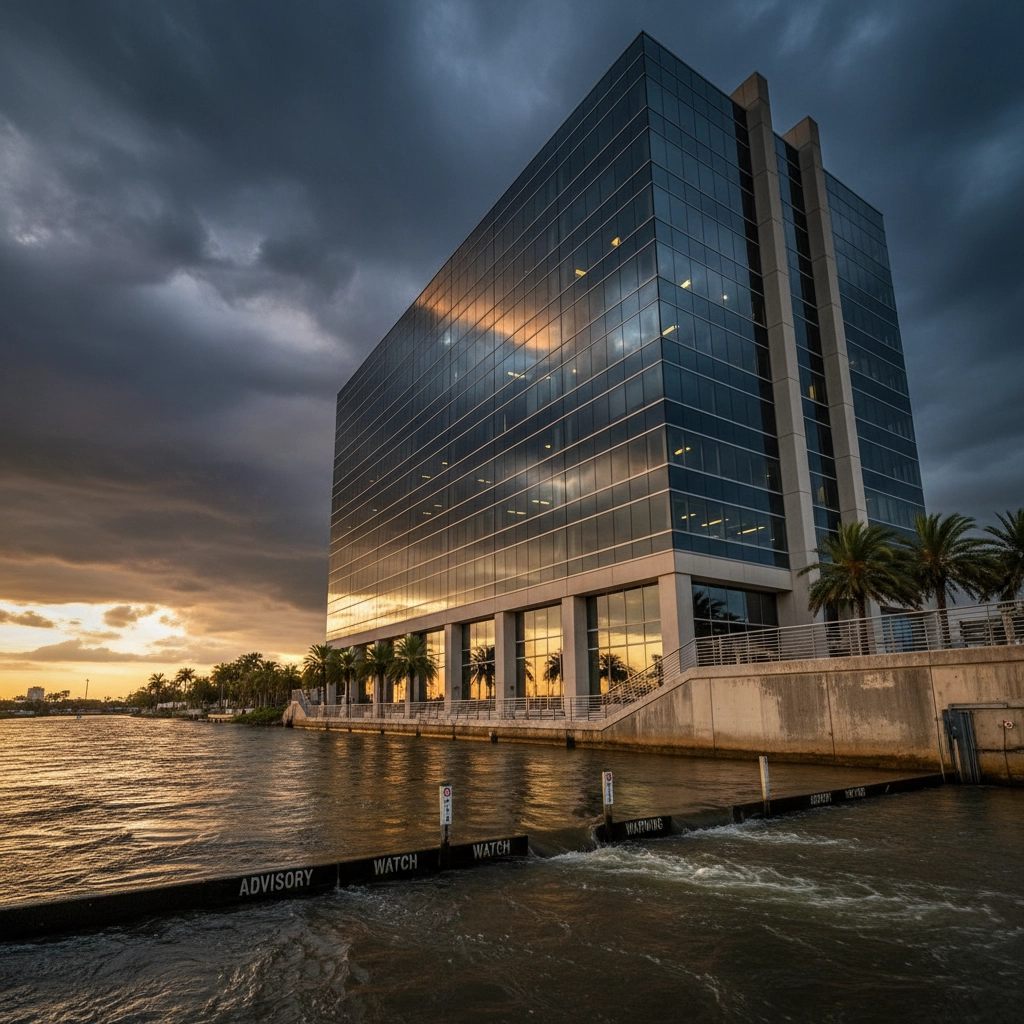
Building coverage protects your business structure and permanently attached fixtures. This coverage includes the building foundation, structural elements, and essential systems. Covered items encompass electrical and plumbing systems, central air conditioning units, furnaces, water heaters, built-in appliances, permanently installed carpeting over subflooring, built-in cabinets and bookcases, paneling, and windows and doors.
Foundation walls receive protection under building coverage, along with staircases, detached garages up to 10% of building coverage, fuel tanks and their connecting pipes, well water tanks and pumps, solar equipment, and fire sprinkler systems. Improvements and additions made to the building structure, including renovations and expansions, fall under this coverage category.
Contents Coverage Scope
Contents coverage, also called personal property coverage, protects movable business assets inside your building. This coverage addresses business inventory including merchandise, raw materials, finished products, and work in progress. Office furniture, shelving, equipment, and machinery receive protection under contents coverage.
Business equipment protection includes computers, printers, specialized tools, and industry-specific equipment. Electronic data and records coverage extends to databases, customer records, financial documents, and digital assets stored on-site. Temporary business property at other locations receives limited coverage under specific circumstances.
NFIP Coverage Limits and Gaps
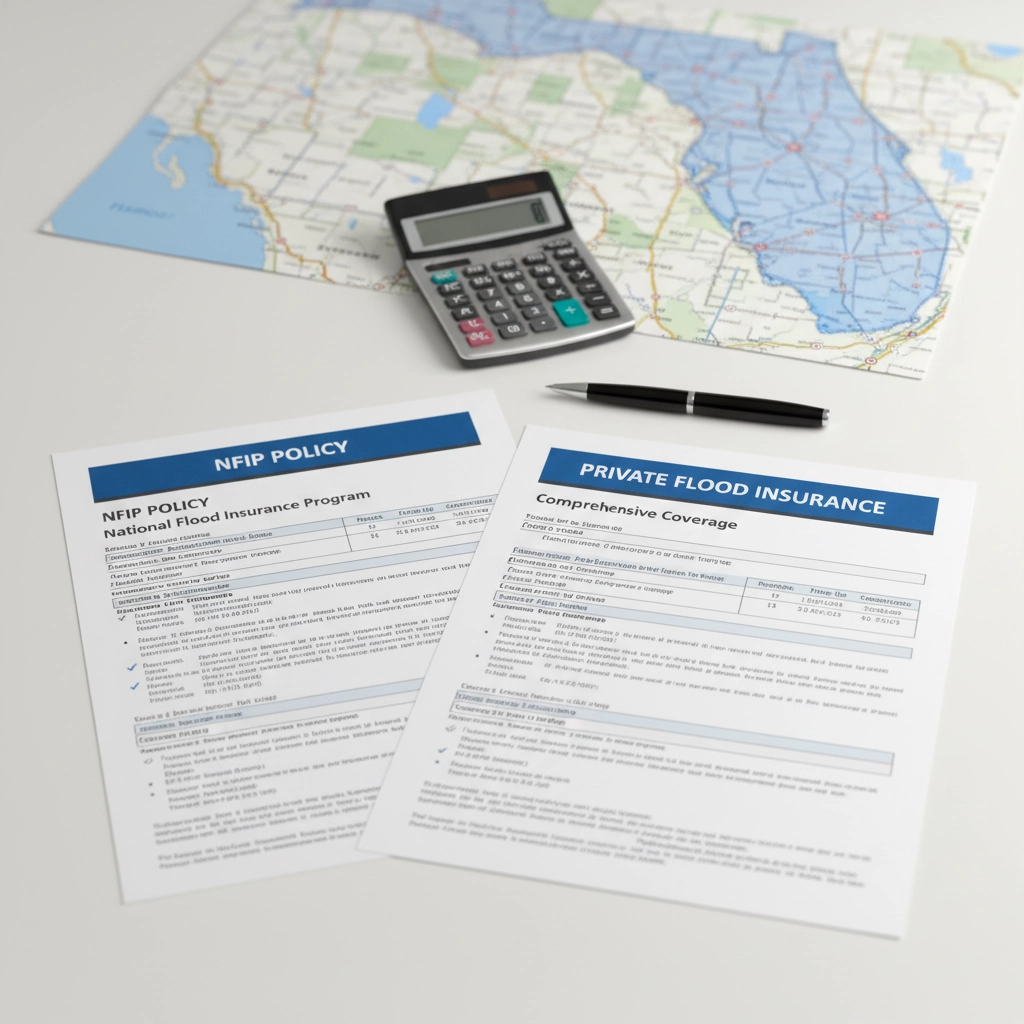
NFIP establishes maximum coverage limits of $500,000 for building structure and $500,000 for contents coverage. These limits apply per building and represent the highest amount available through federal flood insurance. Many Florida businesses require protection exceeding these federal limits.
Commercial buildings valued above $500,000 face coverage gaps under NFIP protection. Businesses with extensive inventory, expensive equipment, or multiple locations often need additional coverage beyond federal limits. High-value equipment, specialized machinery, and large inventory quantities require supplemental protection.

Private and Excess Flood Insurance Options
Private flood insurance providers offer alternatives and supplements to NFIP coverage. These policies provide higher coverage limits, enhanced coverage features, and additional protection options not available through federal programs.
Enhanced Coverage Limits
Private flood insurance policies offer building coverage limits exceeding $5 million per location. Contents coverage can reach similar high limits, providing comprehensive protection for valuable business assets. These higher limits address coverage gaps left by federal insurance maximums.
Replacement Cost Coverage
Private policies often provide replacement cost coverage for contents rather than actual cash value. Replacement cost coverage pays the full amount needed to replace damaged items without depreciation deductions. This coverage feature provides superior financial protection compared to actual cash value settlements.
Business Interruption Protection
Private flood insurance policies include business interruption coverage, protecting lost income and ongoing expenses during flood-related closures. This coverage addresses lost revenue, continuing expenses, and temporary relocation costs. Federal flood insurance does not provide business interruption protection.
Mandatory Coverage Requirements
Flood insurance becomes mandatory under specific circumstances affecting Florida businesses. Understanding these requirements helps ensure compliance and continued access to financing and federal assistance.
High-Risk Flood Zone Requirements
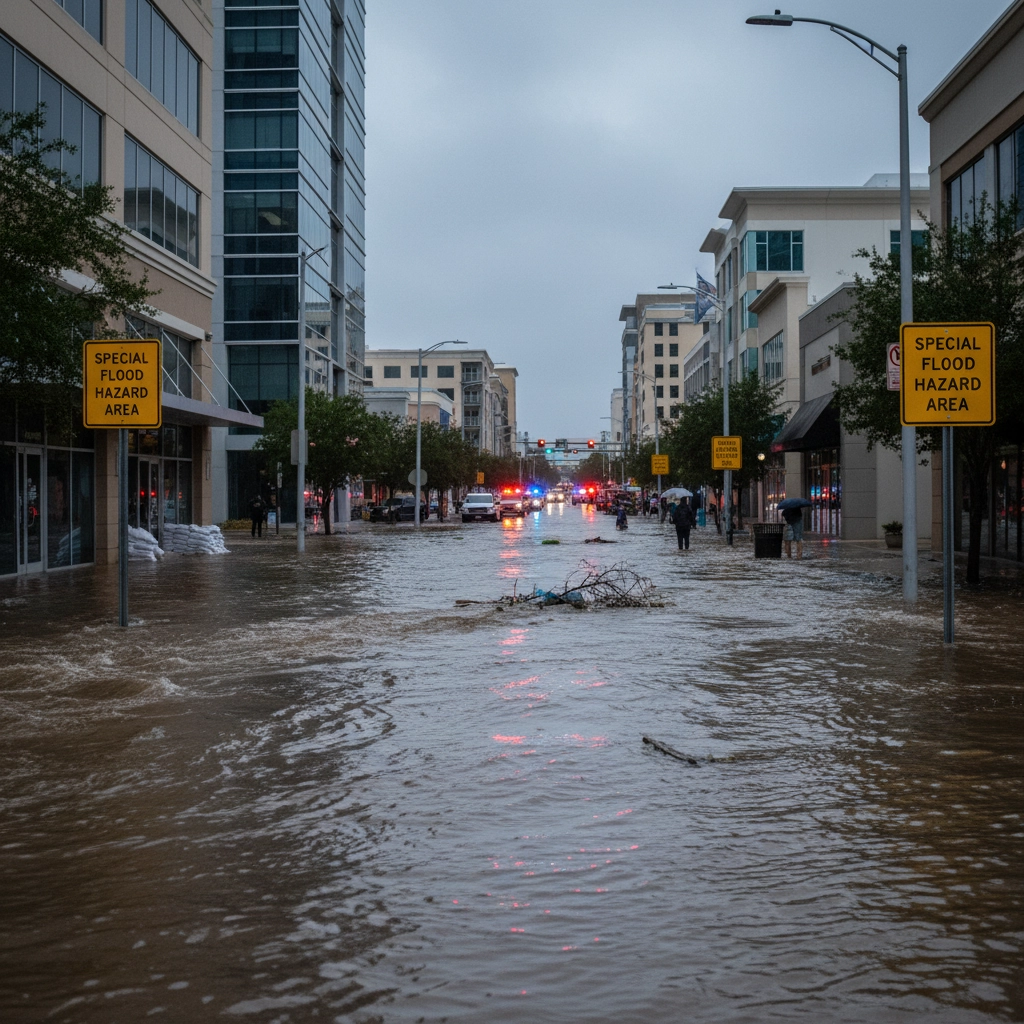
Businesses located in Special Flood Hazard Areas (SFHA) with federally backed mortgages must maintain flood insurance. These high-risk areas appear on FEMA flood maps as zones beginning with A or V. Lenders require proof of adequate flood insurance before closing commercial mortgages in these zones.
Federal Disaster Assistance Compliance
Businesses receiving federal disaster assistance must maintain flood insurance to remain eligible for future assistance. This requirement continues for the life of the building or until the federal debt is paid in full. Non-compliance results in ineligibility for future federal disaster assistance.
Lender Requirements
Many commercial lenders require flood insurance regardless of federal mandates. Lenders assess flood risk independently and may require coverage based on their own risk evaluation. These requirements apply even in moderate or low-risk flood zones.
Detailed Coverage Specifications
Understanding specific coverage details helps businesses evaluate their protection needs and identify potential gaps in coverage.
Building Coverage Inclusions
Building coverage protects structural components including foundation systems, load-bearing walls, roof structures, and building frameworks. Mechanical systems coverage includes heating, ventilation, air conditioning systems, electrical panels, and permanently installed generators. Plumbing systems, including pipes, fixtures, and water heaters, receive building coverage protection.
Architectural elements such as built-in millwork, permanently installed flooring, and structural glass receive coverage. Building improvement coverage extends to renovations, additions, and tenant improvements that become part of the permanent structure.
Contents Coverage Specifications
Business personal property coverage includes furniture, fixtures, equipment, and supplies. Inventory coverage protects raw materials, work in progress, finished goods, and merchandise held for sale. Office equipment including computers, telecommunications equipment, and business machines receive contents coverage.
Professional equipment specific to your business operations receives protection under contents coverage. Documents, records, and electronic data stored on-site qualify for coverage up to policy limits. Temporary locations receive limited contents coverage for property moved to protect it from flood damage.
Waiting Periods and Effective Dates
NFIP flood insurance policies include a mandatory 30-day waiting period before coverage takes effect. This waiting period prevents purchasing coverage immediately before expected flood events. Emergency coverage exceptions apply only in specific circumstances involving mortgage closing requirements.
Private flood insurance policies often provide shorter waiting periods, typically 5-7 days. Some private insurers offer immediate coverage in certain situations. Emergency binding coverage may be available for urgent protection needs.
Claims and Settlement Procedures
Flood insurance claims require prompt notification and proper documentation. Policyholders must report losses immediately and begin mitigation efforts to prevent additional damage. Professional adjustment services evaluate damage and determine coverage applications.
NFIP claims settlements use actual cash value calculations for most covered property. Private insurance policies may offer replacement cost settlements providing enhanced financial recovery. Understanding settlement methods helps businesses plan for potential loss recovery scenarios.

Coverage Evaluation and Selection
Businesses should assess their flood risk exposure and coverage needs through comprehensive property valuations. Professional risk assessments identify potential vulnerabilities and appropriate coverage levels. Insurance professionals help evaluate options and recommend suitable coverage combinations.
Consider your building value, contents value, business interruption exposure, and location-specific risks when selecting coverage. Combine NFIP base coverage with private excess insurance to achieve comprehensive protection. Regular coverage reviews ensure continued adequacy as your business grows and changes.
Insurance Alliance LLC provides expert guidance on Florida business flood insurance options. Our experienced team helps businesses evaluate their flood risk exposure and select appropriate coverage solutions. Contact us to discuss your specific flood insurance needs and explore available protection options.


Comments