
Beyond Theme Parks: Cyber Liability Coverage for Central Florida Businesses in High-Traffic Locations
- marketing676641
- Dec 28, 2025
- 5 min read
Central Florida attracts millions of visitors annually to destinations beyond the famous theme parks. Restaurants, retail shops, entertainment venues, and service businesses throughout the region handle massive volumes of customer data daily. These high-traffic locations face unique cyber liability exposures that require specialized insurance protection.
Tourist-heavy areas create distinct cybersecurity challenges. Businesses process thousands of transactions from visitors using various payment methods, devices, and networks. Each interaction represents a potential entry point for cybercriminals targeting customer payment information and personal data.
Heightened Cyber Risks in Tourist Destinations
High-traffic tourist businesses collect extensive customer information across multiple touchpoints. Restaurant point-of-sale systems process credit card data from breakfast through late-night dining. Retail establishments handle payment information, loyalty program data, and customer contact details. Entertainment venues manage ticket purchases, group bookings, and merchandise transactions.
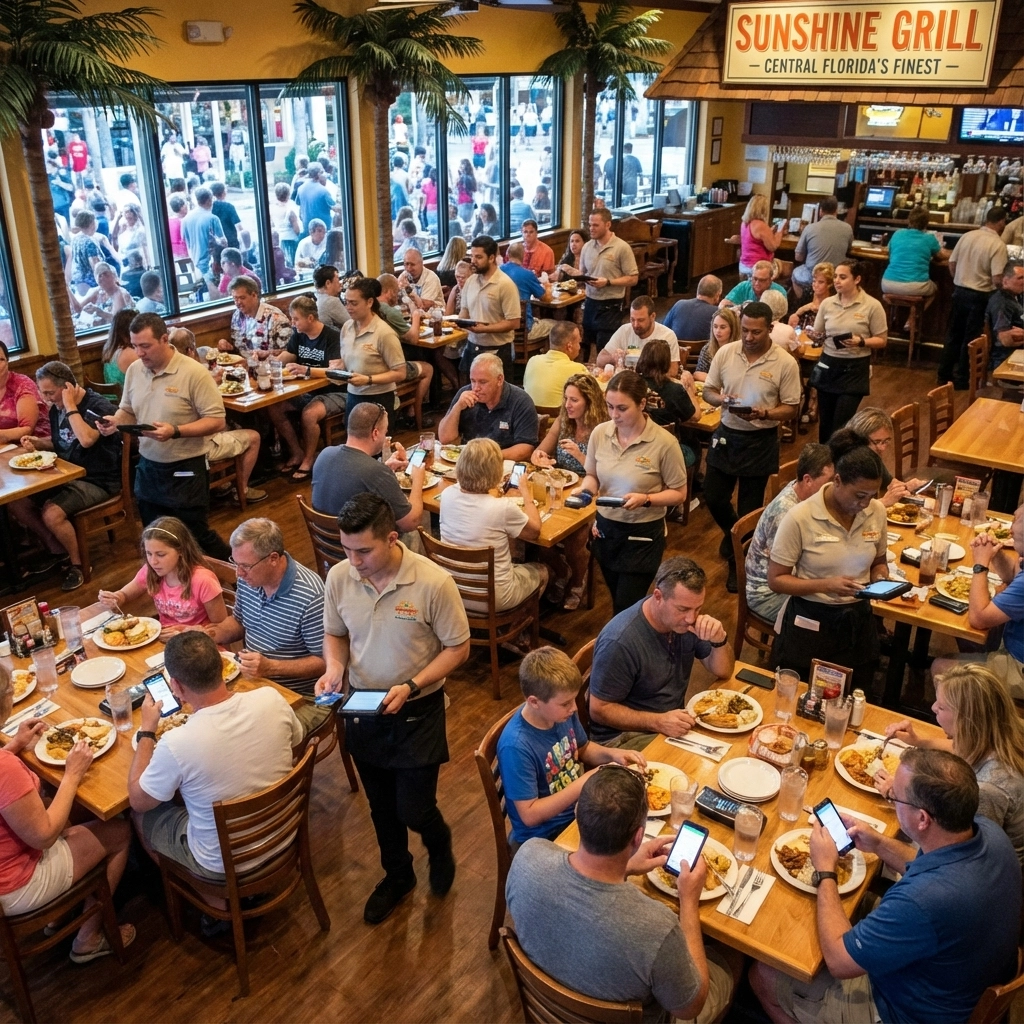
Visitors often use unsecured public Wi-Fi networks while making purchases, creating additional vulnerabilities. Cybercriminals specifically target tourist areas knowing that temporary visitors may not immediately detect fraudulent activity on their accounts. This delayed detection provides criminals extended time to exploit stolen information.
Tourist businesses also face elevated risks from staff turnover. Seasonal employment patterns common in Central Florida tourism create frequent changes in personnel with access to payment systems and customer data. Each new employee represents a potential security weakness without proper training and access controls.
Digital Payment Vulnerabilities
Central Florida businesses rely heavily on digital payment processing to accommodate visitor preferences. Credit cards, mobile payments, contactless transactions, and online ordering systems all create data collection points requiring protection. Payment Card Industry compliance standards mandate specific security measures, but cyber liability insurance provides additional protection beyond basic compliance requirements.
Restaurants accepting orders through third-party delivery platforms face multiple data exposure points. Customer information passes through restaurant systems, delivery app databases, and payment processors. Each connection creates potential vulnerabilities that cybercriminals can exploit to access customer payment data.
Retail businesses using integrated e-commerce platforms collect customer data both in-store and online. Cross-channel data synchronization creates multiple storage locations for sensitive information. Cyber liability coverage addresses exposures across all business channels and platforms.
High Volume Transaction Risks
Tourist destinations process significantly more transactions than typical local businesses. Peak season volumes can overwhelm security systems not designed for such capacity. Network bottlenecks during busy periods may force businesses to bypass security protocols, creating temporary vulnerabilities.
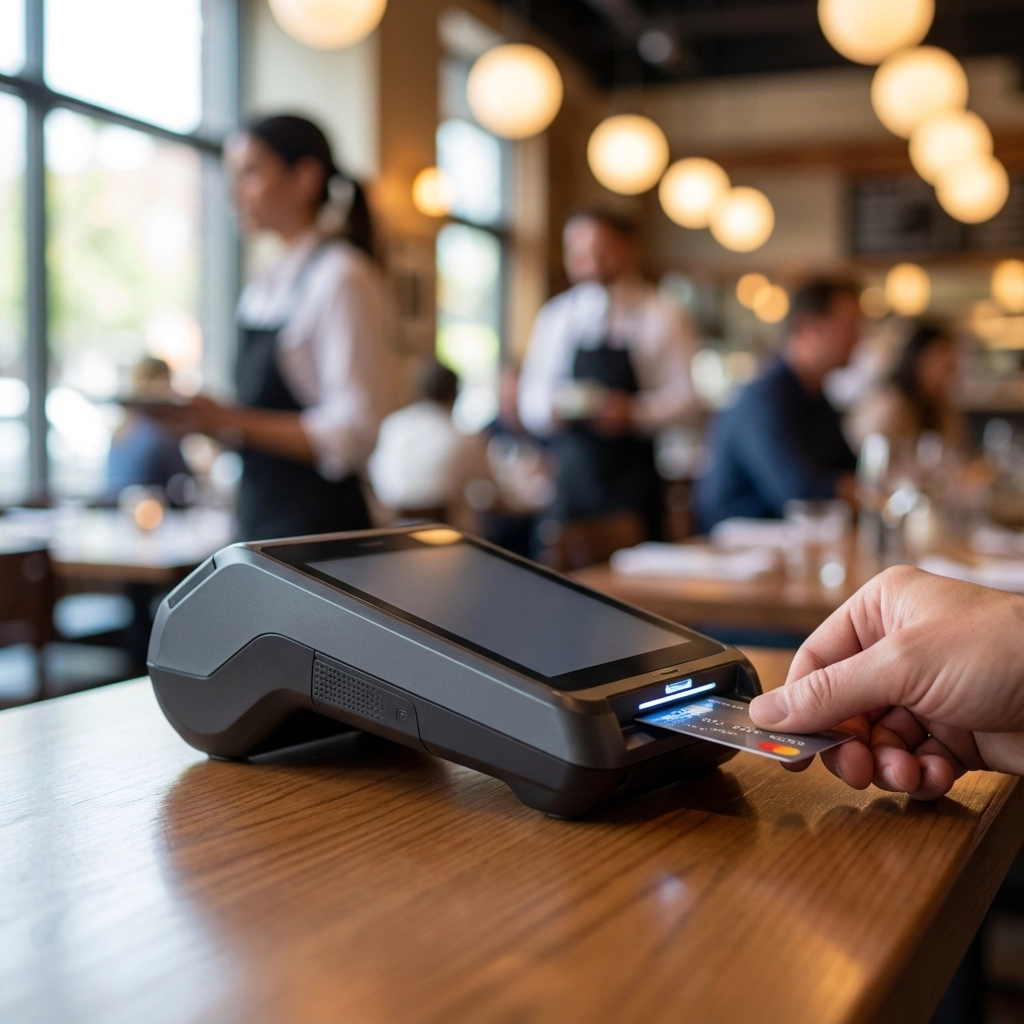
Large transaction volumes generate extensive data logs containing customer information. These logs often receive less attention than primary customer databases but contain valuable information for cybercriminals. Proper data retention policies and security measures protect these secondary data sources.
Businesses serving tour groups face concentrated risk exposure. Single incidents affecting group bookings or events can compromise hundreds of customer records simultaneously. Cyber liability insurance provides coverage for large-scale data breaches affecting multiple customers from single incidents.
Industry-Specific Coverage Considerations
Restaurants require cyber liability protection covering point-of-sale systems, online ordering platforms, customer databases, and employee access controls. Coverage should include business interruption protection for system downtime during peak dining periods. Notification costs for credit card breaches can be substantial when notifying customers across multiple states and countries.
Retail establishments need coverage for e-commerce platforms, inventory management systems, customer loyalty programs, and payment processing systems. Seasonal businesses may require flexible coverage limits accommodating peak tourist seasons. Merchandise authentication systems and customer review platforms create additional data exposure points requiring protection.
Entertainment venues collect ticket purchaser information, process group bookings, handle merchandise sales, and manage membership databases. Social media integration and mobile ticketing platforms expand cyber exposure beyond traditional payment processing. Coverage must address reputation damage from data breaches affecting visitor experiences.
Regulatory Compliance Requirements
Central Florida businesses must comply with various data protection regulations depending on customer origins and business operations. Payment Card Industry standards apply to all businesses accepting credit cards. State data breach notification laws require specific customer notification procedures within designated timeframes.
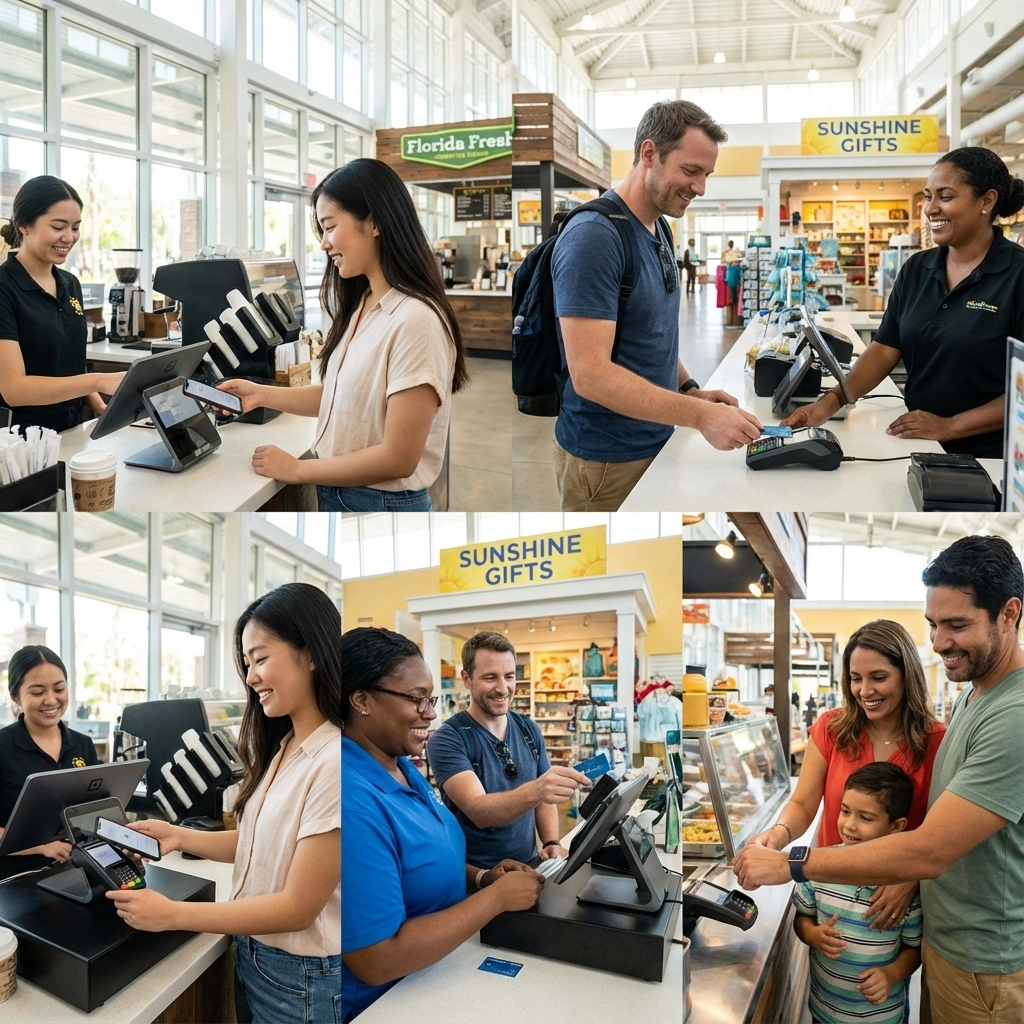
International visitors subject businesses to foreign data protection requirements. European customers invoke General Data Protection Regulation compliance obligations. Canadian visitors trigger Personal Information Protection and Electronic Documents Act considerations. Cyber liability policies help navigate complex regulatory landscapes affecting tourist-oriented businesses.
Customer notification requirements vary based on affected information types and customer locations. Credit card breaches trigger different notification protocols than personal information exposures. Cyber liability coverage includes expert guidance ensuring proper compliance with applicable notification requirements.
Business Interruption Protection
Tourist businesses cannot afford extended operational disruptions during peak seasons. Cyber incidents causing system outages directly impact revenue generation during critical earning periods. Business interruption coverage compensates for lost income while restoring affected systems and operations.
Recovery time extends beyond technical system restoration. Customer confidence rebuilding requires time and resources following data breaches. Public relations support included in comprehensive cyber liability policies helps restore business reputation and customer trust more effectively.
Peak season disruptions create cascading effects throughout tourist destinations. Individual business cyber incidents can affect entire commercial districts when customers lose confidence in area security. Comprehensive coverage includes support for community-wide reputation recovery efforts.
Risk Management Strategies
Effective cyber risk management begins with employee training programs addressing tourist business specific threats. Staff must recognize social engineering attempts targeting high-traffic locations. Training should cover proper handling of customer payment information and identification of suspicious activities.
Access control systems prevent unauthorized personnel from accessing customer data. Role-based permissions ensure employees only access information necessary for their specific job functions. Regular access reviews remove permissions for terminated or transferred employees.

Network security measures protect customer data during transmission and storage. Encrypted connections safeguard payment information traveling between devices and processing systems. Regular security assessments identify vulnerabilities before cybercriminals exploit them.
Data retention policies minimize exposure by limiting stored customer information duration. Tourist businesses often collect more customer data than necessary for transaction processing. Establishing clear data retention and disposal procedures reduces potential breach scope.
Vendor Management Considerations
Tourist businesses rely on numerous technology vendors providing payment processing, reservation systems, and customer management platforms. Each vendor relationship creates additional cyber exposure points requiring evaluation and management. Vendor security assessments ensure third-party providers maintain adequate protection standards.
Contractual agreements should clearly define security responsibilities and breach notification procedures. Insurance coverage must address exposures created through vendor relationships and shared customer data. Some policies exclude vendor-related breaches, making careful policy selection crucial for multi-vendor business operations.
Cloud service providers supporting tourist businesses require specific security certifications and compliance standards. Service level agreements should guarantee uptime during peak tourism periods. Cyber liability policies should address exposures created through cloud service disruptions or breaches.
Insurance Coverage Selection
Comprehensive cyber liability policies for Central Florida tourist businesses include first-party coverage for direct business losses and third-party coverage for customer claims resulting from data breaches. Coverage limits should reflect peak season revenue potential and customer volume capacity.
Policy terms must address seasonal business variations common in tourist destinations. Coverage should remain effective during slow periods while providing adequate limits during peak seasons. Some insurers offer flexible premium structures accommodating seasonal business patterns.
Claims response capabilities become critical during tourist seasons when rapid restoration is essential. Insurance providers should offer 24/7 claims support and maintain relationships with cyber incident response specialists familiar with tourist business operations. Quick response times minimize business disruption and customer impact during critical earning periods.
Insurance Alliance LLC provides cyber liability coverage specifically designed for Central Florida businesses operating in high-traffic tourist destinations. Our policies address unique exposures facing restaurants, retail establishments, and entertainment venues serving visitor populations throughout the region.


Comments