
Are You Making These Common Florida Restaurant Insurance Mistakes in 2025?
- marketing676641
- Dec 3, 2025
- 5 min read
Restaurant owners across Florida continue making critical insurance mistakes that expose their businesses to unnecessary financial risks. These oversights range from fundamental coverage gaps to documentation failures that can compromise protection when you need it most.
Understanding these common mistakes helps restaurant owners build comprehensive protection strategies. Insurance Alliance LLC serves restaurant businesses throughout Florida, Texas, Arizona, Idaho, and Washington with specialized commercial insurance solutions.
Confusing Legal Requirements with Adequate Protection
Many restaurant owners mistakenly assume that meeting minimum legal requirements provides sufficient business protection. This misconception creates dangerous coverage gaps.
Workers' compensation insurance becomes mandatory in Florida once you employ four or more people. General liability insurance carries no legal mandate, yet most commercial leases require this coverage with specific limits.
Your landlord typically demands general liability coverage with minimum limits of $1 million per occurrence and $2 million aggregate. Restaurant owners who focus solely on legal compliance often discover their lease obligations require far more extensive protection than state law mandates.

Business success requires understanding the difference between legal compliance and comprehensive risk management. Adequate insurance protection extends well beyond minimum legal requirements.
Overlooking Liquor Liability Exposure
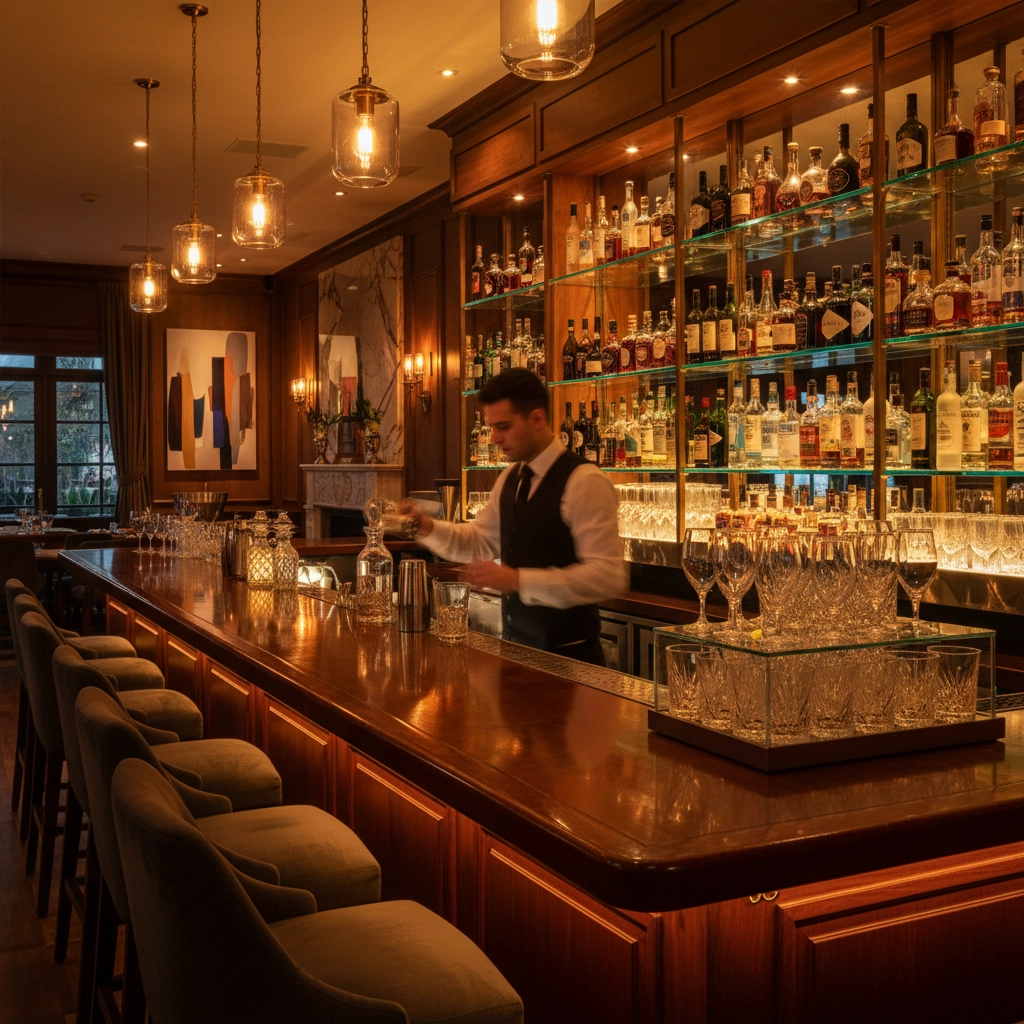
Restaurants serving alcoholic beverages face significantly higher liability exposure that many owners underestimate. Liquor liability coverage protects against claims arising from alcohol service, including over-serving incidents.
Dram shop liability creates substantial financial exposure when intoxicated customers cause harm to others. Restaurant owners without proper liquor liability coverage face potential personal asset exposure from these incidents.
Adding alcohol service to your restaurant operation fundamentally changes your risk profile. Family restaurants transitioning to full liquor licenses need specialized coverage that addresses this increased exposure.
Late-night alcohol service further amplifies liability risks. Restaurants operating past midnight with alcohol service require enhanced protection strategies that account for these elevated risk factors.
Neglecting Business Interruption Protection
Property insurance covers physical damage to your restaurant, but business interruption coverage protects against income loss during covered closure periods. Many restaurant owners overlook this essential protection component.
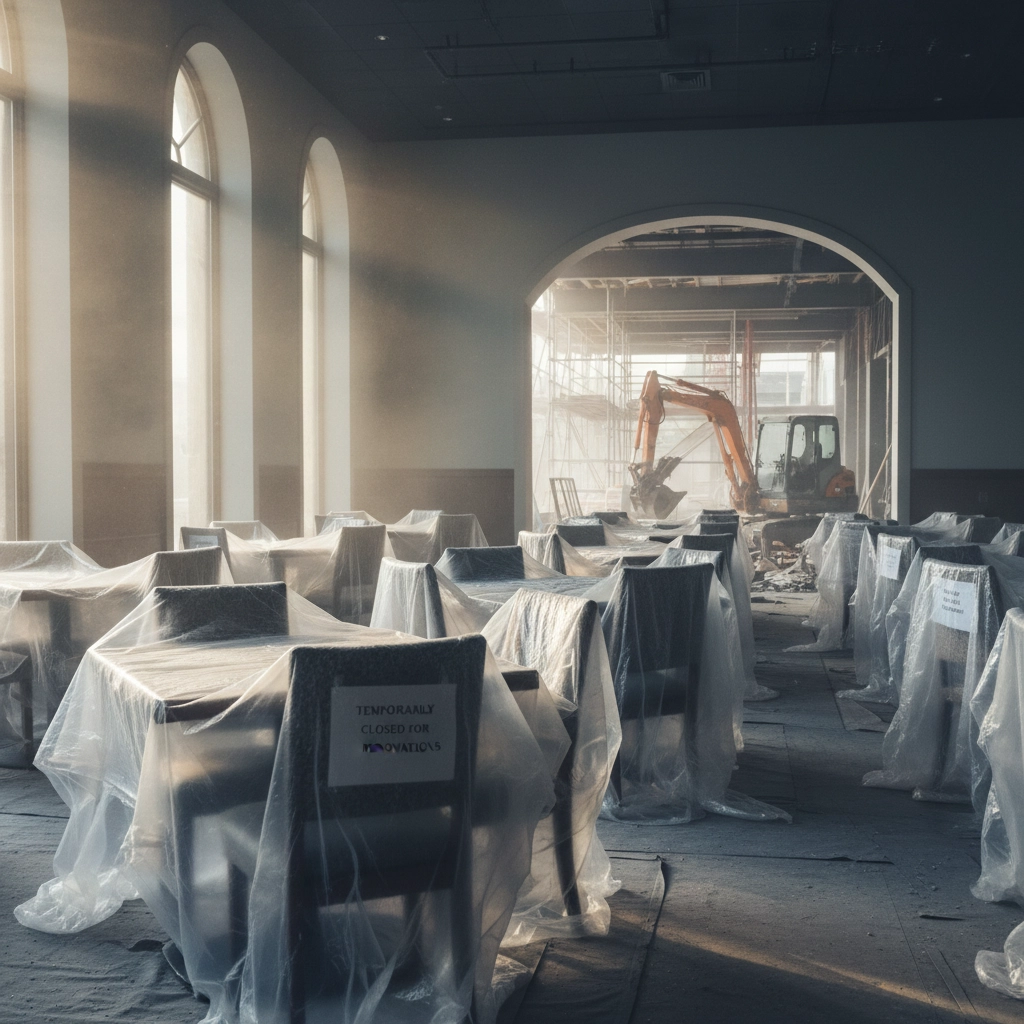
Florida restaurants face unique closure risks from hurricanes, tropical storms, and severe weather events. Equipment failures, fire damage, and other covered perils can force temporary closures that devastate cash flow without proper coverage.
Extended business interruption coverage protects against prolonged closure periods that extend beyond initial estimates. Civil authority coverage provides protection when government orders prevent restaurant access even without direct property damage.
Extra expense coverage helps maintain operations by covering additional costs incurred to minimize business interruption. These coverage components work together to provide comprehensive income protection during crisis periods.
Failing to Maintain Proper Documentation
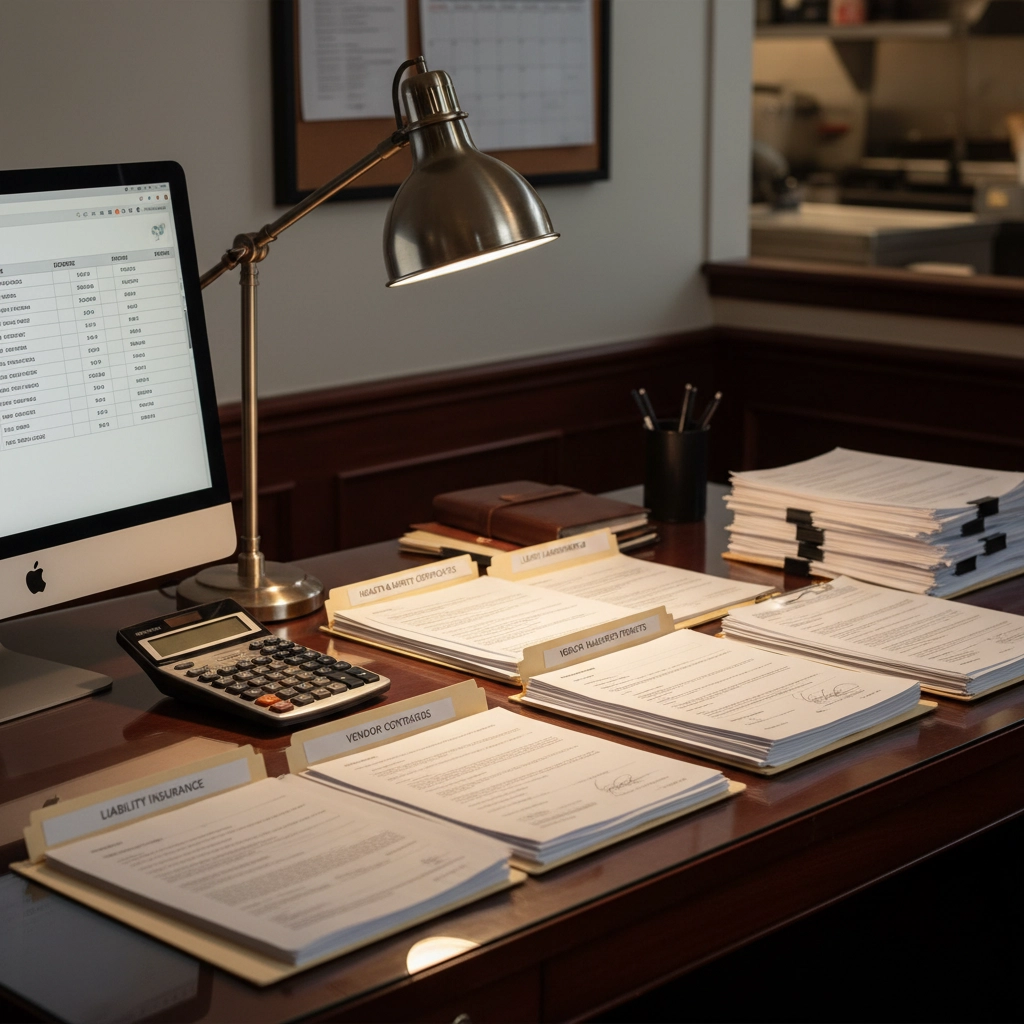
Insurance documentation requirements extend beyond simply purchasing coverage. Restaurant owners must maintain current certificates of insurance for landlords, vendors, and business partners.
Additional insured endorsements require careful tracking to ensure all required parties receive proper coverage extensions. Commercial leases often specify additional insured requirements that must be maintained throughout the lease term.
Waiver of subrogation endorsements prevent insurance companies from pursuing recovery against specific parties. These endorsements require proper documentation and annual renewal to remain effective.
Certificate holders need updated insurance certificates annually or when coverage changes occur. Missing or outdated certificates can create contract violations and coverage disputes.
Misunderstanding Lease Insurance Obligations
Commercial lease agreements contain specific insurance requirements that restaurant owners must fulfill. These obligations go beyond basic coverage and include detailed specifications for limits, endorsements, and documentation.
Lease-required insurance specifications are non-negotiable contract terms. Failure to maintain required coverage constitutes breach of lease and can result in eviction proceedings.
Primary and non-contributory language in lease agreements affects how your insurance responds to claims. Understanding these requirements helps ensure proper coverage alignment with lease obligations.
Named additional insured status for landlords requires specific endorsement language that varies by insurance company. Restaurant owners must verify that their coverage includes proper additional insured provisions.
Misclassifying Workers and Independent Contractors
Proper worker classification affects workers' compensation requirements and employment practices liability exposure. Misclassifying employees as independent contractors creates significant gaps in coverage and legal compliance.
Independent contractor relationships require specific documentation and contract structures. Improper classification can result in workers' compensation coverage gaps and employment law violations.
Delivery drivers, entertainment performers, and seasonal workers often present classification challenges. Each worker category requires careful evaluation to determine proper employment status and insurance implications.
Documentation supporting independent contractor classifications must be comprehensive and legally compliant. Inadequate documentation can result in reclassification and retroactive insurance premium assessments.
Underestimating Specialized Coverage Needs
Restaurant operations involve unique risks that standard business insurance policies may not fully address. Specialized coverage components protect against industry-specific exposures.
Food contamination coverage protects against losses from contaminated food products that require disposal or cause business interruption. This coverage extends beyond standard spoilage protection.
Equipment breakdown coverage protects against mechanical failures of refrigeration units, cooking equipment, and HVAC systems. These breakdowns can cause significant food spoilage and business interruption.
Cyber liability coverage protects against payment processing system breaches and customer data theft. Modern restaurant operations face increasing cyber security risks that require specialized protection.
Sign and glass coverage addresses the frequent replacement needs for storefront windows and exterior signage. These components face regular damage from weather, accidents, and vandalism.
Not Updating Coverage for Business Growth
Restaurant operations evolve over time, but insurance coverage often remains static. Expanding operations, adding locations, or changing service offerings require coverage adjustments.
New menu items, catering services, or delivery operations change your risk profile and may require coverage enhancements. Insurance policies must adapt to reflect these operational changes.
Increased revenue and asset values require higher coverage limits to maintain adequate protection. Annual insurance reviews help identify areas where coverage should be increased.
Additional locations require separate coverage considerations and may qualify for package discounts. Multi-location restaurant operators need comprehensive programs that address all business locations.
Ignoring Employment Practices Liability Risks
Restaurant operations involve significant employment practices liability exposure from discrimination, harassment, and wrongful termination allegations. Many restaurant owners lack adequate protection against these risks.
Employment Practices Liability Insurance (EPLI) protects against employee lawsuits alleging workplace violations. This coverage includes defense costs and settlement expenses for covered claims.
High employee turnover rates in the restaurant industry increase exposure to wrongful termination claims. Proper hiring, training, and documentation practices help reduce these risks.
Wage and hour disputes frequently affect restaurant businesses due to complex overtime regulations and tip reporting requirements. EPLI coverage helps protect against these specialized employment law exposures.
Overlooking State-Specific Insurance Considerations
Florida restaurants face unique operational risks that require specialized insurance considerations. Hurricane exposure, wind damage, and flood risks affect restaurant operations throughout the state.
Building code requirements in Florida often require extensive upgrades when repairing storm-damaged properties. Ordinance and law coverage helps pay for these mandatory upgrades during reconstruction.
Slip and fall liability exposure remains elevated in Florida due to frequent rain, high humidity, and tourist traffic patterns. Adequate general liability limits help protect against these common claims.
Food service licensing requirements and health department regulations create additional compliance obligations. Proper insurance documentation supports licensing renewal and regulatory compliance efforts.
Building Comprehensive Restaurant Protection
Successful restaurant insurance programs combine multiple coverage components into comprehensive protection strategies. Working with experienced commercial insurance professionals helps identify coverage gaps and ensure adequate protection.
Insurance Alliance LLC specializes in restaurant insurance solutions for businesses throughout Florida, Texas, Arizona, Idaho, and Washington. Our experienced team understands the unique challenges facing restaurant operators and provides tailored coverage recommendations.
Contact Insurance Alliance LLC to review your current restaurant insurance program and identify potential coverage gaps. Proper insurance planning protects your investment and supports long-term business success.
Comments