
Are You Making These 7 Common Restaurant Insurance Mistakes in 2025? (And How Much They're Costing You)
- marketing676641
- Jan 7
- 4 min read
Restaurant owners face unique insurance challenges that require specialized coverage solutions. Many establishments operate with significant protection gaps that leave them vulnerable to financial losses. Understanding common insurance mistakes helps restaurant owners secure comprehensive coverage that protects their business operations.
Mistake #1: Underestimating Property Coverage Needs
Restaurant owners frequently underinsure their property by focusing on purchase values rather than replacement costs. This approach creates dangerous coverage gaps when disasters strike.
Property insurance policies often include coinsurance clauses that penalize underinsured properties. When property values fall below required coverage percentages, insurers reduce claim payments proportionally. Restaurant owners become responsible for substantial out-of-pocket expenses during recovery.
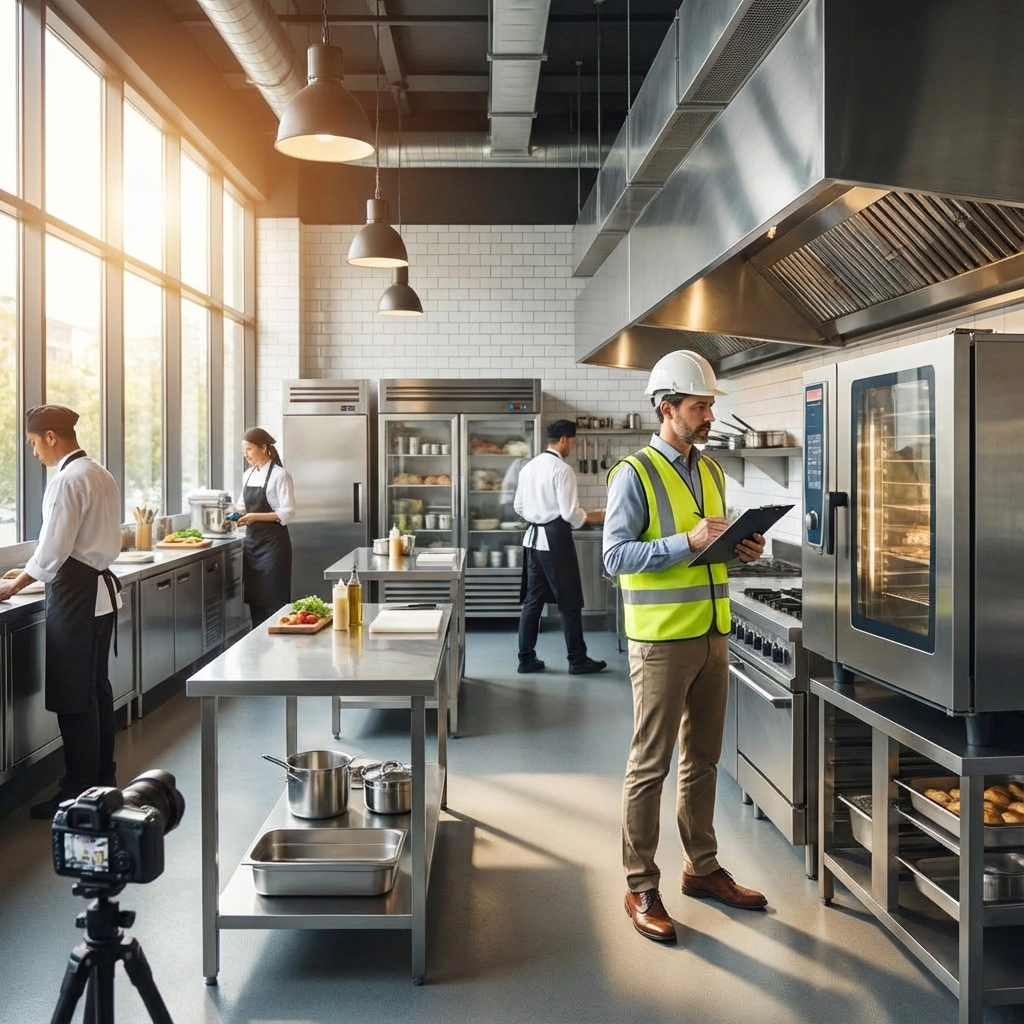
Fix this mistake by conducting annual property valuations reflecting current replacement costs. Ensure coverage limits match actual replacement values for all business personal property, tenant improvements, and specialized equipment. Kitchen equipment, dining furniture, and point-of-sale systems require accurate valuations to maintain adequate protection.
Restaurant property valuations should account for equipment upgrades, menu expansions, and facility improvements. Regular assessments prevent coverage gaps that develop as business operations evolve.
Mistake #2: Insufficient General Liability Limits
Slip-and-fall incidents, food-related illnesses, and customer injuries generate substantial liability exposures. Restaurant environments present numerous hazards that require comprehensive general liability protection.
Without adequate limits, business owners become personally responsible for damages exceeding policy limits. Liability settlements can reach significant amounts depending on injury severity and circumstances.
Evaluate liability exposure based on restaurant size, customer volume, and service type. High-traffic establishments require higher coverage limits than smaller operations. Consider umbrella policies for additional protection beyond standard general liability limits.
General liability coverage protects against customer injuries, property damage claims, and personal injury lawsuits. Adequate limits provide essential protection for restaurant operations facing daily customer interactions.
Mistake #3: Overlooking Workers' Compensation Requirements
Many restaurant owners misunderstand which employees require workers' compensation coverage. Kitchen environments present numerous injury risks from burns, cuts, slips, and equipment accidents.
Workers' compensation requirements extend beyond full-time employees. Part-time staff, delivery drivers, and temporary workers often require coverage regardless of hours worked. Family members working in the business may also need protection.
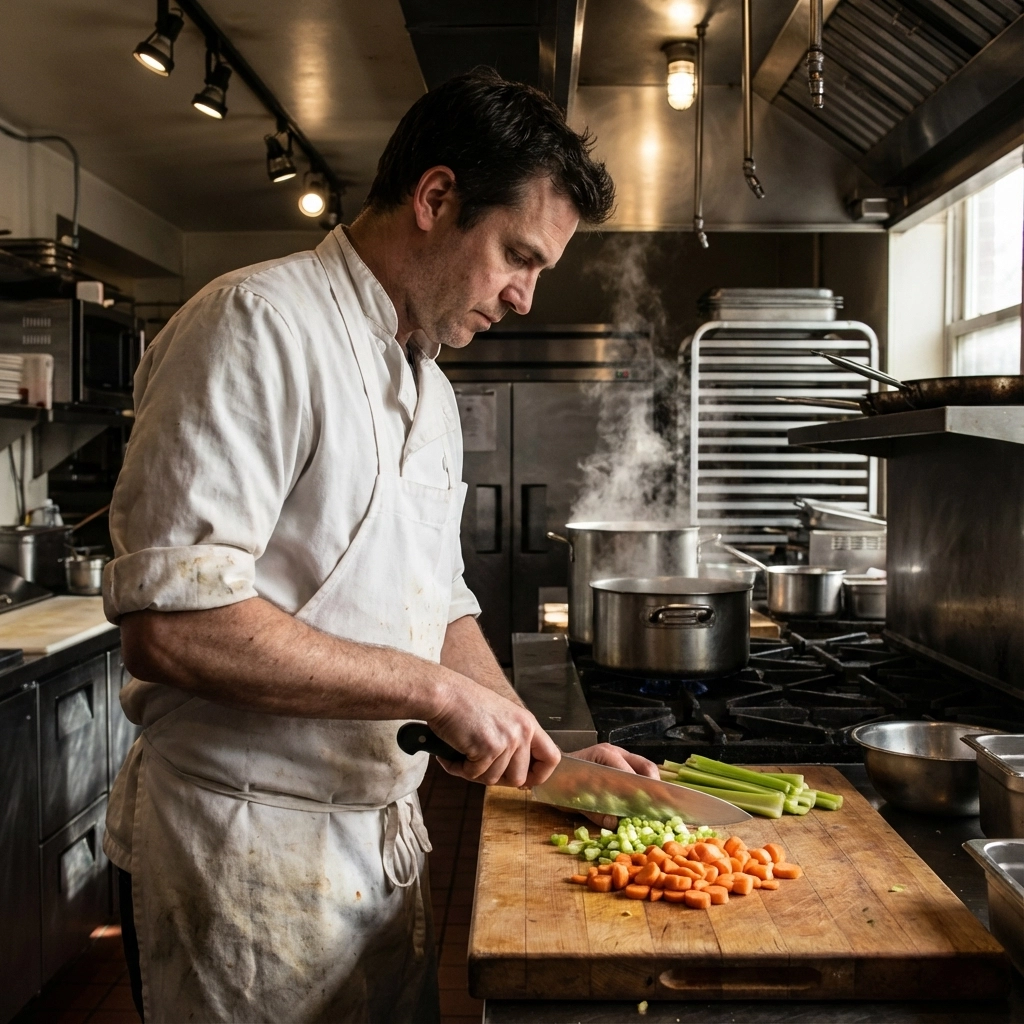
Verify that workers' compensation covers all employees including part-time staff, independent contractors where required, and temporary workers. Maintain accurate payroll records to ensure proper coverage calculations.
Kitchen operations involve sharp tools, hot surfaces, wet floors, and heavy equipment. Workers' compensation provides essential protection for employees facing these daily hazards while protecting business owners from workplace injury lawsuits.
Mistake #4: Inadequate Business Interruption Protection
Property insurance covers physical damage but does not address income loss during closures. Equipment failures, fire damage, or other covered perils can force temporary closures lasting weeks or months.
During closures, rent, payroll, loan payments, and other fixed expenses continue while revenue stops completely. Business interruption insurance replaces lost income and covers ongoing expenses during restoration periods.
Calculate monthly operating expenses and select business interruption limits that cover these expenses for extended periods. Consider seasonal revenue fluctuations and peak operating periods when determining appropriate coverage amounts.
Business interruption protection extends beyond property damage. Coverage can include extra expenses for temporary locations, equipment rentals, and expedited repairs to minimize closure duration.
Mistake #5: Missing Critical Coverage Extensions
Standard restaurant insurance policies exclude specialized risks that require additional coverage extensions. Equipment breakdown, spoilage coverage, and cyber liability protection address gaps in basic policies.
Refrigeration failures destroy thousands of dollars in perishable inventory within hours. Kitchen equipment breakdowns interrupt service and require immediate repairs. Power outages spoil food inventory and force temporary closures.
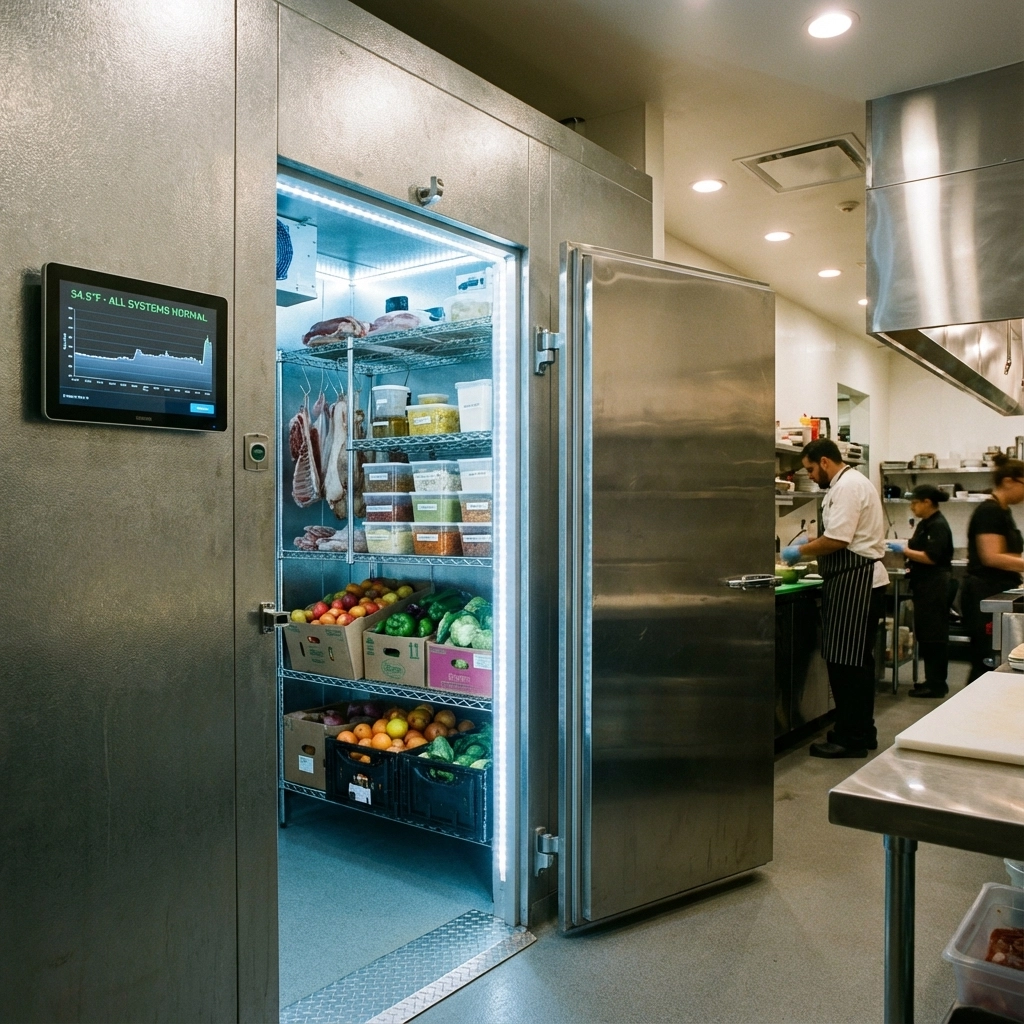
Add equipment breakdown coverage for refrigeration, cooking equipment, and HVAC systems. Include spoilage coverage for inventory loss from power outages, equipment failures, and contamination events.
Cyber liability insurance protects against data breaches, payment card compromises, and system security failures. Restaurant payment processing systems handle sensitive customer information requiring specialized cyber protection.
Consider additional extensions for outdoor equipment, signage, and seasonal property. Each extension addresses specific risks that standard policies exclude.
Mistake #6: Ignoring Liquor Liability Exposures
Establishments serving alcohol face significant liability from intoxicated patrons. Standard general liability policies typically exclude alcohol-related incidents, creating substantial coverage gaps.
Liquor liability protects against claims arising from serving alcohol to intoxicated customers. Coverage includes incidents occurring on and off premises involving customers who consumed alcohol at your establishment.
Restaurant owners serving alcoholic beverages require specialized liquor liability coverage. This protection extends beyond the premises to cover incidents involving intoxicated patrons after they leave.
Liquor liability coverage varies based on service type, hours of operation, and alcohol sales volume. Full-service restaurants, bars, and establishments with late-night service face higher exposures requiring comprehensive protection.
Training staff in responsible alcohol service reduces liability exposures but does not eliminate the need for proper insurance coverage. Liquor liability insurance provides essential protection for alcohol-serving establishments.
Mistake #7: Failing to Update Policies Regularly
Restaurant operations evolve through menu changes, equipment upgrades, and service expansions. Many owners allow policies to auto-renew without reviewing coverage adequacy.
Outdated policies may not reflect current property values, operational risks, or business activities. New equipment, menu offerings, and service types can create coverage gaps in existing policies.
Schedule annual policy reviews with your insurance provider. Update coverage when making significant operational changes, equipment purchases, or facility modifications.
Policy updates should reflect menu expansions, service delivery additions, catering operations, and facility improvements. Each operational change can affect insurance requirements and coverage needs.
Regular policy maintenance ensures coverage keeps pace with business growth and operational changes. Annual reviews identify gaps before they create exposure problems.
Protecting Your Restaurant Investment
Restaurant insurance requires specialized knowledge and comprehensive coverage solutions. Avoiding these common mistakes protects your business investment and operational continuity.
Work with insurance professionals who understand restaurant operations and specialized coverage needs. Proper insurance planning provides peace of mind and financial protection for your business.
Insurance Alliance LLC provides comprehensive restaurant insurance solutions tailored to your specific operational needs. Our expertise helps restaurant owners secure proper protection while avoiding common coverage mistakes.
Contact Insurance Alliance LLC to review your restaurant insurance coverage and identify potential gaps in protection. Professional guidance ensures your business maintains comprehensive insurance coverage that evolves with your operations.


Comments