
Are You Making These 5 Common Restaurant Cyber Insurance Mistakes in 2025?
- marketing676641
- Dec 19, 2025
- 5 min read
Restaurant operators face unprecedented cyber threats in 2025. Data breaches at major chains have compromised millions of customer records and employee information. Point-of-sale systems, online ordering platforms, and customer databases create multiple attack vectors for cybercriminals.
Despite these escalating risks, many restaurants remain unprepared for cyber incidents. Industry surveys reveal that 87% of restaurant operators lack adequate cyber liability insurance. This coverage gap exposes businesses to devastating financial losses from data breaches, ransomware attacks, and regulatory fines.
Restaurant owners often make critical mistakes when evaluating cyber insurance needs. These errors can result in denied claims, inadequate coverage, and unexpected out-of-pocket expenses during cyber incidents.
Mistake #1: Treating Cybersecurity as Only an IT Problem
Many restaurant operators view cybersecurity as a technical issue that belongs solely in the IT department. This approach creates dangerous gaps in incident response planning and insurance coordination.
Effective cyber risk management requires integration across multiple business functions. Legal teams must understand notification requirements and regulatory compliance obligations. Management needs to coordinate with insurance carriers and approved vendors during incidents.

Restaurants that treat cybersecurity as an isolated IT concern often lack comprehensive incident response plans. When breaches occur, these businesses struggle to meet insurance policy requirements and regulatory deadlines.
Successful cyber risk management involves cross-functional planning that includes IT security, legal compliance, insurance coordination, and business continuity. Restaurant operators should establish clear communication protocols and assign specific responsibilities to different team members.
Insurance carriers expect businesses to demonstrate coordinated response capabilities. Policies often require immediate notification and engagement with pre-approved forensic experts and legal counsel.
Mistake #2: Operating Without Cyber Liability Insurance
The majority of restaurant operators continue business operations without cyber liability insurance coverage. This decision exposes businesses to catastrophic financial risks that can exceed available cash reserves and credit facilities.
Modern restaurants depend heavily on digital systems for payment processing, online ordering, customer data management, and employee records. Each system creates potential exposure to cyber attacks and data breaches.
Cyber incidents generate multiple categories of expenses that general liability policies typically exclude. These costs include forensic investigation fees, legal expenses, regulatory fines, customer notification requirements, and business interruption losses.
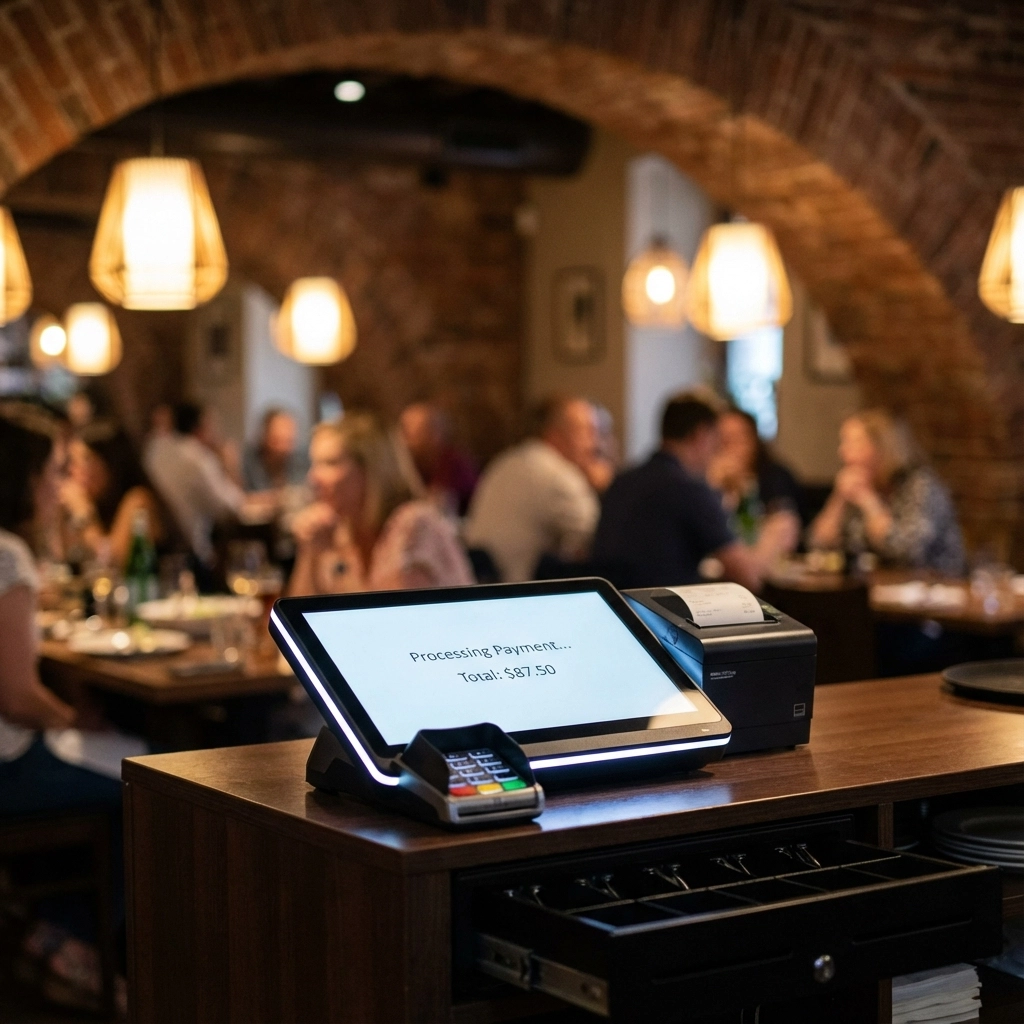
Restaurant operators often underestimate the scope of potential cyber losses. A single data breach can generate hundreds of thousands of dollars in immediate response costs, followed by ongoing expenses for credit monitoring services and legal settlements.
Cyber liability insurance provides essential coverage for data breach response, business interruption from system failures, ransomware incidents, and regulatory defense costs. Policies also include access to pre-approved vendors who specialize in cyber incident management.
Restaurant owners should evaluate cyber insurance as essential business protection rather than optional coverage. The cost of premiums represents a fraction of potential losses from major cyber incidents.
Mistake #3: Misunderstanding Policy Terms and Exclusions
Restaurant operators frequently purchase cyber insurance without thoroughly reviewing policy terms, coverage triggers, and exclusion clauses. This oversight can result in denied claims and unexpected coverage gaps during critical incidents.
Cyber insurance policies contain specific requirements for coverage activation. Many policies exclude incidents that result from unpatched software vulnerabilities or employee negligence. Others require immediate notification within strict timeframes or coverage becomes void.
Business interruption coverage often includes narrow definitions that may not align with restaurant operations. Some policies exclude losses from third-party system failures or require minimum downtime periods before coverage begins.
Policy exclusions frequently address employee dishonesty, intentional acts, and certain types of social engineering attacks. Restaurant operators must understand these limitations and evaluate additional coverage options where necessary.

Approved vendor requirements represent another common source of coverage complications. Many policies require businesses to use pre-approved forensic experts, legal counsel, and public relations firms. Using non-approved vendors can void coverage entirely.
Restaurant owners should work with insurance professionals to review policy language and understand coverage limitations before incidents occur. This preparation ensures compliance with policy requirements and maximizes available coverage.
Mistake #4: Neglecting Third-Party Vendor Risks
Restaurant operations rely extensively on third-party vendors for payment processing, online ordering platforms, reservation systems, and employee management software. Each vendor relationship creates potential cyber exposure that restaurant operators often overlook.
Vendor-related breaches can expose customer payment information, personal data, and proprietary business information. Restaurant operators may face liability for customer losses even when breaches originate from vendor systems.
Many restaurants fail to establish adequate contractual protections with technology vendors. Essential security requirements, audit rights, and indemnification provisions are frequently absent from vendor agreements.
Vendor risk management requires ongoing monitoring of security practices and compliance standards. Restaurant operators should require vendors to maintain specific insurance coverage and provide regular security assessments.
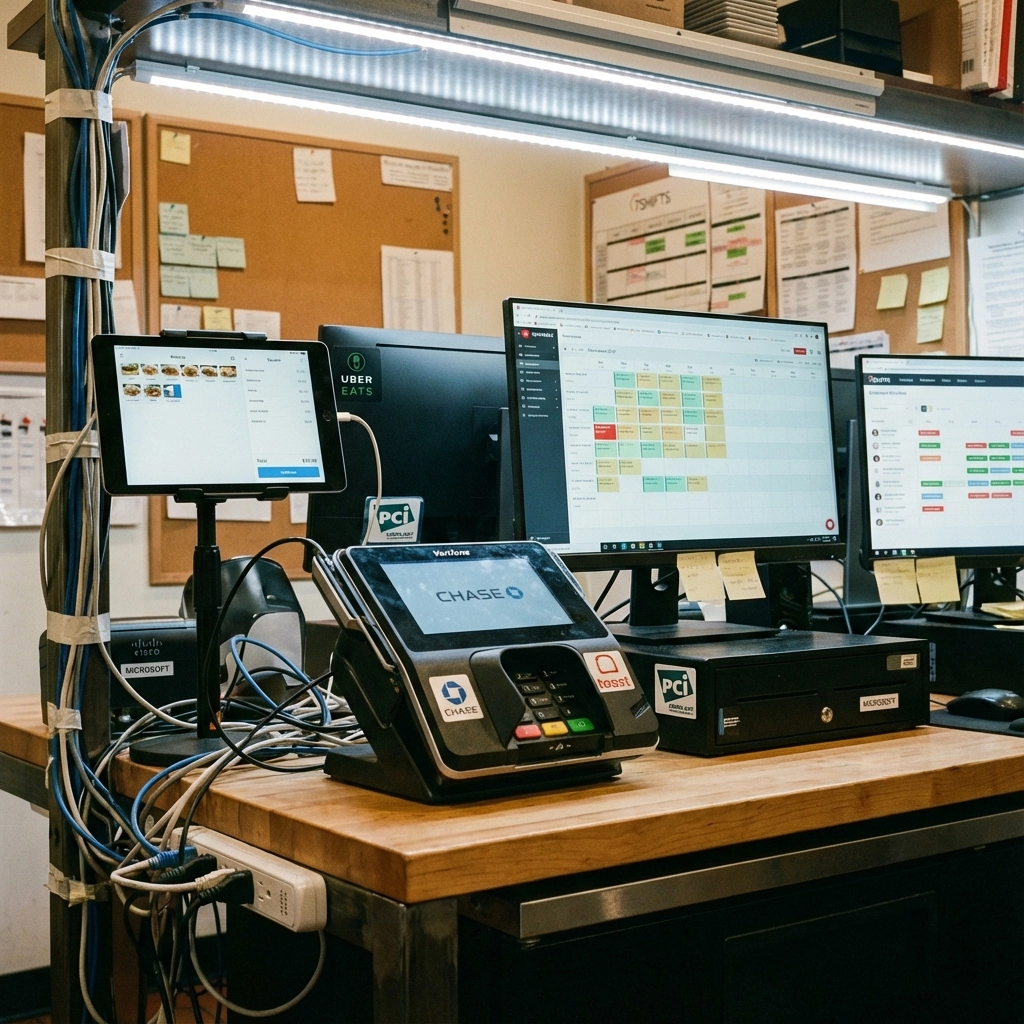
Payment Card Industry Data Security Standard (PCI-DSS) compliance represents a critical vendor management requirement. Non-compliant vendors can expose restaurants to significant fines and liability for payment card breaches.
Restaurant owners should implement vendor risk management programs that include security requirements, contract negotiations, and ongoing compliance monitoring. These programs reduce exposure and demonstrate due diligence to insurance carriers.
Mistake #5: Inadequate Pre-Incident Planning and Response
Most restaurants lack comprehensive incident response plans that address cyber threats and insurance requirements. This preparation gap can invalidate coverage and increase incident costs significantly.
Effective incident response requires immediate coordination with multiple stakeholders including insurance carriers, legal counsel, forensic experts, and regulatory agencies. Delays in notification or improper vendor selection can void coverage entirely.
Employee training represents a critical component of incident preparation. Restaurant staff must recognize social engineering attacks, phishing attempts, and suspicious system behavior. Proper training reduces incident likelihood and demonstrates due diligence to insurance carriers.
Documentation requirements for insurance claims and regulatory compliance often overwhelm unprepared businesses. Incident response plans should include specific documentation protocols and assign responsibility to trained personnel.
Communication planning addresses customer notification, media relations, and regulatory reporting. Restaurant operators must understand legal requirements and coordinate messaging with approved public relations professionals.
Insurance policies often include specific requirements for incident response procedures. Businesses must engage pre-approved vendors and follow established protocols to maintain coverage eligibility.
Taking Action: Essential Next Steps
Restaurant operators should immediately evaluate current cyber insurance coverage and incident response capabilities. This assessment identifies coverage gaps and preparation deficiencies that require attention.
Comprehensive vendor risk management programs reduce exposure and demonstrate insurance compliance. Restaurant owners should review existing vendor contracts and implement security requirements for future agreements.
Cross-functional incident response planning ensures coordinated response and insurance compliance. Plans should address notification procedures, vendor engagement, documentation requirements, and communication protocols.
Employee training programs reduce incident likelihood and support insurance requirements. Regular training sessions should address evolving threats and proper response procedures.
Insurance Alliance LLC provides comprehensive cyber liability insurance solutions designed specifically for restaurant operations. Our experienced team helps restaurant owners evaluate coverage needs, understand policy requirements, and develop effective risk management strategies.
Contact Insurance Alliance LLC today to review your cyber insurance coverage and ensure adequate protection for your restaurant business.
Comments