
Apartment Building Insurance Coverage: What Landlords Should Know
- marketing676641
- Nov 5, 2025
- 5 min read
Apartment building insurance provides specialized protection for landlords managing multifamily rental properties. This coverage addresses the unique risks associated with housing multiple tenants under one roof, protecting both the physical structure and your business operations. Understanding the components of apartment building insurance helps landlords in Florida, Texas, Arizona, Idaho, and Washington make informed decisions about their property protection needs.
Core Coverage Components
Apartment building insurance differs significantly from standard homeowners insurance or basic landlord policies. The coverage addresses commercial-level risks associated with multifamily properties, typically covering buildings with five or more rental units. Property owners need comprehensive protection that extends beyond individual unit coverage to include common areas, shared amenities, and complex liability exposures.
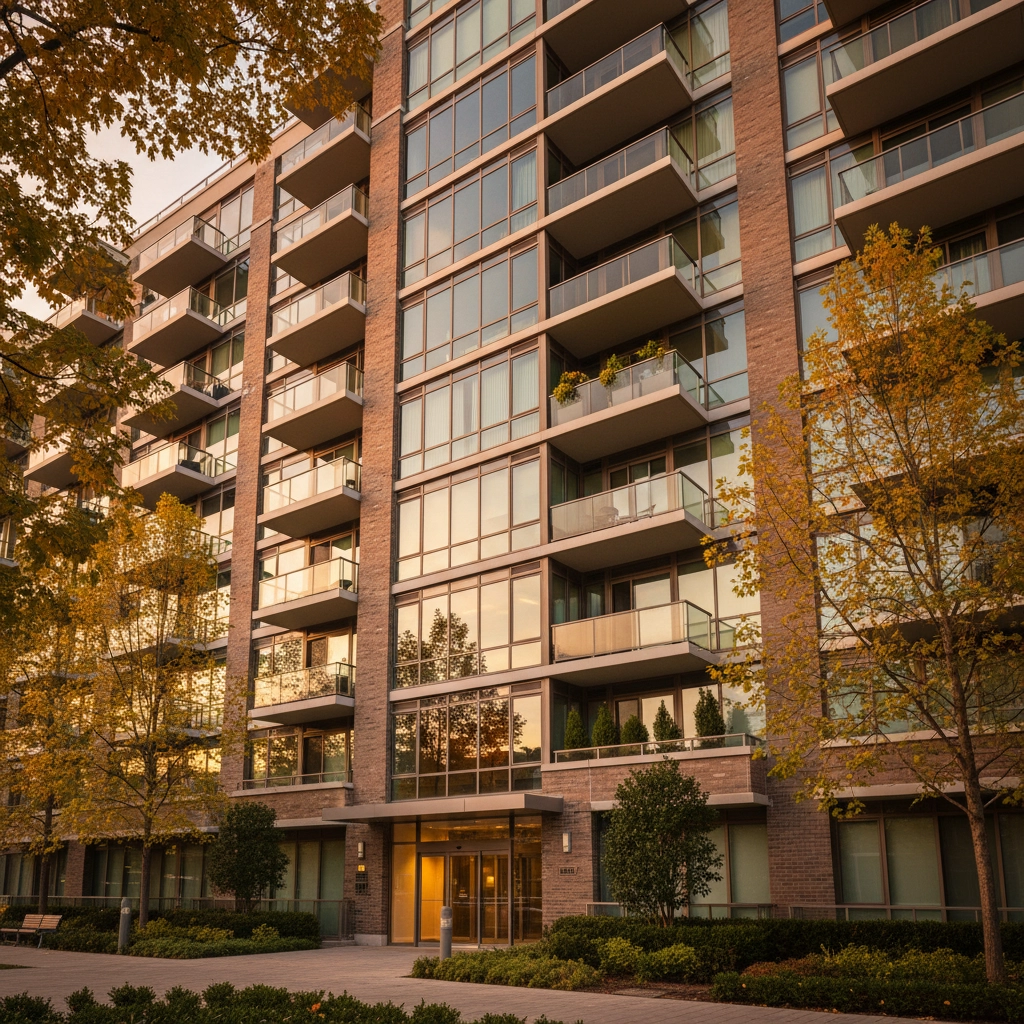
The foundation of apartment building insurance includes property coverage for the physical structure, liability protection for third-party claims, and business interruption coverage for lost rental income. Additional coverage options address specific risks that apartment building owners face, from tenant-related damages to natural disasters affecting the entire property.
Property Coverage Protection
Physical structure coverage protects the building itself, including the roof, walls, foundation, and permanently installed fixtures. This coverage extends to attached structures such as covered parking areas, storage facilities, and maintenance buildings. Property coverage also includes common areas that tenants share, including lobbies, hallways, stairwells, laundry facilities, and recreational spaces.
The coverage typically protects against fire damage, wind and hail damage, lightning strikes, vandalism, and theft. Water damage from burst pipes or roof leaks falls under standard property coverage, though specific exclusions may apply. Property coverage also includes coverage for landlord-owned appliances and equipment within individual units, such as HVAC systems, water heaters, and built-in appliances.
Building systems coverage protects essential infrastructure including electrical systems, plumbing, heating and cooling equipment, and elevators. This coverage helps ensure that mechanical failures or damage to these systems receive proper repair or replacement, maintaining habitability for all tenants.
Liability Protection for Multifamily Properties
General liability coverage protects apartment building owners from third-party claims arising from accidents or injuries on the property. This protection extends to tenants, visitors, contractors, and delivery personnel who may suffer injuries while on the premises. Common liability claims include slip-and-fall accidents in common areas, injuries from defective handrails or stairs, and accidents in parking areas or recreational facilities.
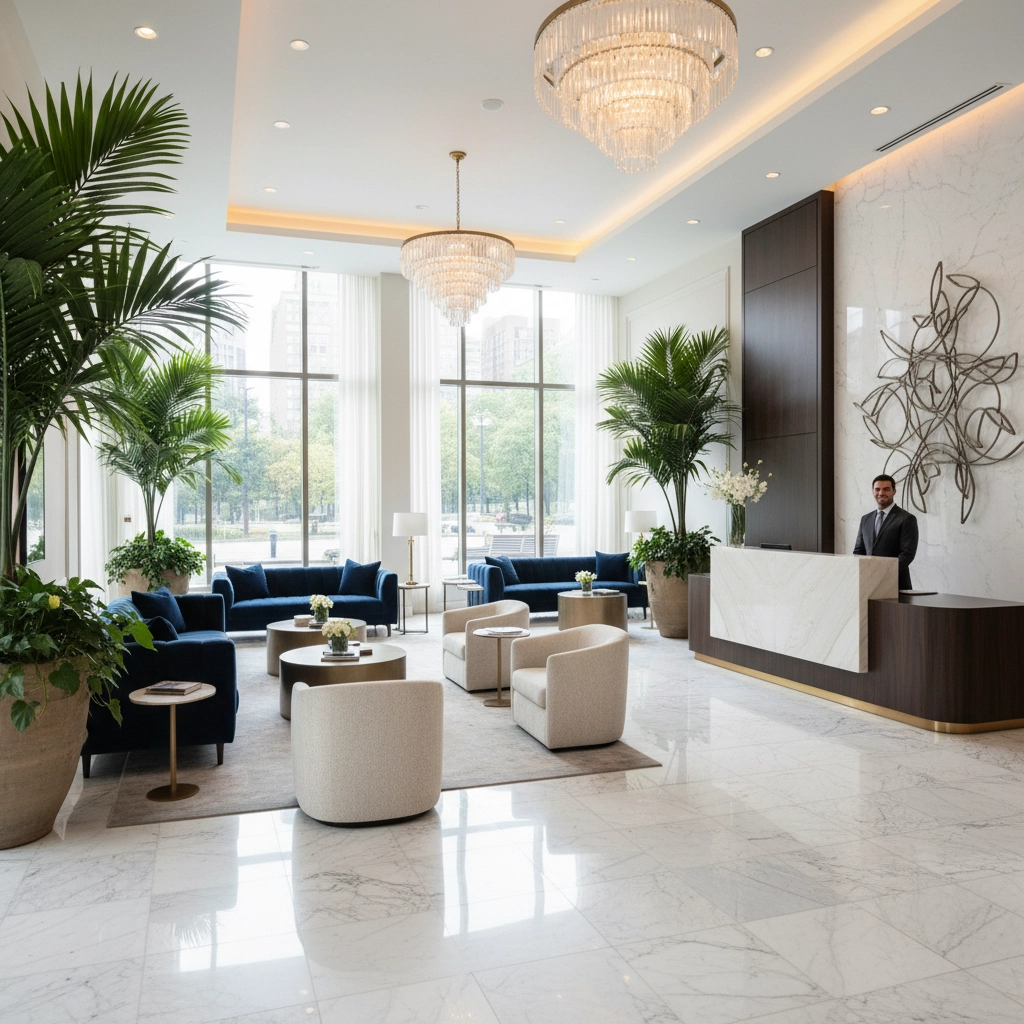
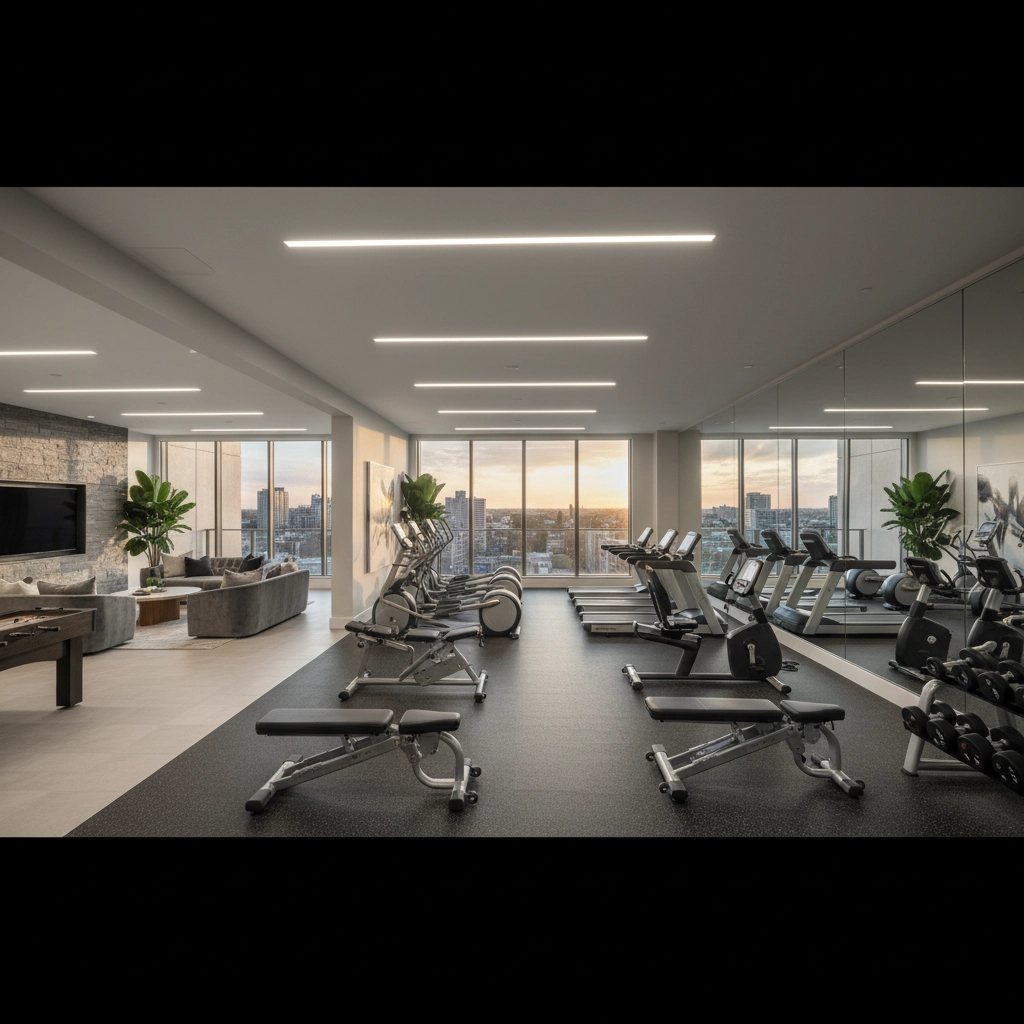
Product liability coverage addresses situations where landlord-provided items or amenities cause injury or damage. This includes playground equipment, fitness facilities, swimming pools, and common area furniture. Professional liability protection covers situations where property management decisions or actions result in tenant disputes or legal challenges.
Premises liability coverage protects against claims related to property maintenance issues, security concerns, or environmental hazards. This coverage becomes particularly important for apartment buildings where multiple families depend on shared systems and common areas for their daily activities.
Additional Coverage Options
Business interruption coverage provides protection when your apartment building becomes uninhabitable due to covered damages. This coverage helps replace lost rental income during repair periods, ensuring continuous cash flow even when units cannot generate revenue. The coverage typically includes additional living expenses for displaced tenants when required by lease agreements.
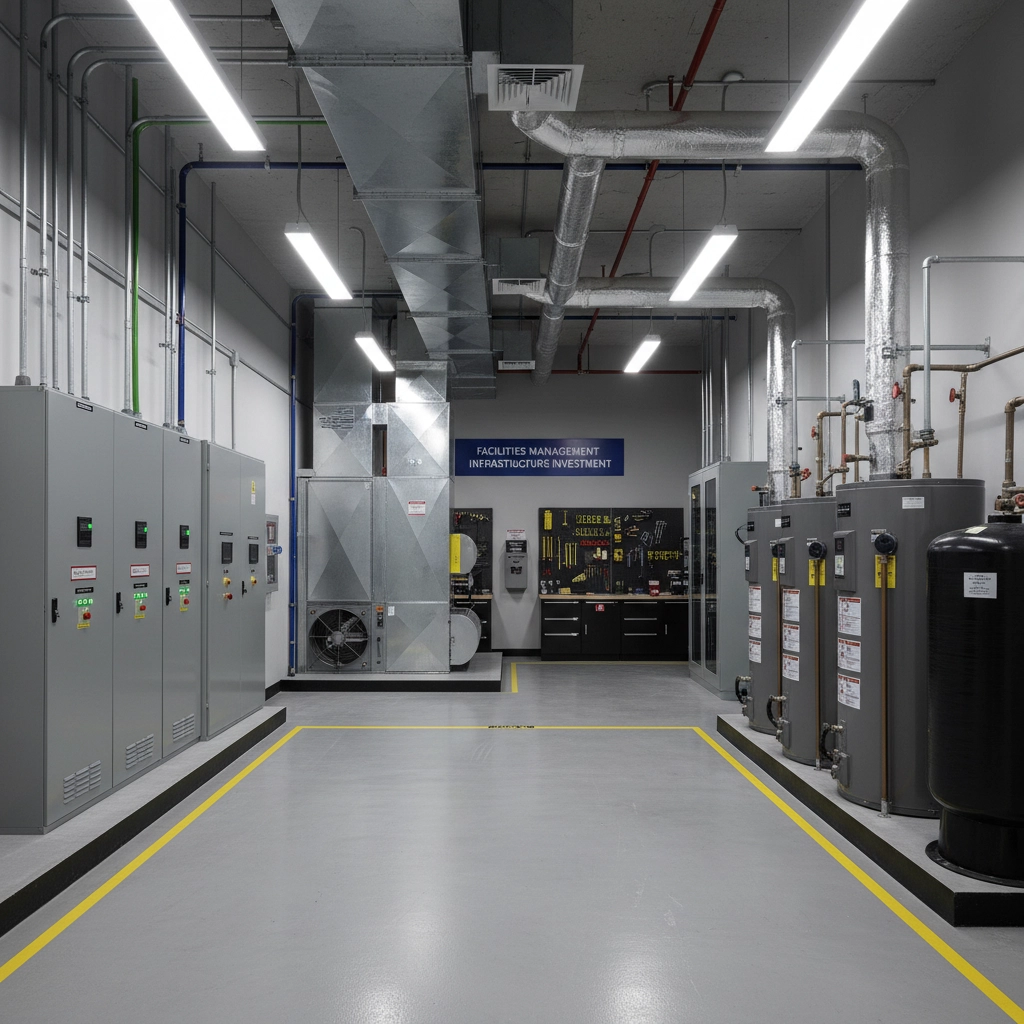
Equipment breakdown coverage protects against mechanical failures of essential building systems. Boilers, elevators, HVAC systems, and electrical panels receive coverage when they break down due to mechanical or electrical failures. This coverage helps avoid significant out-of-pocket expenses for major system replacements.
Ordinance and law coverage addresses situations where building codes change between the time of construction and the time of loss. When repairs require upgrades to meet current building standards, this coverage helps bridge the gap between standard reconstruction coverage and the actual expenses of code-compliant repairs.
Loss of rents coverage provides protection when individual units become uninhabitable due to covered losses, even if the entire building remains operational. This coverage helps maintain income stability when specific units require extensive repairs or tenant displacement.
Managing Tenant-Related Risks
Tenant screening and lease enforcement play crucial roles in risk management for apartment building owners. Proper documentation of move-in and move-out conditions helps distinguish between normal wear and tear versus tenant-caused damages. Security deposits provide initial protection, but insurance coverage addresses damages that exceed deposit amounts.
Tenant liability issues require careful consideration in apartment buildings. While tenants carry renters insurance for their personal belongings, landlord insurance provides protection when tenant actions affect other units or common areas. Water damage from tenant negligence, fire damage spreading to adjacent units, and accidents caused by tenant modifications to their units require landlord insurance protection.
Property management practices directly impact insurance claims and coverage effectiveness. Regular maintenance inspections, prompt response to tenant concerns, and proper documentation of all incidents help support insurance claims when they occur. Establishing clear policies for tenant improvements, guest policies, and common area usage helps minimize liability exposures.
Natural Disaster Considerations
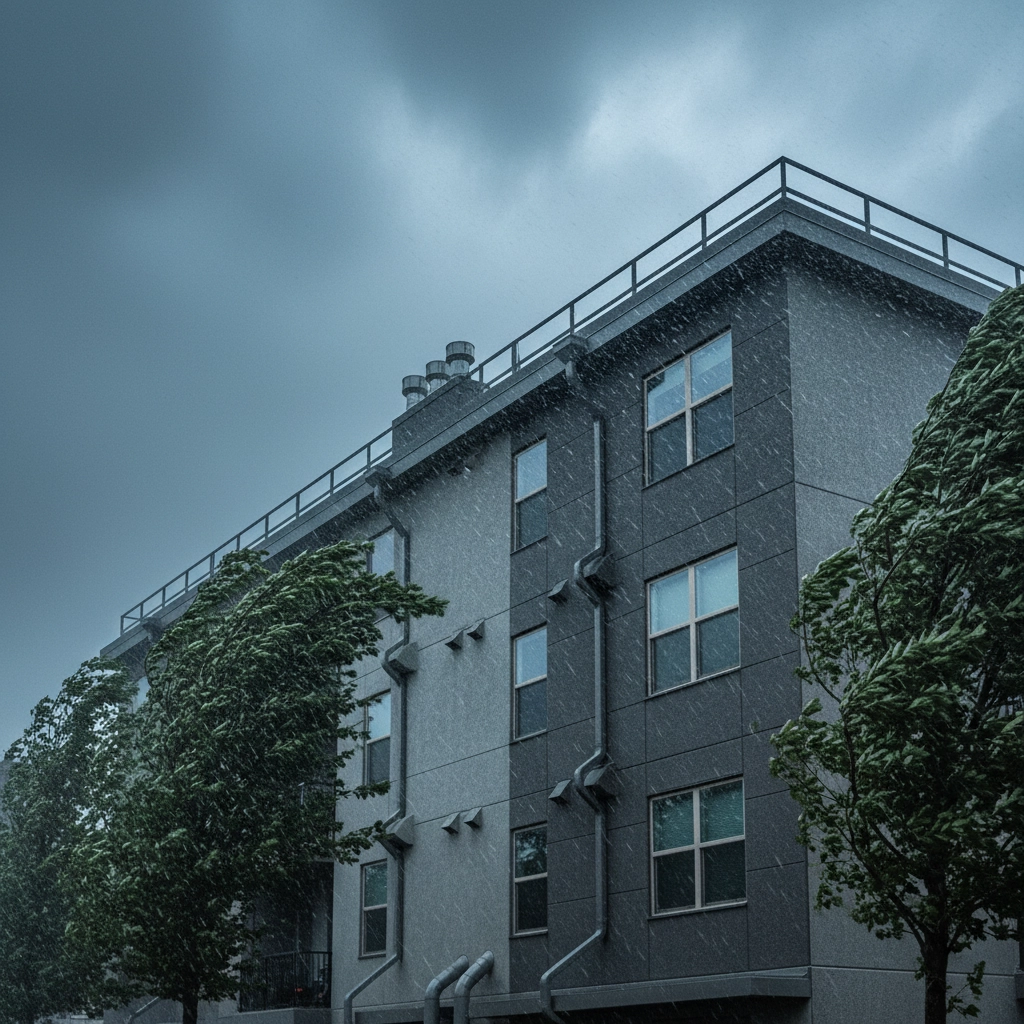
Apartment building owners across Florida, Texas, Arizona, Idaho, and Washington face different natural disaster risks requiring specialized coverage considerations. Wind and hail damage coverage addresses storm-related damages common in many regions, while earthquake coverage provides protection in seismically active areas.
Flood insurance requires separate coverage through the National Flood Insurance Program or private flood insurance carriers. Apartment buildings in flood-prone areas need adequate flood coverage to protect both the structure and business operations. Coverage limits and waiting periods for flood insurance make advance planning essential for proper protection.
Wildfire coverage has become increasingly important for apartment building owners in areas with elevated fire risk. This coverage addresses not only direct fire damage but also smoke damage, evacuation expenses, and business interruption from nearby fires affecting access to the property.
Working with Insurance Professionals
Apartment building insurance requires careful evaluation of coverage limits, deductibles, and policy terms specific to multifamily properties. Insurance professionals help apartment building owners identify coverage gaps and ensure adequate protection for their specific property characteristics and risk exposures.
Regular insurance reviews help apartment building owners adapt their coverage to changing property values, improvements, and risk factors. Annual policy reviews ensure that coverage limits remain adequate and that new coverage options address emerging risks in the apartment building industry.
Insurance Alliance LLC provides specialized apartment building insurance guidance for property owners in Florida, Texas, Arizona, Idaho, and Washington. Our experience with multifamily property risks helps landlords secure comprehensive protection tailored to their specific needs and property characteristics.
Compliance and Documentation Requirements
Apartment building owners must maintain detailed records of property improvements, maintenance activities, and insurance claims to support coverage when needed. Documentation requirements extend beyond basic policy compliance to include tenant communications, incident reports, and regular property inspections.
Certificate of insurance requirements often apply when apartment building owners work with contractors, property management companies, or mortgage lenders. Understanding these requirements helps ensure proper coverage coordination and compliance with contractual obligations.
Local building codes and safety requirements impact insurance coverage and claims processing. Staying current with regulatory requirements helps apartment building owners maintain coverage eligibility and avoid complications during the claims process.
Contact Insurance Alliance LLC to discuss apartment building insurance options for your multifamily property. Our team provides personalized guidance for landlords seeking comprehensive protection in Florida, Texas, Arizona, Idaho, and Washington.

Comments