
7 Mistakes You're Making with Restaurant Workers Comp (and How to Fix Them Before Your Next Inspection)
- marketing676641
- Dec 2, 2025
- 5 min read
Restaurant workers' compensation requirements create compliance challenges that many business owners overlook until inspection time. Understanding common coverage mistakes helps protect your employees and maintain regulatory compliance across all operational areas.
Mistake 1: Operating Without Required Workers' Compensation Coverage
Many restaurant owners operate without proper workers' compensation insurance, creating significant legal and financial exposure. State regulations require most employers to maintain active coverage for all eligible employees.
How to Fix This Before Your Inspection:
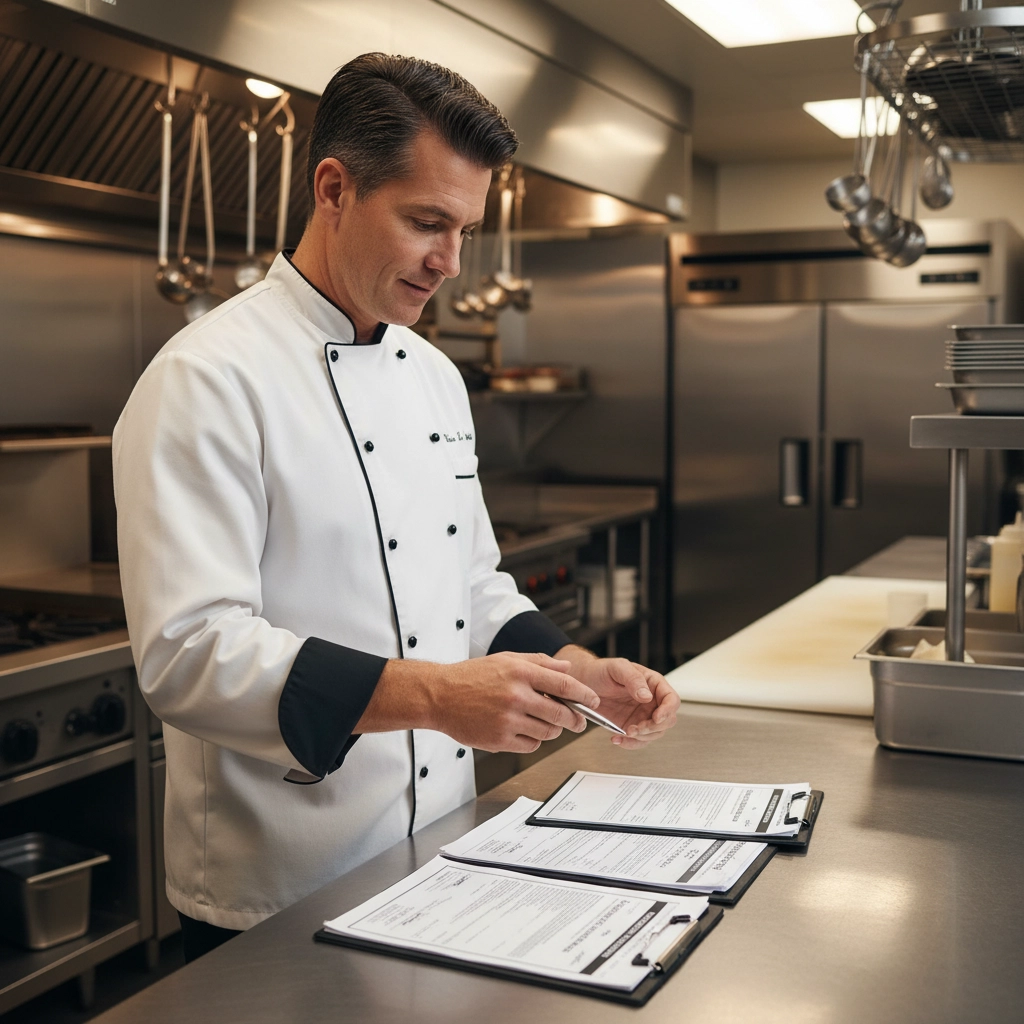
Verify your current coverage status immediately. Contact your insurance provider to confirm your policy remains active and covers all employees. Review your state's specific requirements for workers' compensation coverage. Document your coverage verification and maintain current certificates of insurance in your compliance files.
Establish clear procedures for reporting workplace injuries. Train management staff on proper incident reporting protocols. Create written documentation processes that comply with state reporting timeframes.
Mistake 2: Inaccurate Payroll Reporting and Classification
Workers' compensation premiums connect directly to reported payroll figures. Underestimating payroll creates audit discrepancies, while overestimating results in unnecessary premium payments. Restaurant payroll complexity increases this challenge significantly.
How to Fix This Before Your Inspection:
Implement accurate payroll tracking systems that capture all employee wages. Include full-time, part-time, and seasonal workers in your calculations. Document hourly wages, salary payments, and any additional compensation provided to employees.
Review your employee roster quarterly. Update payroll projections based on actual staffing levels and wage changes. Maintain detailed records of all payroll modifications and employee status changes.
Create separate tracking systems for different employee classifications. Ensure your insurance provider receives updated payroll information reflecting current staffing levels and compensation structures.
Mistake 3: Inadequate Safety Program Implementation
Restaurant environments present multiple workplace hazards that increase workers' compensation exposure. Sharp objects, wet surfaces, chemical handling, and lifting requirements create injury risks without proper safety protocols.
How to Fix This Before Your Inspection:
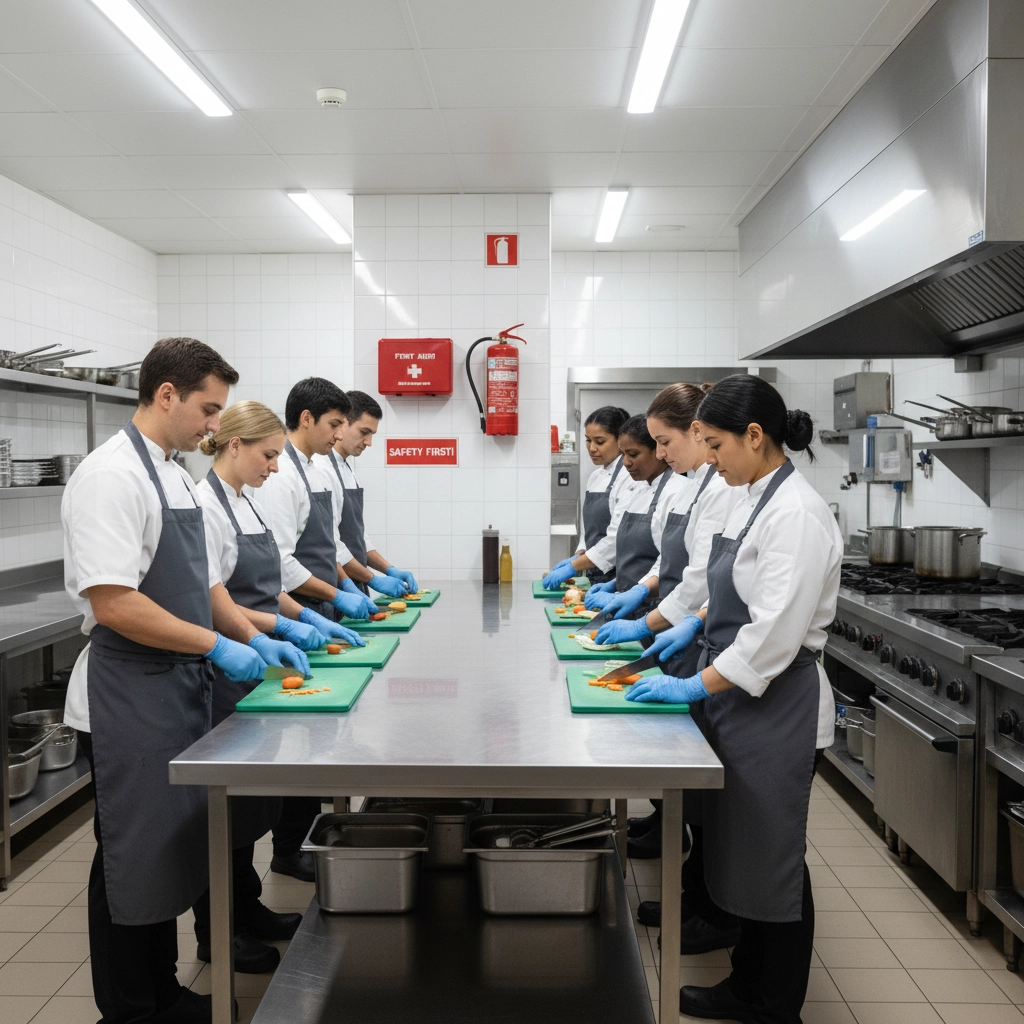
Develop comprehensive safety training programs for all employees. Cover proper knife handling techniques, chemical storage procedures, and lifting protocols. Document all safety training completion and maintain training records.
Install appropriate safety equipment throughout your facility. Provide cut-resistant gloves, non-slip footwear requirements, and proper lighting in work areas. Ensure emergency equipment remains accessible and functional.
Conduct regular safety audits of your kitchen and dining areas. Identify potential hazards and implement corrective measures immediately. Create written safety checklists and assign responsibility for ongoing safety monitoring.
Mistake 4: Excluding Family Members from Coverage Calculations
Independent restaurant operators frequently exclude family members from workers' compensation coverage calculations. This oversight creates coverage gaps when relatives work in restaurant operations without proper protection.
How to Fix This Before Your Inspection:
Identify all family members working in your restaurant operations. Review their job responsibilities and hours worked to determine coverage requirements. Include eligible family members in your workers' compensation policy calculations.
Verify your state's specific requirements for family member coverage. Some states mandate coverage for all working relatives, while others provide limited exceptions. Document your compliance with applicable family member coverage requirements.
Maintain employment records for all family members working in your restaurant. Include job descriptions, work schedules, and compensation arrangements in your documentation files.
Mistake 5: Improper Employee Classification
Misclassifying employees as independent contractors denies them workers' compensation protection while creating compliance violations. Restaurant workers who follow set schedules and perform core operational functions typically qualify as employees rather than contractors.
How to Fix This Before Your Inspection:
Review all worker classifications using established criteria. Employees who work scheduled shifts, receive direct supervision, and perform essential restaurant functions require employee classification and workers' compensation coverage.
Examine your hiring practices and employment agreements. Ensure contract language accurately reflects the working relationship and classification status. Update agreements that incorrectly classify employees as independent contractors.
Document the reasoning behind each worker classification. Maintain records showing how you determined employee versus contractor status for each individual working in your restaurant.

Mistake 6: Failing to Track Off-the-Clock Work
Employees who perform prep work, cleaning duties, or other tasks outside scheduled hours create compliance issues when this work goes unrecorded. Off-the-clock work affects workers' compensation coverage and wage compliance requirements.
How to Fix This Before Your Inspection:
Implement strict timekeeping procedures requiring employees to clock in before starting any work activities. Include prep time, cleaning duties, and closing procedures in recorded work hours.
Train managers to enforce consistent timekeeping practices. Ensure all work performed receives proper documentation regardless of timing or duration. Review time records regularly to identify unreported work hours.
Create written policies prohibiting off-the-clock work. Communicate these policies clearly to all employees and management staff. Establish consequences for violations and document policy enforcement actions.
Mistake 7: Neglecting Experience Modification Rating Management
Experience Modification Rating (EMR) affects workers' compensation premiums based on your restaurant's safety history and claims experience. Poor EMR management increases insurance costs and indicates safety program deficiencies.
How to Fix This Before Your Inspection:
Review your current EMR with your insurance provider. Understand how your safety record affects your rating and identify opportunities for improvement. Request detailed explanations of factors influencing your EMR calculation.
Implement loss prevention measures targeting common restaurant injuries. Focus safety efforts on areas that historically generate workers' compensation issues. Track safety improvements and document their impact on injury frequency.
Maintain comprehensive records of all workplace safety initiatives. Document training programs, equipment improvements, and policy changes that demonstrate commitment to employee safety and injury prevention.
Best Practices for Restaurant Workers' Compensation Compliance
Establish regular compliance reviews covering all workers' compensation requirements. Schedule quarterly assessments of coverage levels, employee classifications, and safety program effectiveness.
Create standardized documentation systems for all workers' compensation activities. Maintain organized files containing policy information, training records, safety documentation, and employee classification details.
Develop relationships with qualified insurance professionals who understand restaurant operations. Work with agents who specialize in restaurant coverage and can provide guidance on evolving compliance requirements.
Train management staff on workers' compensation responsibilities and procedures. Ensure supervisors understand their roles in maintaining compliance, reporting incidents, and supporting safety initiatives.
Preparing for Workers' Compensation Inspections
Organize all required documentation before inspection visits. Prepare policy certificates, payroll records, safety training documentation, and employee classification files for easy access.
Review your safety program implementation and document recent improvements. Prepare evidence showing ongoing commitment to workplace safety and employee protection.
Ensure all managers understand inspection procedures and can answer questions about your workers' compensation program. Designate specific individuals to handle inspector communications and document requests.
Verify that your current coverage levels match your actual operations and staffing levels. Update coverage as needed to reflect recent business changes or expansion activities.
Restaurant workers' compensation compliance requires ongoing attention to coverage requirements, safety implementation, and proper employee classification. Addressing these common mistakes before your inspection demonstrates commitment to employee protection while maintaining regulatory compliance. Insurance Alliance LLC provides specialized guidance for restaurant owners navigating workers' compensation requirements across Florida, Texas, Arizona, Idaho, and Washington.
Comments