
7 Mistakes You're Making with Restaurant Insurance (and How to Fix Them Before 2025)
Restaurant owners face unique insurance challenges that can leave their businesses vulnerable to significant financial losses. Many establishments operate with critical coverage gaps or misunderstand their existing policies. These mistakes become costly when incidents occur and proper protection isn't in place.
Understanding these common insurance errors helps restaurant owners secure comprehensive coverage that protects their investment. Each mistake represents a potential exposure that could threaten business operations or financial stability.
Mistake 1: Underestimating Property Coverage Needs
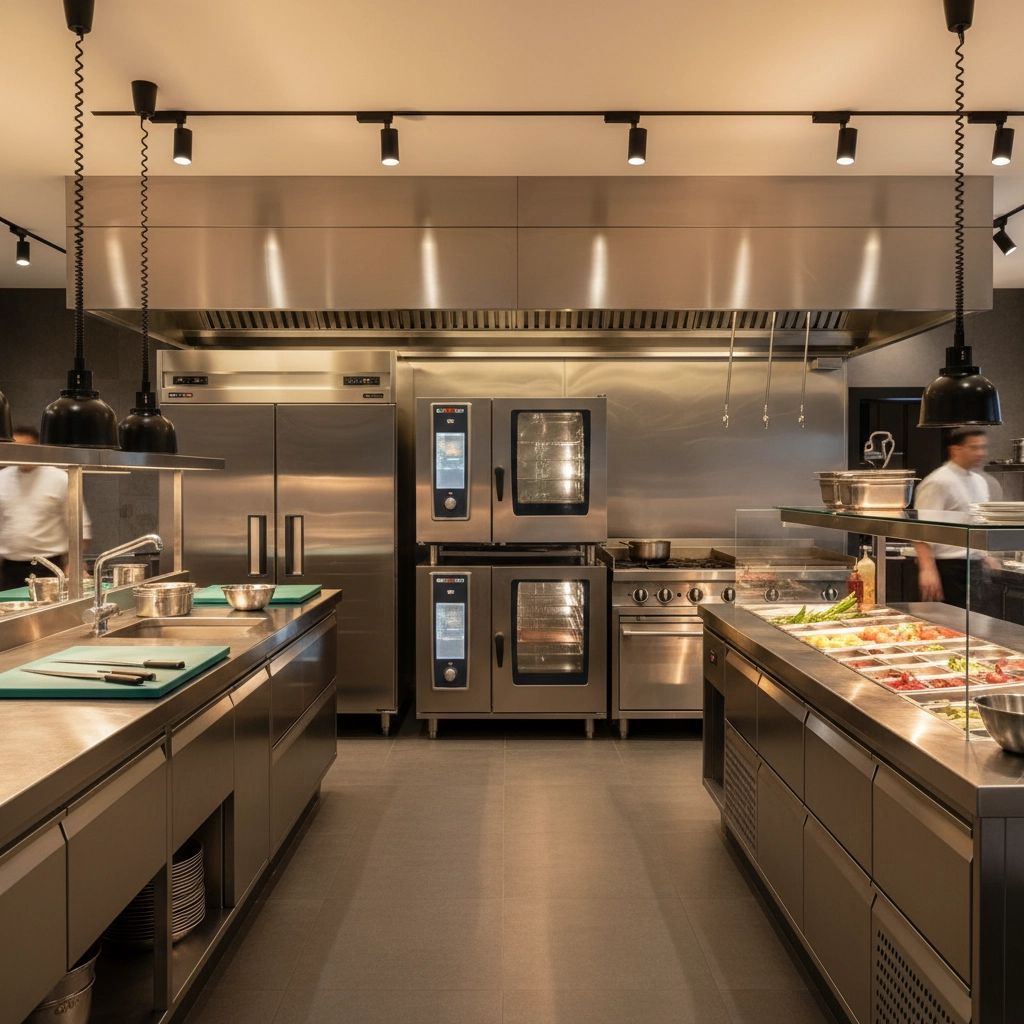
Restaurant owners frequently underinsure their property by focusing only on the building's purchase value rather than replacement costs. Kitchen equipment, furniture, fixtures, and specialized restaurant systems require significant investment to replace at current market values.
Many policies include coinsurance clauses that penalize underinsured properties. When property values fall below required coverage percentages, insurers reduce claim payments proportionally. This leaves owners responsible for substantial out-of-pocket expenses during recovery.
How to Fix It: Conduct annual property valuations that reflect current replacement costs. Include all business personal property, tenant improvements, and specialized equipment. Work with your insurance provider to ensure coverage limits match actual replacement values. Update coverage when adding new equipment or completing renovations.
Mistake 2: Insufficient General Liability Limits
General liability insurance protects against customer injuries, property damage claims, and advertising injury lawsuits. Restaurant owners often select minimum coverage limits without considering their actual exposure levels.
Slip-and-fall incidents, food poisoning claims, and liquor-related accidents can generate substantial liability settlements. Insufficient coverage leaves business owners personally responsible for damages exceeding policy limits.
How to Fix It: Evaluate liability exposure based on your restaurant's size, customer volume, and service type. Consider umbrella policies for additional protection beyond standard limits. Review coverage annually as business operations expand or change.
Mistake 3: Overlooking Workers' Compensation Requirements
Many restaurant owners misunderstand workers' compensation requirements, particularly regarding part-time employees, independent contractors, and family members. Coverage gaps expose businesses to significant liability when workplace injuries occur.
Kitchen environments present numerous injury risks from burns, cuts, slips, and equipment accidents. Without proper workers' compensation coverage, employers face potential lawsuits, medical expenses, and regulatory penalties.
How to Fix It: Verify workers' compensation requirements apply to all employees regardless of hours worked or employment status. Include delivery drivers, part-time staff, and temporary workers in coverage calculations. Maintain accurate payroll records and update coverage as staffing levels change.
Mistake 4: Inadequate Business Interruption Protection
Property insurance covers physical damage but doesn't address income loss during closure periods. Restaurant owners often overlook business interruption coverage or select insufficient limits that don't reflect actual operating expenses.
Equipment failures, fire damage, or other covered perils can force temporary closures lasting weeks or months. During these periods, rent, payroll, loan payments, and other fixed expenses continue while revenue stops completely.
How to Fix It: Calculate monthly operating expenses including rent, payroll, utilities, loan payments, and other fixed costs. Select business interruption limits that cover these expenses for extended periods. Consider coverage extensions for supply chain disruptions or civil authority orders that prevent access to your location.

Mistake 5: Missing Critical Coverage Extensions
Restaurant operations involve specialized risks that require specific coverage extensions. Equipment breakdown, spoilage coverage, and cyber liability protection address exposures not covered under standard policies.
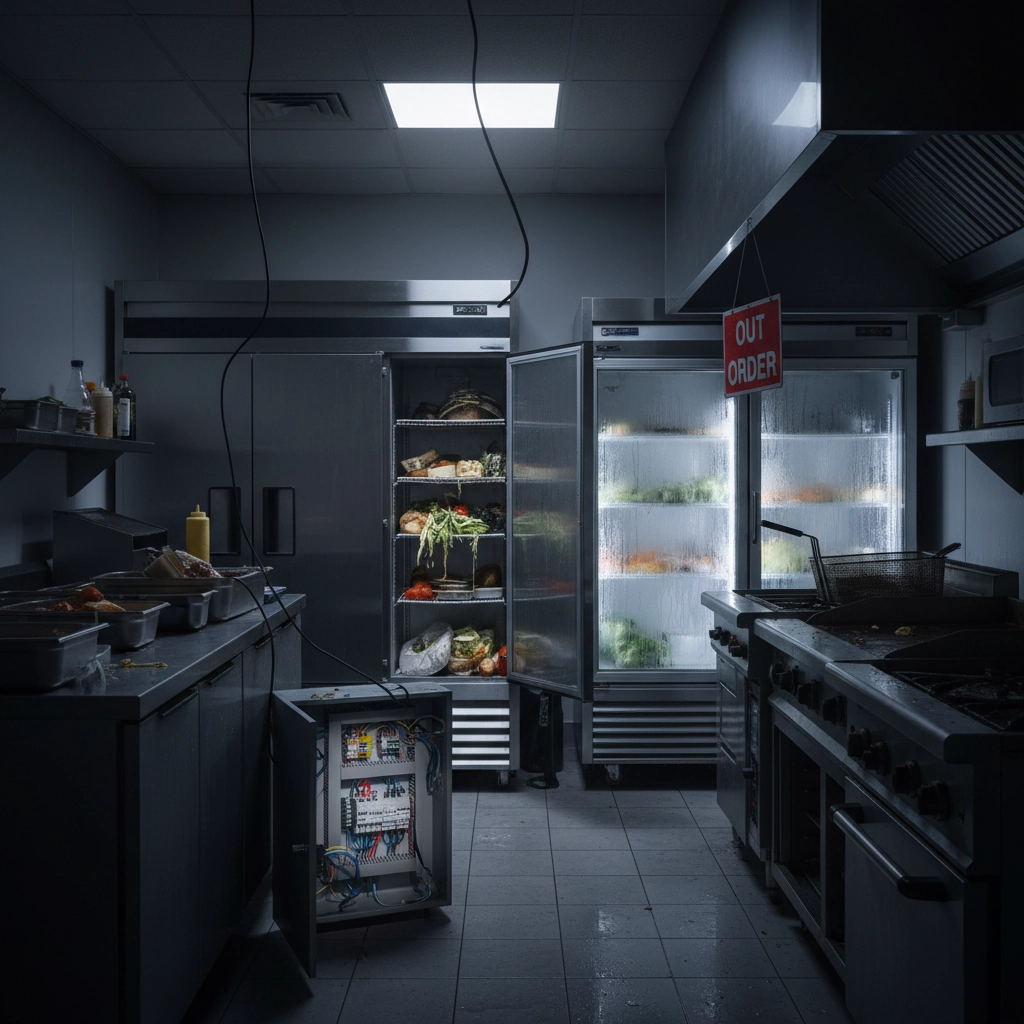
Refrigeration failures can destroy thousands of dollars in perishable inventory. Cyber attacks targeting payment systems can result in data breaches, regulatory fines, and business interruption. Power outages can spoil food inventory and force temporary closures.
How to Fix It: Add equipment breakdown coverage for refrigeration, cooking equipment, and HVAC systems. Include spoilage coverage for inventory loss due to power outages or equipment failures. Consider cyber liability insurance for payment card data protection and system restoration costs.
Mistake 6: Ignoring Liquor Liability Exposures
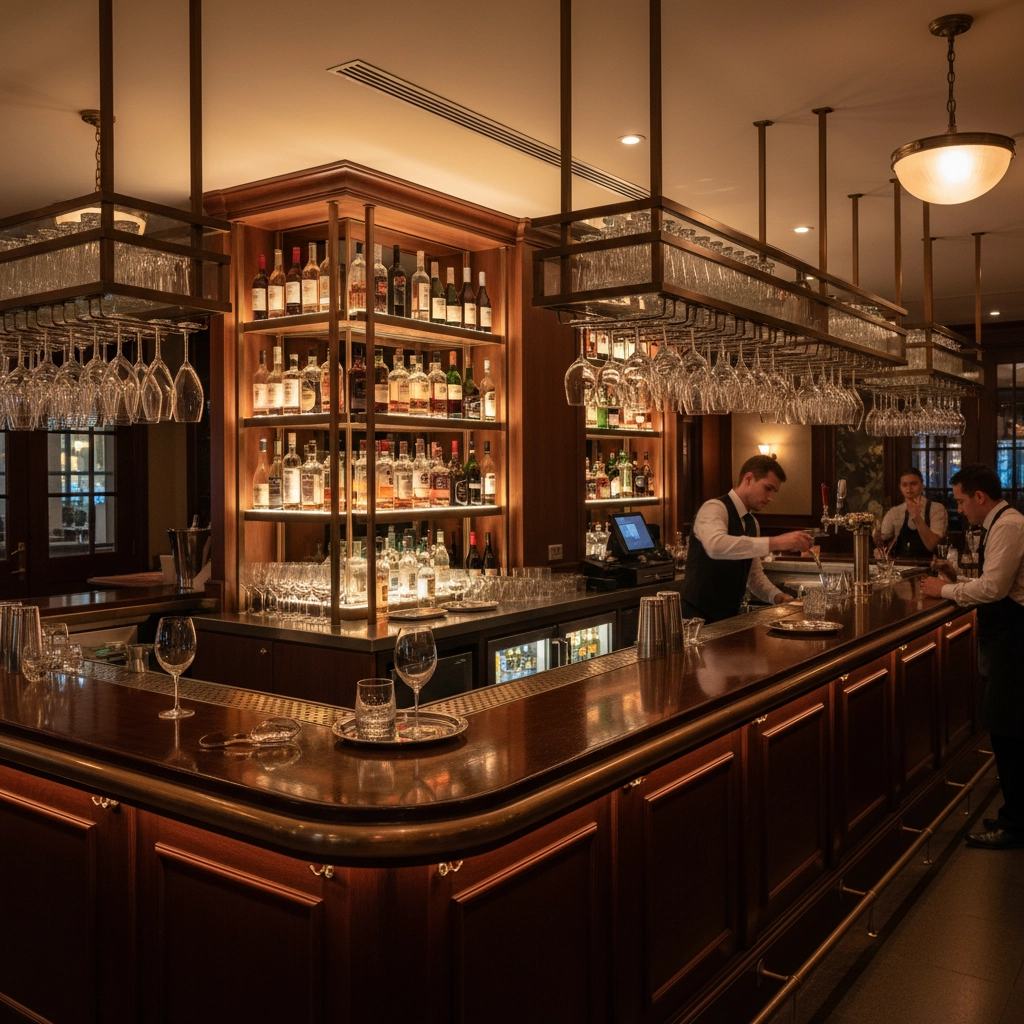
Establishments serving alcohol face significant liability exposures from intoxicated patrons. Many restaurant owners assume general liability coverage adequately protects against alcohol-related incidents or believe beer and wine service creates minimal risk.
Liquor liability claims can involve serious injuries, property damage, and substantial legal settlements. Standard general liability policies typically exclude alcohol-related incidents, leaving establishments without protection.
How to Fix It: Purchase separate liquor liability coverage if your establishment serves any alcoholic beverages. Train staff on responsible service practices and implement policies for identifying intoxicated patrons. Maintain proper licensing and comply with local alcohol service regulations.
Mistake 7: Failing to Update Policies Regularly
Restaurant operations evolve constantly through menu changes, equipment upgrades, service expansions, and operational modifications. Many owners allow policies to auto-renew without reviewing coverage adequacy or updating business information.
Outdated policies may not reflect current property values, inventory levels, or operational risks. New services like delivery, catering, or expanded seating areas create additional exposures that require coverage adjustments.
How to Fix It: Schedule annual policy reviews with your insurance provider. Update coverage when making significant operational changes, equipment purchases, or facility modifications. Document all business changes that might affect insurance requirements. Review policy exclusions and ensure coverage matches current operations.
Additional Coverage Considerations
Restaurant insurance needs extend beyond basic property and liability protection. Employment practices liability covers discrimination and harassment claims. Commercial auto insurance protects company vehicles and hired/non-owned auto exposure from employee vehicle use.
Food contamination coverage addresses recalls and disposal costs from contaminated products. Professional liability protection covers errors in catering services or food preparation advice. Directors and officers liability protects restaurant owners and managers from management-related lawsuits.
Documentation and Claims Management
Proper documentation significantly impacts claim outcomes and settlement amounts. Restaurant owners should maintain detailed records of all business property, equipment serial numbers, and inventory values. Photograph kitchen equipment, dining areas, and valuable items regularly.
Implement incident reporting procedures for customer accidents, employee injuries, and property damage. Train staff to document incidents immediately with photographs, witness statements, and detailed descriptions. Preserve damaged items until insurance adjusters complete their investigations.
Working with Insurance Professionals
Restaurant insurance requires specialized knowledge of industry risks and coverage options. Work with agents or brokers experienced in restaurant insurance who understand operational exposures and available protections.
Review coverage options annually and discuss business changes that might affect insurance needs. Obtain multiple quotes when coverage renewal approaches to ensure competitive rates and comprehensive protection. Verify all recommended coverage aligns with your specific operational requirements.
Moving Forward in 2025
Restaurant insurance landscapes continue evolving with new technologies, changing regulations, and emerging risks. Cyber threats increase as establishments adopt digital payment systems and online ordering platforms. Supply chain disruptions highlight the importance of comprehensive business interruption protection.
Climate-related events emphasize the need for adequate property coverage and business interruption protection. Labor shortages increase workers' compensation costs and employment practices liability exposures. These trends require ongoing attention to insurance adequacy and coverage updates.
Insurance Alliance LLC provides comprehensive restaurant insurance solutions for establishments throughout Florida, Texas, Arizona, Idaho, and Washington. Our experienced team understands restaurant industry risks and helps owners secure appropriate protection for their operations.
Contact Insurance Alliance LLC to review your current restaurant insurance coverage and identify potential gaps that could threaten your business. Our restaurant insurance specialists provide personalized guidance to ensure your establishment maintains comprehensive protection against industry-specific risks.


Comments