
7 Mistakes You're Making with Restaurant Insurance (and How to Fix Them)
- marketing676641
- Oct 25, 2025
- 5 min read
Restaurant owners face unique risks that require comprehensive insurance protection. Many establishments make critical errors in managing their coverage that lead to denied claims and significant financial losses. Learn how to avoid these seven common mistakes and protect your business effectively.
Mistake #1: Not Understanding Your Policy Coverage
Restaurant owners frequently assume their insurance covers incidents that actually fall outside their policy scope. This misunderstanding becomes costly when claims get denied due to coverage gaps or exclusions.
Your policy contains specific language about covered perils, excluded events, and coverage limits. General liability insurance does not cover all business risks. Property insurance may exclude certain types of damage. Business interruption coverage often requires specific triggering events.
How to Fix It:
Schedule a comprehensive policy review with your insurance agent. Request detailed explanations of coverage sections, exclusions, and deductibles. Understand whether your property coverage provides actual cash value or replacement cost coverage. Identify gaps between your current coverage and your business operations.
Ask specific questions about scenarios relevant to your restaurant. Does your policy cover food spoilage from equipment failure? Are delivery drivers covered under your commercial auto policy? Does cyber insurance protect against data breaches involving customer payment information?
Document these discussions and keep written summaries of your coverage details easily accessible.

Mistake #2: Failing to File Claims Promptly
Delayed claim reporting weakens your position with insurance companies and may result in denial. Insurance policies contain specific timeframes for claim notification. Waiting to report incidents signals lack of urgency and complicates investigations.
Late reporting makes evidence collection more difficult. Witness memories fade. Physical evidence deteriorates or gets contaminated. Security footage may get overwritten. These factors all work against successful claim resolution.
How to Fix It:
Report all incidents to your insurance company within 24-48 hours of occurrence. Contact your agent or carrier's claims hotline immediately after any incident that could generate a claim.
Create an incident reporting protocol for your staff. Train managers to recognize potentially covered events. Establish a system for documenting incidents as they happen, not days later.
Keep your insurance contact information readily available. Store agent phone numbers and policy numbers in multiple accessible locations throughout your restaurant.
Mistake #3: Being Uncooperative with Insurance Adjusters
Restaurant owners sometimes view insurance adjusters as adversaries working against their interests. This adversarial approach damages working relationships and can provide grounds for claim denial based on lack of cooperation.
Insurance policies contain cooperation clauses requiring policyholders to assist with claim investigations. Refusing to provide documentation, missing appointments, or being unresponsive violates these requirements.
How to Fix It:
Treat insurance adjusters as professional partners in the claims process. Respond promptly to requests for information, documentation, and meetings. Provide clear, factual information about incidents without speculation or assumptions.
Maintain professional communication throughout the process. Ask questions when you need clarification. Express concerns respectfully if you disagree with assessments or valuations.
Keep detailed records of all interactions with adjusters. Document phone conversations with notes including dates, times, and discussion topics.
Mistake #4: Inadequate Documentation of Damage and Incidents
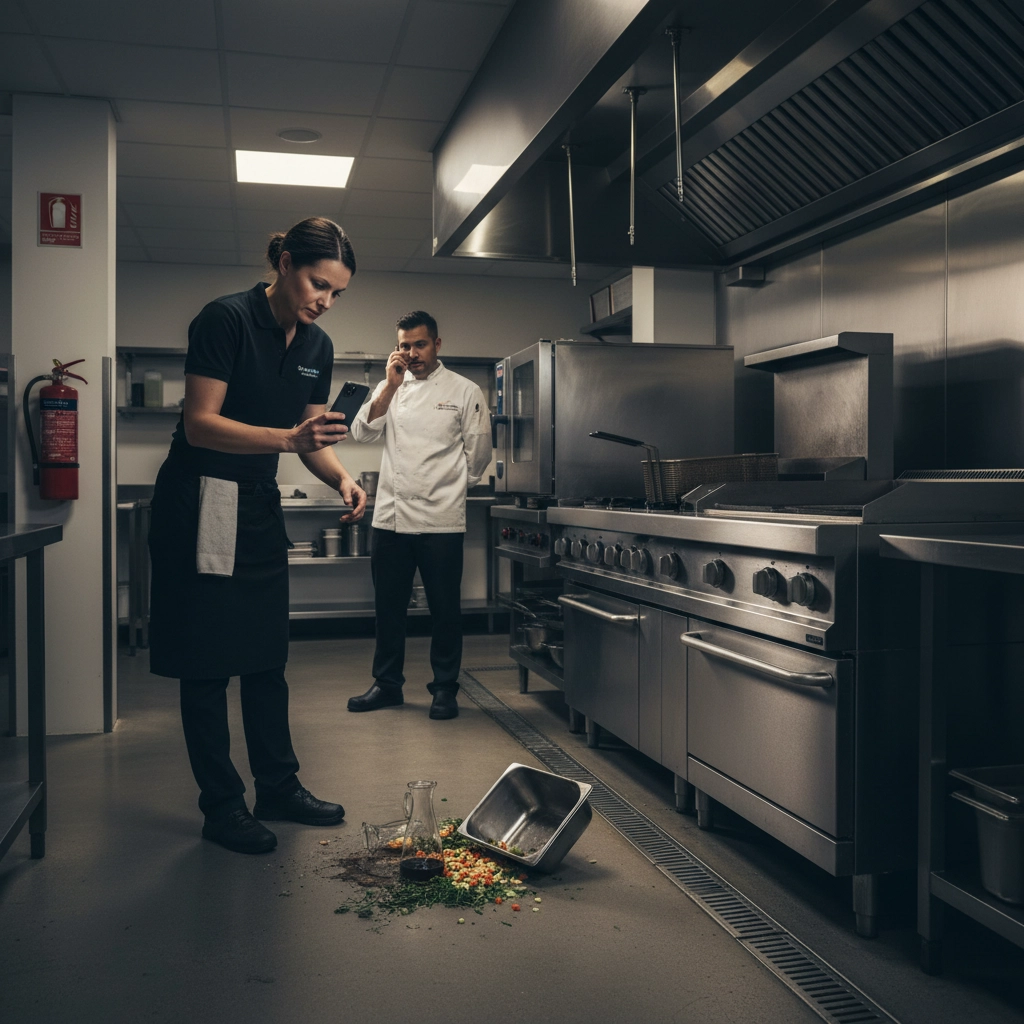
Insufficient documentation undermines claim validity and reduces settlement amounts. Many restaurant owners fail to properly document incidents when they occur, making it difficult to prove the extent of damage or the cause of loss.
Poor documentation includes blurry photos, incomplete incident reports, and missing witness information. Insurance companies require clear evidence to process claims effectively.
How to Fix It:
Develop a comprehensive incident documentation system. Take multiple high-resolution photos of damage from different angles. Include wide shots showing the overall scene and close-up shots of specific damage.
Create detailed written reports including exact dates, times, weather conditions, and circumstances surrounding incidents. Collect witness contact information and statements when possible.
Maintain organized files of all incident-related documentation. Include correspondence with insurance companies, repair estimates, and receipts for temporary repairs or additional expenses.
Use video documentation when appropriate. Moving footage can capture details that still photos miss, particularly for incidents involving equipment malfunction or structural damage.
Mistake #5: Disposing of Damaged Property Too Quickly
Restaurant owners often discard damaged items before insurance adjusters complete their inspections. This eliminates physical evidence needed to validate claims and can result in reduced settlements or claim denial.
Insurance adjusters need to examine actual damage to determine cause, extent, and value. Disposing of evidence prevents proper investigation and weakens your claim position.
How to Fix It:
Preserve all damaged property until your insurance company officially closes the claim. Store damaged items safely but avoid further deterioration when possible.
Take photographs before moving or storing damaged property. Document the original location and position of damaged items.
Coordinate with your insurance adjuster before disposing of any damaged property. Some insurers require written permission before allowing disposal of claim-related evidence.
Create a damaged property inventory with descriptions, photos, and estimated values. This documentation supports your claim even if physical evidence must be disposed of later.
Mistake #6: Admitting Fault After Incidents
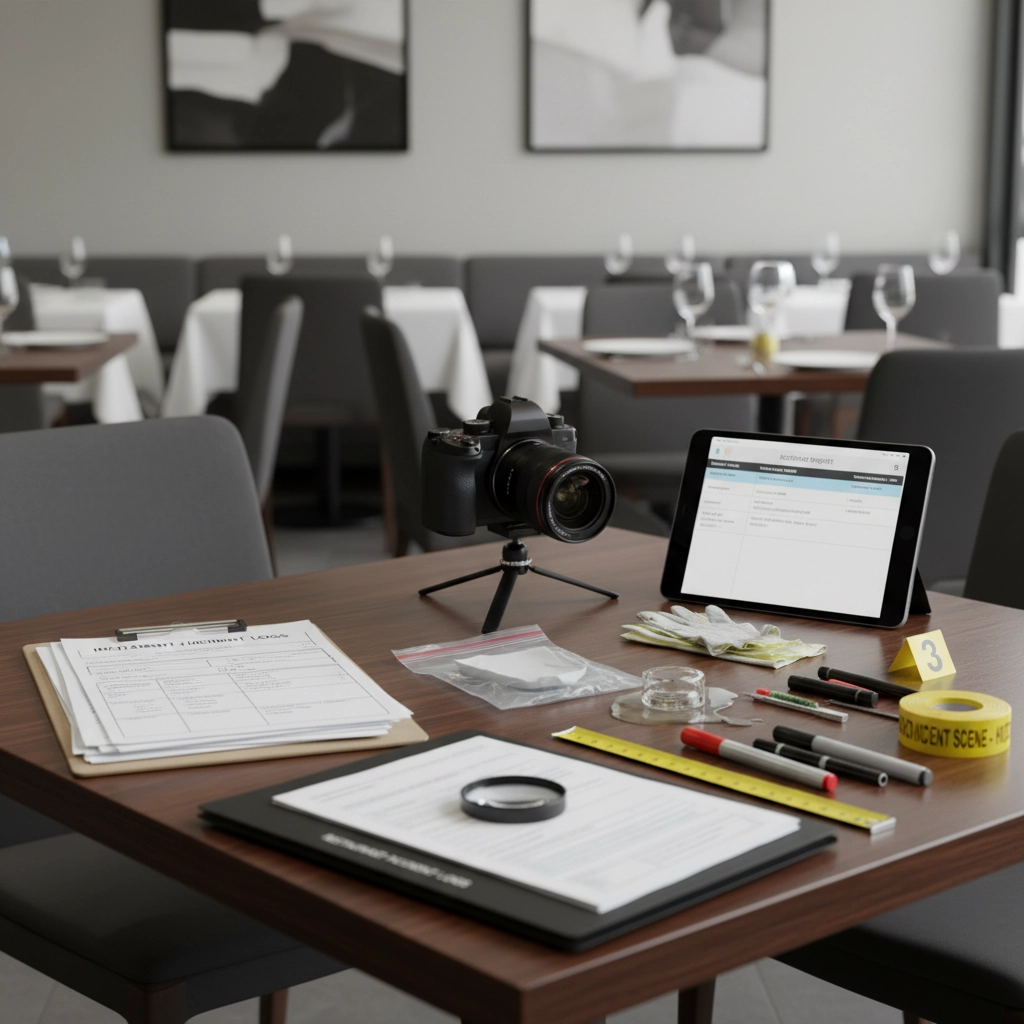
Restaurant owners frequently admit responsibility for incidents involving customer injuries or property damage. These admissions can void insurance coverage and expose businesses to additional liability.
Insurance policies often contain provisions that prohibit policyholders from admitting fault without company consent. Premature fault admission can breach these contract terms and result in coverage denial.
How to Fix It:
Never admit fault or accept responsibility for incidents involving injuries or damage. Express concern for injured parties without accepting blame for their situations.
Train staff to respond appropriately to incidents. Provide helpful assistance without making statements about fault or liability. Direct injured parties to file claims through proper insurance channels.
Document incidents factually without speculating about causes or responsibility. Let professional investigators determine fault based on evidence and witness statements.
Consult with your insurance company before making any statements to injured parties, their representatives, or legal counsel.
Mistake #7: Paying Claims Out of Pocket
Some restaurant owners attempt to handle minor incidents by paying expenses directly rather than filing insurance claims. This approach typically results in denied reimbursement and may breach policy terms.
Direct payment of claims can trigger policy violations and void coverage for related incidents. Insurance companies require control over claim handling to manage their risk exposure effectively.
How to Fix It:
Report all potential claims to your insurance company regardless of size or apparent cost. Allow your insurer to manage claim payments and communications with claimants.
Never pay medical bills or other expenses directly to injured parties. Direct all claim-related payments through your insurance company's established procedures.
Understand that reimbursement for unauthorized payments is typically excluded from insurance coverage. Out-of-pocket payments often become permanent business expenses rather than covered losses.
Work with your insurance agent to understand when deductibles apply and how they affect claim handling decisions.
Protecting Your Restaurant Business
Restaurant insurance requires active management and understanding of policy terms and claim procedures. These seven mistakes can result in significant financial losses and reduced protection for your business operations.
Insurance Alliance LLC provides comprehensive restaurant insurance solutions designed to protect against the unique risks facing food service establishments. Our experienced agents help restaurant owners understand their coverage options and develop appropriate protection strategies.
Contact Insurance Alliance LLC to review your current restaurant insurance coverage and identify potential gaps or concerns. Our team provides professional guidance to ensure your business maintains adequate protection against operational risks and liability exposures.


Comments