
Vortex Hurricane Insurance: 5 Ways Florida Businesses Can Bounce Back Faster After Storms
- marketing676641
- Dec 10, 2025
- 5 min read
Florida businesses face unique challenges when hurricanes strike. Traditional insurance often leaves gaps in coverage, requires extensive documentation, and delays payouts when cash flow is critical. Vortex Supplemental Hurricane Insurance addresses these challenges with a parametric approach that delivers immediate financial relief without the typical barriers of conventional coverage.
Understanding how Vortex works helps business owners prepare for hurricane season and recover faster when storms impact their operations. This coverage fills critical gaps that standard business insurance policies leave uncovered.
1. Receive Automatic Payouts Within Two Weeks
Vortex delivers financial relief when businesses need it most. When a qualifying hurricane enters your policy's coverage area, payouts occur within two weeks with no documentation required. The speed comes from Vortex's parametric insurance model, which triggers payments automatically based on predetermined weather conditions rather than damage assessments.
This approach eliminates the typical insurance process of filing claims, waiting for adjusters, and proving losses. Instead, when a Category 3 or stronger hurricane crosses into your chosen coverage area, your payout activates immediately. For businesses dealing with immediate expenses after a storm, this speed provides crucial cash flow when operations are disrupted.
Recent hurricane seasons demonstrate this efficiency. After Hurricanes Helene and Milton, businesses covered by Vortex received payouts by October 27, allowing them to address urgent needs while traditional insurance processes were still beginning.
2. Use Funds for Any Recovery Need Without Restrictions
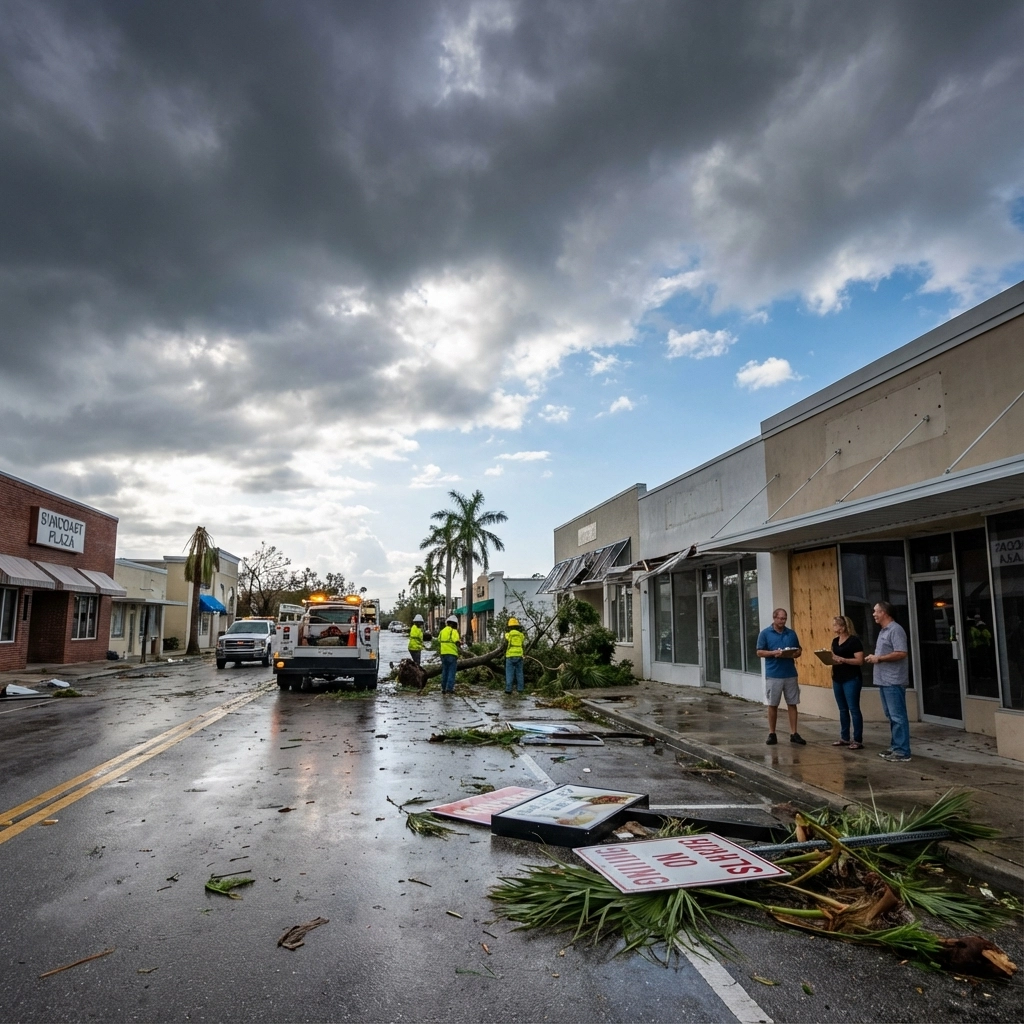
Vortex payouts come with complete flexibility in how funds are allocated. Businesses can direct the money toward any hurricane-related expense, including deductibles, storm damage repairs, inventory replacement, payroll continuation, lost wage recovery, business interruption costs, or flood-related expenses.
This unrestricted approach contrasts with traditional insurance, which often limits reimbursements to specific covered items and requires detailed documentation of how funds are used. With Vortex, business owners control their recovery priorities and can address their most pressing needs immediately.
The flexibility proves especially valuable for businesses with multiple recovery needs competing for limited resources. Restaurant owners might need to replace spoiled inventory, repair equipment, and cover payroll for employees who cannot work. Retail businesses may face simultaneous needs for facility repairs, inventory restocking, and maintaining operations during reduced capacity.
3. Bridge Coverage Gaps Left by Traditional Insurance
Most business insurance policies contain coverage limitations that become apparent after major storms. High deductibles, coverage exclusions, and waiting periods create financial gaps that can threaten business continuity. Vortex Supplemental Hurricane Insurance specifically addresses these gaps.
Traditional policies often exclude or limit coverage for flood damage, business interruption losses, and certain types of wind damage. Deductibles for hurricane damage frequently exceed what many businesses can comfortably absorb. Vortex coverage supplements these policies by providing funds that can cover what traditional insurance does not.
This supplemental approach works alongside existing coverage rather than replacing it. Businesses maintain their standard insurance protection while adding Vortex as an additional layer that activates when hurricanes threaten their operations.
4. Eliminate Damage Documentation Requirements
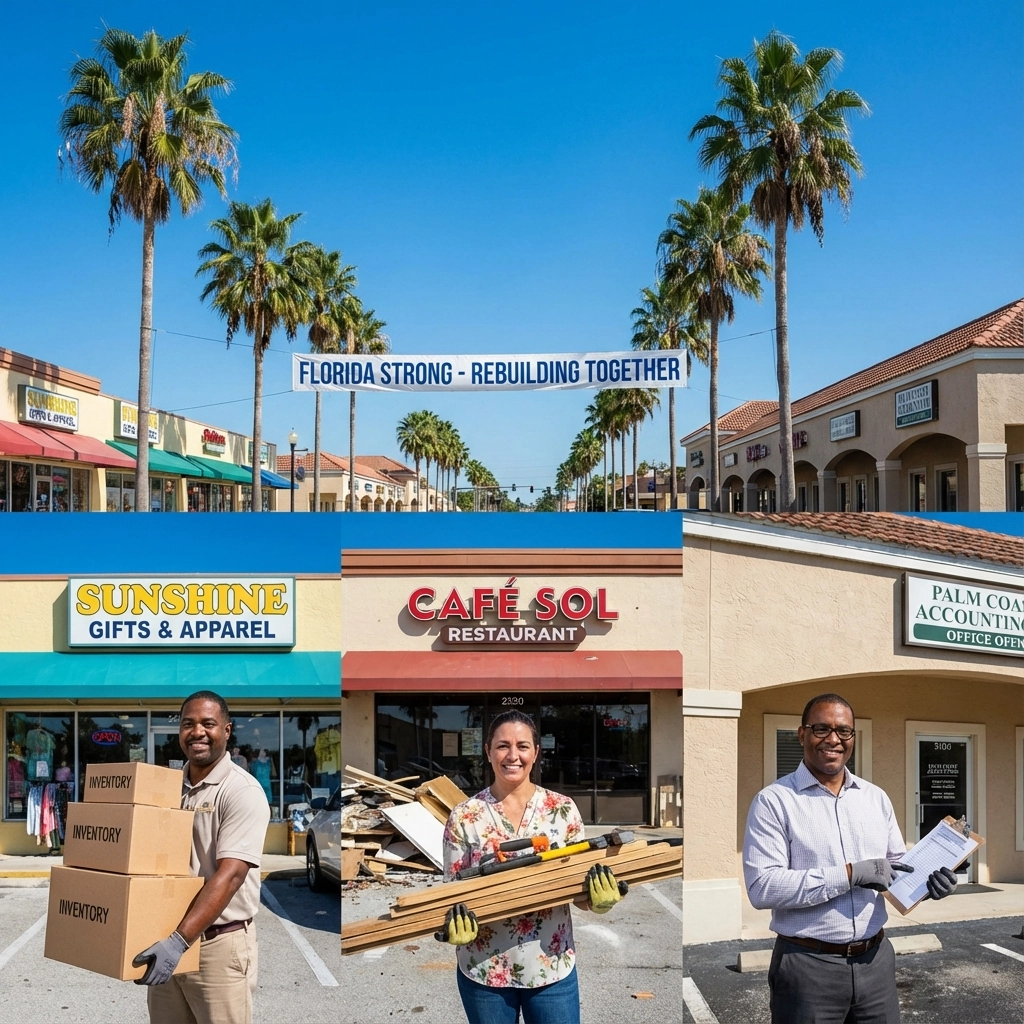
The parametric insurance model removes the burden of proving damage occurred. Traditional insurance requires extensive documentation, damage assessments, contractor estimates, and adjuster evaluations before releasing funds. This process can extend for months while businesses struggle with immediate recovery needs.
Vortex operates differently. Coverage triggers automatically when a Category 3 or stronger hurricane enters your predetermined coverage area, either within a 30-mile or 40-mile radius of your business location. No damage assessment is required. No proof of loss documentation is necessary. No adjuster visits are needed.
This automatic trigger system allows businesses to focus on recovery rather than administrative processes. While competitors deal with insurance paperwork and wait for claim approvals, Vortex-covered businesses can immediately begin addressing their recovery needs with available funds.
5. Establish Predetermined Protection Before Hurricane Season
Vortex policies activate 30 days after initial setup, encouraging businesses to establish coverage well before hurricane season begins on June 1. This proactive approach ensures protection is in place when storms develop, rather than scrambling for coverage as hurricane threats emerge.
The predetermined nature of Vortex coverage provides certainty about what protection exists before storms strike. Business owners select their coverage amount and radius during policy setup, creating clear expectations about what financial support will be available if hurricanes impact their area.
This advance planning allows businesses to incorporate Vortex coverage into their broader hurricane preparedness strategy. Knowing that automatic financial support will arrive within two weeks of a qualifying storm enables more comprehensive disaster planning and faster recovery implementation.

Understanding Vortex Coverage Parameters
Vortex Supplemental Hurricane Insurance activates based on specific meteorological conditions rather than damage assessments. Coverage triggers when the National Hurricane Center confirms that a Category 3, 4, or 5 hurricane passes within your selected radius of your business location.
The coverage radius options are 30 miles or 40 miles from your business address. This radius selection impacts both coverage scope and policy structure, with businesses in hurricane-prone areas often selecting the broader 40-mile option for increased protection frequency.
Hurricane categories are determined by sustained wind speeds, with Category 3 storms featuring winds of 111-129 mph, Category 4 storms with 130-156 mph winds, and Category 5 storms exceeding 157 mph. These thresholds ensure that only significant hurricane events trigger coverage.
Integration with Business Continuity Planning
Vortex coverage works most effectively when integrated into comprehensive business continuity planning. The automatic payout structure allows businesses to pre-plan how funds will be allocated across different recovery priorities.
Smart business owners develop hurricane response plans that account for Vortex payouts as part of their overall recovery strategy. This planning might include predetermined vendor relationships for emergency repairs, agreements with temporary staffing services, or arrangements with alternative suppliers for inventory replacement.
The two-week payout timeline enables businesses to bridge the gap between initial hurricane impact and the restoration of normal operations. This bridging function proves especially valuable for businesses in service industries where extended closures can result in permanent customer loss.
Coverage Limitations and Considerations
Vortex Supplemental Hurricane Insurance operates within specific parameters that business owners should understand. Coverage applies only to hurricanes that meet the Category 3 or higher threshold within the selected radius. Tropical storms, Category 1 hurricanes, and Category 2 hurricanes do not trigger coverage.
The parametric model means that businesses receive payouts regardless of actual damage experienced. A business that suffers minimal damage from a qualifying hurricane receives the same payout as a business that experiences significant losses, provided both are within the coverage radius.
Policy activation requires a 30-day waiting period after initial setup, preventing coverage purchases in response to immediate hurricane threats. This structure encourages advance planning and prevents adverse selection in the insurance pool.
Professional Guidance for Hurricane Preparedness
Insurance Alliance LLC helps Florida businesses understand how Vortex Supplemental Hurricane Insurance fits into comprehensive risk management strategies. Our team evaluates individual business needs, existing coverage gaps, and hurricane exposure to determine appropriate Vortex coverage levels.
Hurricane preparedness extends beyond insurance coverage to include operational planning, employee safety protocols, and post-storm recovery procedures. We work with businesses to develop integrated approaches that combine insurance protection with practical preparedness measures.
Contact Insurance Alliance LLC to learn how Vortex Supplemental Hurricane Insurance can strengthen your business's hurricane preparedness and recovery capabilities. Our Florida-based team understands the unique challenges that hurricanes create for local businesses and provides guidance tailored to your specific operational needs.


Comments