
Surviving the Shutdown: A Masterclass in Restaurant Business Interruption Insurance
Business interruption insurance serves as a critical financial safeguard for the hospitality industry. For a restaurant, a physical disaster does more than damage the building; it halts the primary source of revenue while fixed obligations persist. This technical guide examines the mechanics of Business Interruption (BI) coverage, focusing on the calculation of losses, the definition of restoration periods, and the technical requirements for maintaining coverage integrity.
Understanding the Primary Trigger: Direct Physical Loss
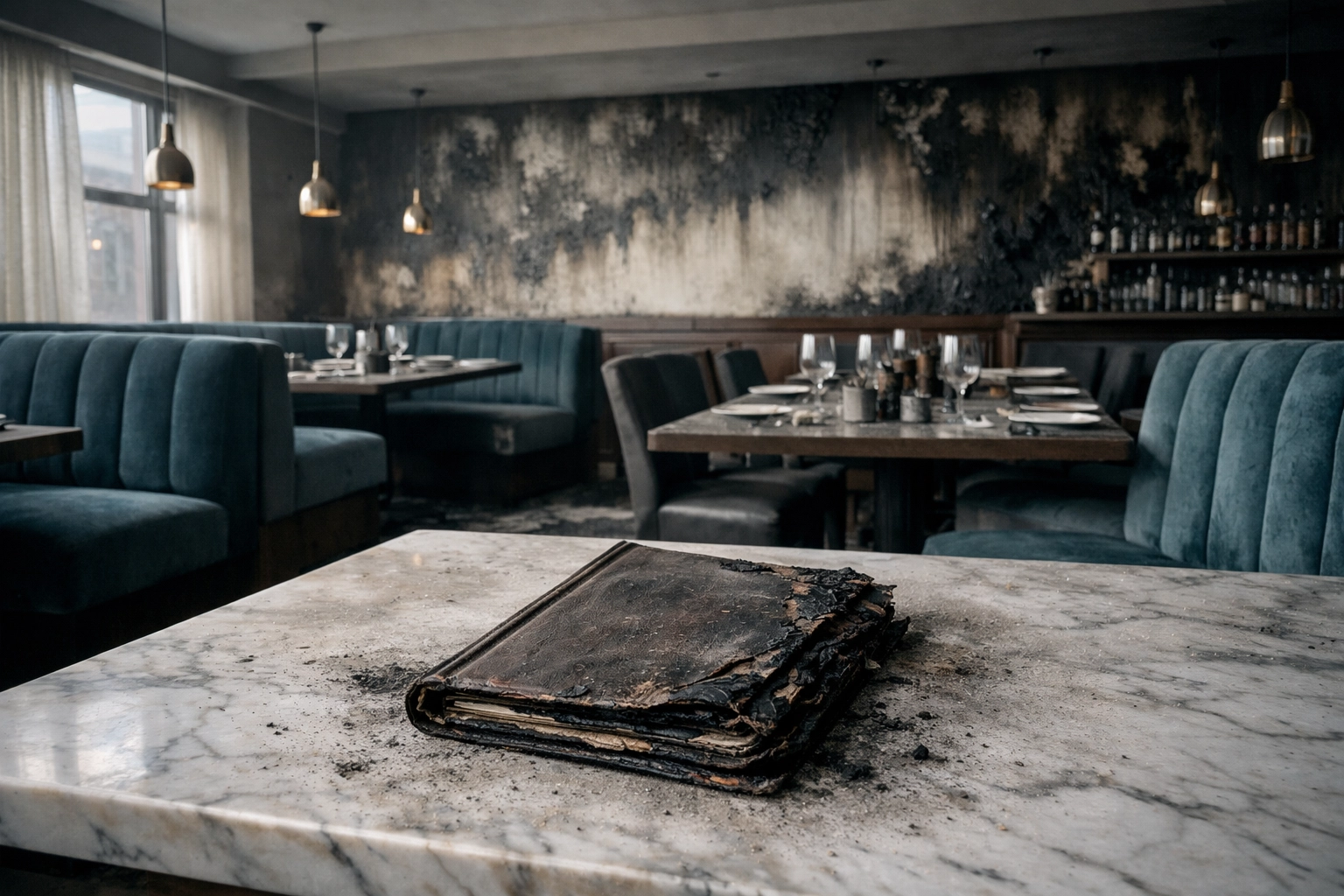
Business interruption coverage is not a standalone protection. In the context of fine dining restaurant insurance, it is typically an endorsement or a component of a commercial property policy. The activation of this coverage requires a specific trigger: direct physical loss of or damage to the insured premises.
Common triggers include:
Fire and lightning strikes.
Windstorm or hail damage.
Water damage from internal plumbing failures.
Vandalism or civil unrest.
If a restaurant closes due to economic downturns, elective renovations, or nearby road construction that does not physically damage the restaurant property, standard BI coverage does not apply. The nexus between physical damage and income loss is the foundation of any business income claim.
The Calculation of Actual Loss vs. Projected Earnings
The goal of business interruption insurance is to put the business in the same financial position it would have occupied had the loss not occurred. This requires a rigorous accounting process to determine the "Actual Loss Sustained."
The Net Income Formula
The standard calculation for business income loss follows this formula: Net Income (Net Profit or Loss before income taxes) + Continuing Normal Operating Expenses (including payroll).
Projected Earnings and Historical Data
To determine what the restaurant "would have earned," insurance carriers analyze historical financial statements. This includes:
Profit and Loss (P&L) Statements: Usually covering the 24 months preceding the loss.
Sales Tax Records: To verify reported revenue.
Point of Sale (POS) Reports: To analyze daily and day-part trends.
The calculation must account for "Projected Earnings." If a restaurant demonstrates a consistent 10% year-over-year growth in the months leading up to a fire, the projected earnings calculation should reflect that growth trend rather than simply averaging the previous year's performance.
Non-Continuing Expenses
During a shutdown, some expenses stop. These are "non-continuing expenses" and are deducted from the total claim. Examples include:
Cost of Goods Sold (COGS) like fresh produce and meat.
Utilities that are scaled back during closure.
Hourly labor costs if the staff is not retained.
The Period of Restoration: A Time-Bound Recovery
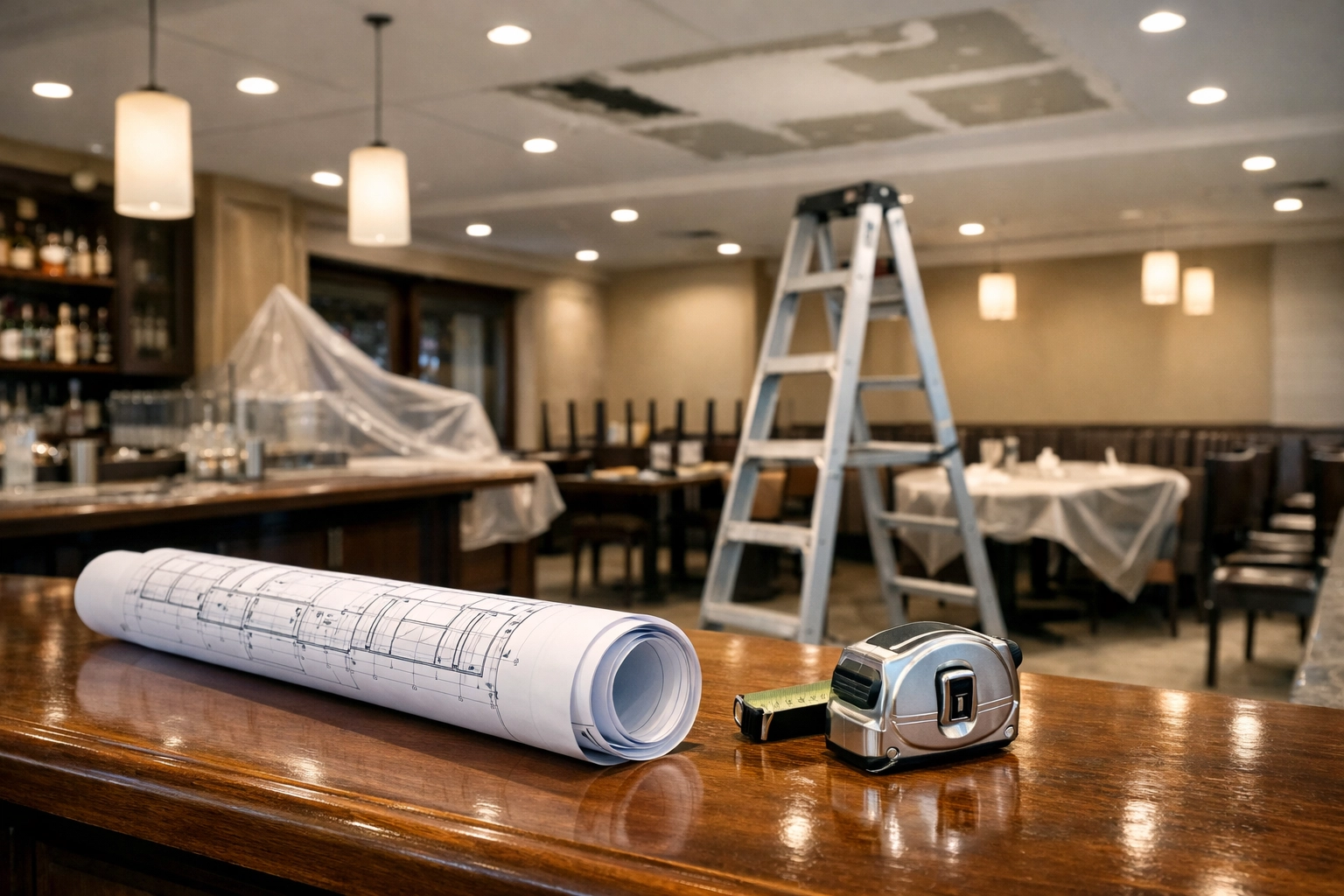
The "Period of Restoration" is the specific window during which the insurance policy provides coverage for lost income. Understanding its boundaries is vital for operational planning.
The Commencement: The period typically begins at the time of the physical loss or a set number of hours (often 72 hours) following the loss. This initial gap is known as the "waiting period" and functions as a time-based deductible.
The Termination: The period ends on the date when the property at the described premises should be repaired, rebuilt, or replaced with reasonable speed and similar quality.
The "Reasonable Speed" Standard: Coverage does not extend indefinitely if the owner delays repairs. The "reasonable speed" is determined by what a diligent business owner would do to resume operations.
Extended Period of Indemnity
One of the most common pitfalls for restaurant owners is the assumption that income coverage continues until the restaurant reaches pre-loss sales levels. Standard BI coverage often ends the moment the "Open for Business" sign is turned back on.
However, restaurants often experience a "lag" in customer return after a long closure. The Extended Period of Indemnity is an endorsement that extends coverage for a set number of days (e.g., 30, 60, or 90 days) after the restoration is complete. This allows the business to receive assistance while marketing to former customers and ramping up to full capacity.
Extra Expense Coverage: Minimizing the Loss
Extra Expense coverage is a subset of business income insurance. It provides funds for necessary expenses the restaurant incurs during the period of restoration that it would not have incurred if there had been no physical loss.
In the restaurant sector, this might include:
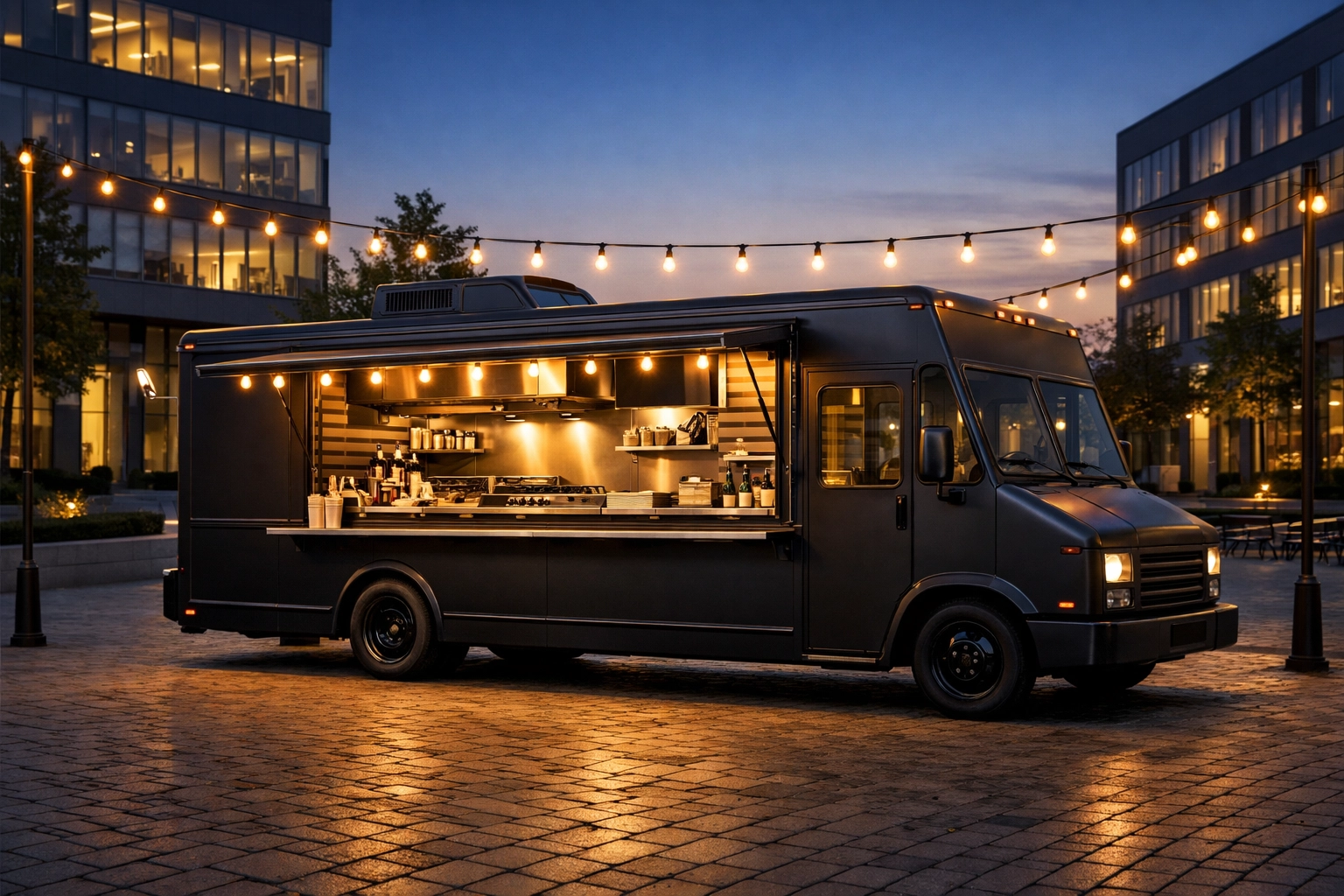
Rent for a temporary "pop-up" kitchen or food truck to maintain brand presence.
Expedited shipping costs for replacement ovens or specialized equipment.
Costs to relocate inventory to a climate-controlled warehouse.
The primary requirement is that these expenses must be incurred to reduce the total loss or to keep the business operational.
Civil Authority and Dependent Property Coverage
Losses do not always occur on the restaurant's primary footprint. Two technical extensions address external disruptions:
Civil Authority Coverage
This applies when a covered peril damages a neighboring property, and a government entity (like the fire department or police) prohibits access to the restaurant. For example, if a fire at an adjacent building causes the city to cordoned off the entire block, Civil Authority coverage may trigger even if the restaurant itself suffered no smoke or fire damage.
Contingent Business Interruption (Dependent Property)
Restaurants rely on a complex supply chain. If a primary specialty supplier (e.g., a specific organic farm or a specialized winery) suffers a catastrophic fire and can no longer deliver goods, the restaurant may suffer an income loss. Contingent Business Interruption covers the loss of income resulting from physical damage to a "dependent property" that the restaurant relies on to attract customers or provide services.
Technical Pitfalls and Compliance Requirements
Navigating a business interruption event requires strict adherence to policy conditions. Failure to comply can result in the denial of coverage or a reduced settlement.
Duty to Mitigate: The insured is required to take all reasonable steps to reduce the loss. This includes securing the property from further damage and making efforts to resume partial operations if possible.
Adequate Documentation: The burden of proof lies with the restaurant owner. Without organized digital records of past performance, calculating projected earnings becomes speculative and difficult to justify to an adjuster.
The "Idle Property" Rule: If a restaurant was already planning to close or was failing financially prior to the loss, the carrier may argue that no "actual loss" occurred because the business would not have generated profit regardless of the physical damage.
Evaluating Risk and Limits
Determining the appropriate limits for business interruption requires a deep dive into the restaurant's financial health. It is not enough to look at gross sales; one must consider the maximum possible downtime. If a restaurant is located in a historic building, the "period of restoration" might be significantly longer due to specialized construction requirements and permitting delays.
Insurance Alliance LLC provides professional guidance for business owners seeking to understand their exposure. For more information on specialized business coverage, visit our insurance blog or explore our sitemap for a full list of commercial solutions.
By focusing on the technical mechanics of the period of restoration and the precision of actual loss calculations, restaurant owners can ensure their operations remain resilient against physical disruptions. Professional risk assessment ensures that when the doors must close temporarily, the financial foundation remains intact.
Insurance Alliance LLC Professional Insurance Solutions Serving Business Owners with Expertise and Integrity.


Comments