
Cyber Liability in the Kitchen: Why Every Modern Restaurant Needs Digital Protection
The restaurant industry relies heavily on digital infrastructure to manage daily operations. Modern establishments use interconnected systems for payment processing, online ordering, inventory management, and customer loyalty programs. While these technologies improve efficiency, they also introduce significant digital risks. Cyber liability insurance addresses the financial and legal consequences of data breaches and system failures.
The Digital Landscape of Modern Food Service
Technology is no longer optional for competitive restaurants. Digital transactions account for a vast majority of sales in the current market. Every swipe of a credit card and every online reservation creates a digital footprint. These footprints contain sensitive data that requires protection.
Small to mid-sized restaurants are frequent targets for cyberattacks. These businesses often possess valuable data but lack the robust security protocols found in large national chains. Cybercriminals exploit these vulnerabilities to gain access to payment information and personal employee records.
Point-of-Sale (POS) System Vulnerabilities
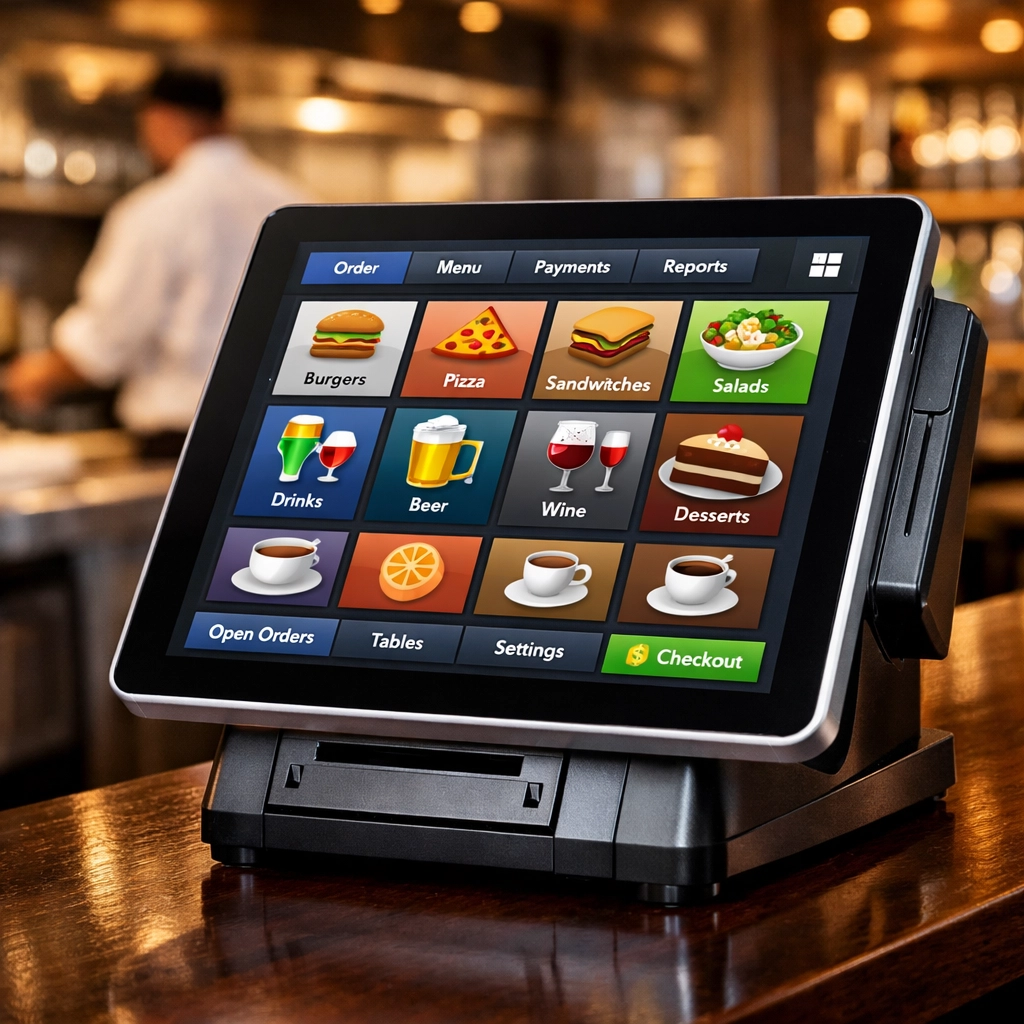
The Point-of-Sale (POS) system is the most critical technology in a restaurant. It is also the primary target for digital threats. POS systems process high volumes of credit and debit card information.
Legacy System Risks
Many restaurants continue to operate on legacy POS hardware. These older systems often run on outdated operating systems that no longer receive security patches. Without regular updates, these systems remain vulnerable to known malware and exploits.
RAM Scrapping Malware
Cybercriminals use specialized malware designed to "scrape" data from the temporary memory (RAM) of a POS system. This occurs during the brief moment after a card is swiped but before the data is encrypted. Once captured, this data is sold on the dark web or used for fraudulent transactions.
Remote Access Exploits
Third-party vendors often use remote access software to maintain and troubleshoot POS systems. If these remote connections are not secured with strong passwords and multi-factor authentication (MFA), they become open doors for attackers. Unauthorized users can gain full control of the terminal and the connected network.
Data Breach Notification Laws and Compliance
When a restaurant experiences a data breach, legal obligations begin immediately. Licensed businesses in states like Florida, Texas, and Washington must adhere to strict notification statutes. These laws dictate how and when a business must inform affected parties about a compromise of their personal information.
Definitions of Protected Information
Personally Identifiable Information (PII) typically includes:
Full names.
Social Security numbers.
Driver’s license numbers.
Credit and debit card numbers combined with security codes.
If any of this data is accessed by an unauthorized individual, the restaurant must initiate a formal response plan.
Technical Notification Requirements
Notification laws require businesses to provide written notice to affected individuals. This notice must explain the nature of the breach and what steps the business is taking to mitigate damage. In many jurisdictions, if a breach exceeds a certain number of records, the business must also notify the State Attorney General and credit reporting agencies.
Insurance Alliance LLC provides guidance on navigating these regulatory requirements. Maintaining compliance is essential for avoiding civil penalties and legal action. You can learn more about managing complex operations across different regions in our guide on multi-state restaurant management.
Technical Safeguards for Credit Card Data
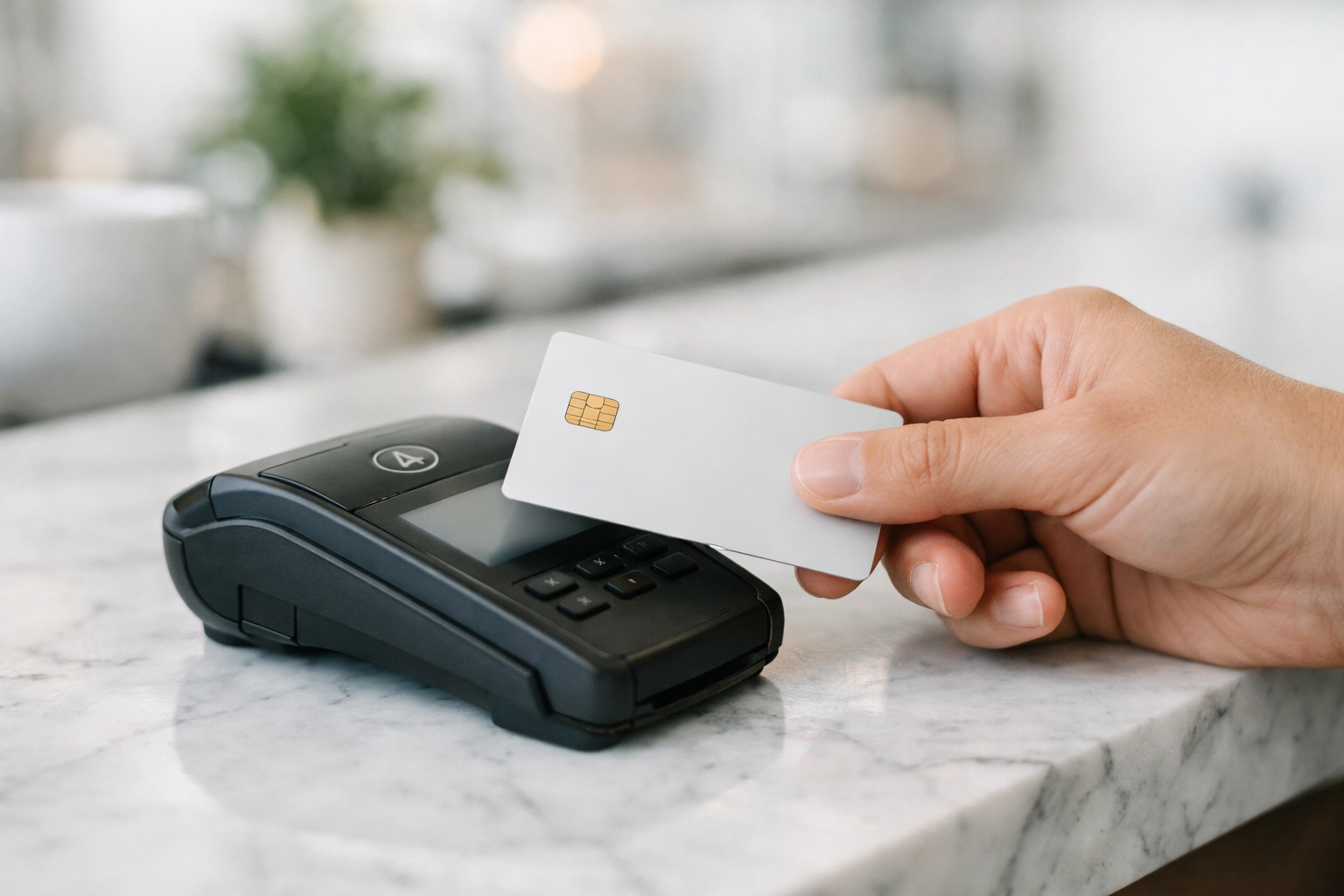
Protecting customer data requires a multi-layered technical approach. Restaurants must comply with the Payment Card Industry Data Security Standard (PCI DSS). These standards provide a framework for securing the entire payment ecosystem.
End-to-End Encryption (E2EE)
Encryption transforms sensitive data into unreadable code. End-to-end encryption ensures that card data is encrypted at the point of entry (the card reader) and remains encrypted until it reaches the payment processor. This prevents attackers from viewing usable data even if they intercept the transmission.
Tokenization
Tokenization replaces sensitive card numbers with a unique identifier called a "token." The actual card data is stored in a secure digital vault managed by the processor. The restaurant's system only stores the token. Because tokens have no value to hackers, the risk associated with a data breach is significantly reduced.
Network Segmentation
Restaurants often provide guest Wi-Fi for customers. This guest network should always be separate from the internal network used for POS transactions and back-office operations. Network segmentation prevents a hacker who accesses the guest Wi-Fi from reaching the sensitive payment environment.
Common Cyber Threats in the Restaurant Industry
Ransomware Attacks
Ransomware is a type of malware that encrypts a business's digital files, making them inaccessible. The attacker then demands payment in exchange for the decryption key. For a restaurant, ransomware can shut down the POS system, preventing any sales from occurring. It can also lock inventory records and employee schedules.
Phishing and Social Engineering
Phishing involves sending fraudulent emails that appear to be from trusted sources, such as a bank or a food vendor. These emails often contain links to malicious websites designed to steal login credentials. Employees are often the weakest link in a digital security chain. Training staff to recognize suspicious communications is a critical safeguard.
Insider Threats
Not all digital threats come from outside the organization. Malicious employees or former staff members with active credentials can intentionally leak data or disrupt systems. Implementing the "principle of least privilege" ensures that employees only have access to the specific data and systems required for their job functions.
The Limitations of General Liability Insurance
A common misconception among restaurant owners is that a standard General Liability (GL) policy covers cyber incidents. This is incorrect.
General Liability insurance is designed to cover physical risks, such as bodily injury or property damage. It typically contains specific exclusions for electronic data and digital assets. If a restaurant suffers a data breach, the GL policy will not cover the costs of forensic investigations, legal fees, or customer notification.
Dedicated cyber liability insurance is required to fill this gap. It provides coverage specifically for the intangible risks associated with modern technology. You can explore other essential coverages in our overview of non-negotiable restaurant insurance.
Components of Cyber Liability Coverage
Cyber liability policies are generally divided into two categories: First-party coverage and Third-party coverage.
First-Party Coverage
This covers the direct expenses incurred by the restaurant following an incident.
Forensic Investigation: Hiring technical experts to determine the source and scope of the breach.
Notification Costs: The expense of mailing letters to customers and setting up call centers.
Credit Monitoring: Providing affected customers with identity theft protection services.
Business Interruption: Reimbursing lost income if the restaurant must close due to a system failure.
Crisis Management: Hiring a public relations firm to repair the restaurant's reputation.
Third-Party Coverage
This covers the restaurant's liability to outside parties.
Legal Defense: Costs associated with defending the business against lawsuits filed by customers or partners.
Regulatory Fines: Penalties imposed by government agencies for failing to protect data or follow notification laws.
PCI Fines: Assessments and penalties issued by credit card brands for non-compliance.

Strengthening Your Digital Defenses
Insurance is a critical component of risk management, but it should be paired with proactive security measures.
Implement Multi-Factor Authentication (MFA): Require a second form of verification for all remote logins and administrative accounts.
Regular Software Updates: Ensure all POS software, routers, and back-office computers are running the latest versions.
Employee Training: Conduct regular sessions on password hygiene and phishing awareness.
Secure Backups: Maintain offline backups of critical data to ensure recovery in the event of a ransomware attack.
Vendor Management: Verify that third-party vendors, such as delivery apps and reservation platforms, meet high security standards.
Risk Management for the Modern Kitchen
Digital protection is no longer a luxury for the restaurant industry. It is a fundamental requirement for operational continuity. A single data breach can lead to significant financial loss and permanent damage to a brand's reputation.
Insurance Alliance LLC specializes in identifying the specific digital risks faced by hospitality businesses. We help owners understand the technical requirements of cyber liability and the safeguards necessary to protect customer information.
For more information on specialized equipment protection, view our article on Inland Marine insurance.
Insurance Alliance LLC Expertise in Business, Life, and Disaster Insurance www.theinsalliance.com


Comments