
Quick Service Restaurant Insurance in Central Florida: What Franchise Owners Can't Afford to Miss
- marketing676641
- Dec 6, 2025
- 5 min read
Quick service restaurant franchise owners in Central Florida face unique insurance challenges that require comprehensive protection strategies. The combination of Florida's natural disaster risks, high employee turnover, strict local regulations, and franchise-specific liabilities creates complex coverage requirements that many owners underestimate.
Understanding these coverage needs before operating your franchise protects your investment and ensures compliance with both franchise agreements and local requirements.
Essential Coverage Types for QSR Franchises
General Liability Insurance
General liability insurance provides fundamental protection for quick service restaurants. This coverage handles customer slip-and-fall accidents, food-related injuries, and property damage claims that occur on your premises.
Franchise locations require this protection as landlords typically mandate proof of coverage before executing lease agreements. The coverage extends beyond basic accidents to include product liability claims related to food service and advertising injury protection.
Workers' Compensation Insurance
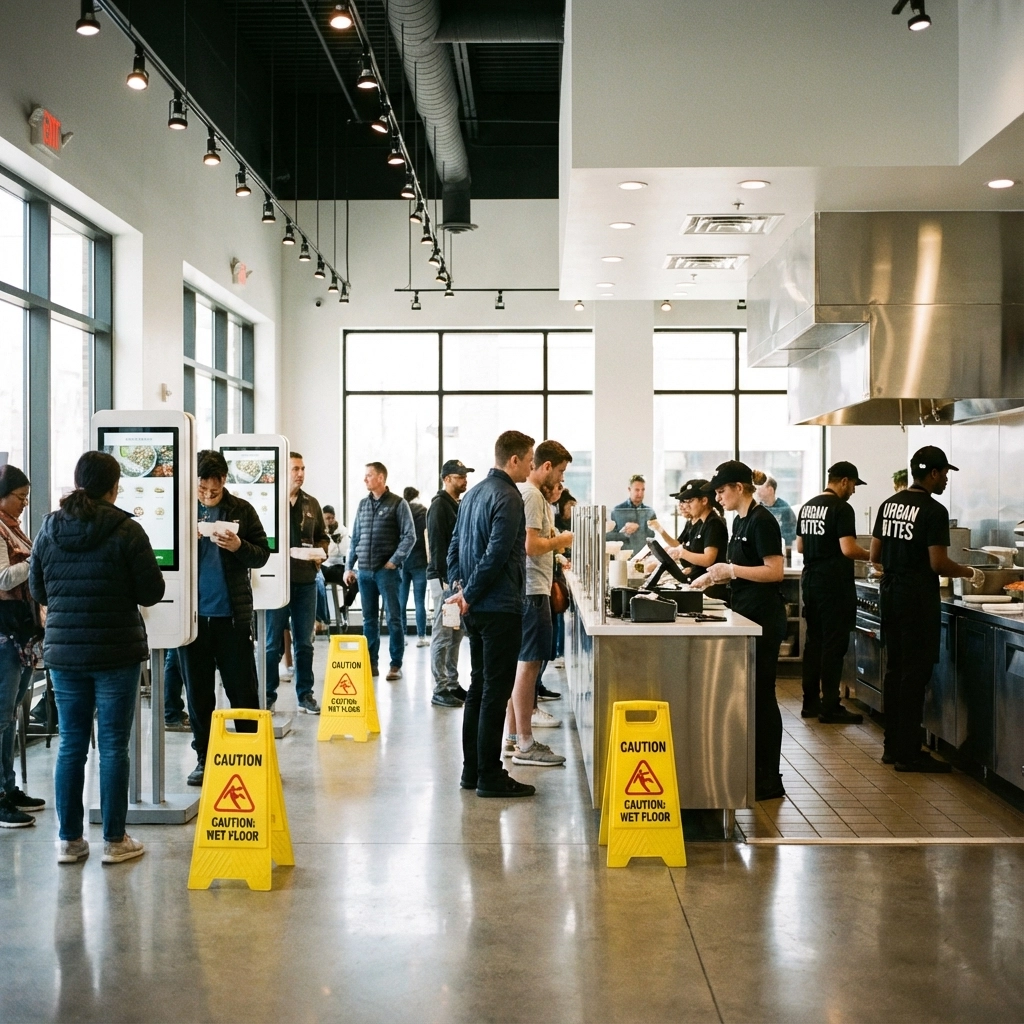
Florida law requires workers' compensation insurance for businesses with four or more employees. Quick service restaurants experience frequent workplace injuries due to fast-paced operations, hot equipment, and slippery surfaces.
This coverage protects both employees and business owners from financial exposure following workplace accidents. Enhanced policies often include safety training programs that help create safer working environments while meeting legal compliance requirements.
Property Insurance Protection
Property insurance protects physical assets including equipment, inventory, furnishings, and building improvements. For Central Florida franchises, this coverage becomes critical due to hurricane exposure and severe weather risks.
Business interruption protection within property policies compensates for lost income during forced closures due to covered damages. This protection helps franchise owners maintain financial stability during recovery periods following property damage events.
Food Contamination Coverage
Food contamination insurance addresses restaurant-specific risks that standard policies often exclude. This specialized coverage handles foodborne illness claims, product recalls, legal defense costs, and temporary closure expenses.
The protection includes crisis management support to help navigate public relations challenges that accompany food safety incidents. Coverage typically extends to spoilage due to equipment failure and contamination from various sources.
Central Florida Specific Considerations
Weather-Related Risks
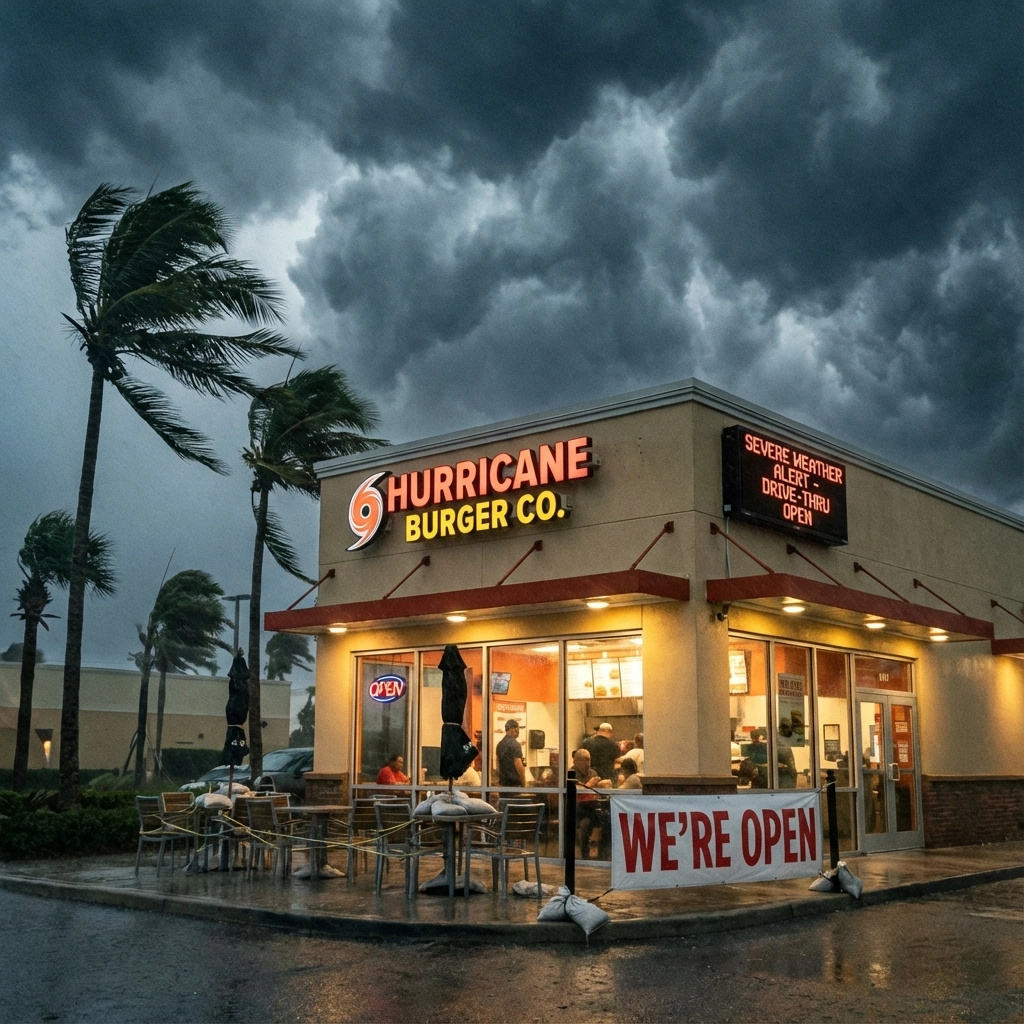
Central Florida's hurricane season presents significant challenges for restaurant operations. Property insurance with adequate business interruption limits becomes essential rather than optional for franchise owners in this region.
Coverage should address wind damage, flooding, and extended power outages that can force lengthy closures. Understanding your policy's specific weather-related exclusions helps ensure adequate protection during storm seasons.
Local Regulatory Requirements
Different municipalities within Central Florida maintain varying insurance requirements for restaurant operations. Orange County, Seminole County, and surrounding areas each have specific Certificate of Insurance requirements that vary by location and type of establishment.
Local insurance providers understand these regional variations and can structure policies that meet specific municipal requirements. This knowledge prevents coverage gaps that could result in operational delays or lease violations.
Franchise-Specific Insurance Requirements
Contractual Obligations
Franchise agreements typically contain specific insurance requirements that protect both franchisees and franchisors. These mandates often include minimum coverage limits, additional insured requirements, and particular coverage types.
Understanding your franchise agreement's insurance provisions ensures compliance and prevents potential contract violations. Requirements may include specific coverage for intellectual property protection and brand liability exposures.
Brand Protection Considerations
Franchises carry reputational risks that extend beyond individual locations. Coverage should address potential brand damage from incidents that could affect the broader franchise system.
This protection includes crisis management support and public relations assistance following incidents that could impact brand reputation. Proper coverage helps maintain franchise relationships and protects long-term business viability.
Additional Protection Layers
Cyber Liability and Data Breach Protection
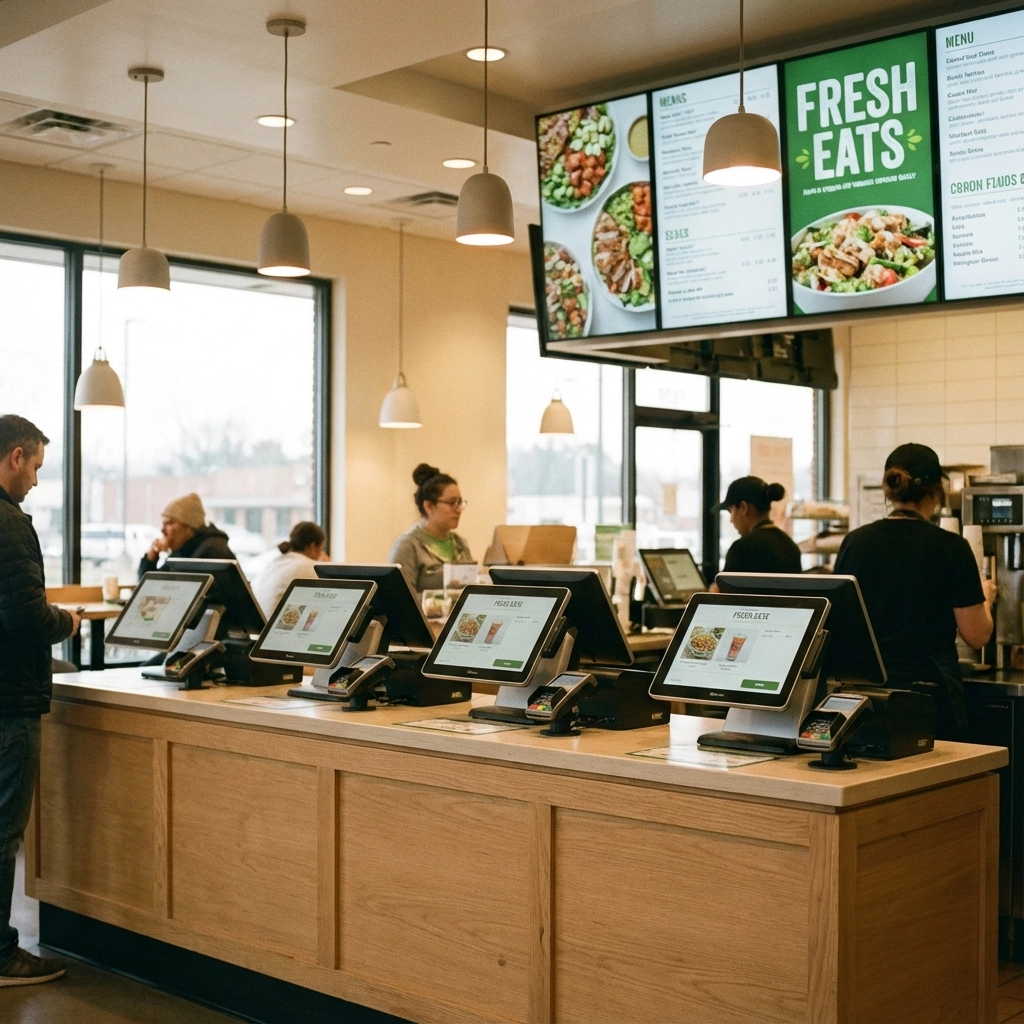
Modern quick service restaurants rely heavily on point-of-sale systems and digital payment processing. Cyber liability insurance protects against data breaches, ransomware attacks, and system failures that could disrupt operations.
Coverage includes notification costs, credit monitoring services, legal defense expenses, and business interruption losses resulting from cyber incidents. This protection becomes increasingly important as digital payment methods continue expanding.
Commercial Auto Coverage
Many quick service restaurants operate delivery services or use vehicles for business purposes. Commercial auto insurance covers company-owned vehicles and hired/non-owned auto protection for employee vehicle use.
This coverage addresses liability exposure from delivery operations and employee errands. Protection extends to cargo coverage for food products and equipment being transported for business purposes.
Liquor Liability Insurance
Franchises serving alcohol require specialized liquor liability coverage. This protection addresses claims stemming from alcohol-related incidents and overconsumption situations.
Coverage often includes assault and battery protection for locations where alcohol service may increase incident risks. The protection extends beyond direct service to include situations involving intoxicated customers on premises.
Employment Practices Liability
Quick service restaurants face significant employment-related exposures due to high turnover and diverse workforce demographics. Employment practices liability insurance protects against discrimination, harassment, and wrongful termination claims.
This coverage includes defense costs and settlements for employment-related lawsuits. Protection extends to claims from current employees, former employees, and job applicants.
Business Owners Policy Benefits
A Business Owners Policy combines property and general liability coverage into a streamlined package designed for restaurant operations. This approach provides comprehensive protection while simplifying policy management.
BOP coverage typically includes building improvements, contents protection, business income coverage, and equipment breakdown protection. The combined approach often provides better coordination between coverage types and simplified claims handling.
Coverage can be tailored to specific franchise operations while maintaining cost efficiency. Additional endorsements allow customization for unique operational characteristics and specific franchise requirements.
Implementation Strategy for Franchise Owners
Risk Assessment Process
Begin with a comprehensive risk assessment specific to your franchise location and operational characteristics. Consider factors such as location demographics, traffic patterns, local crime rates, and proximity to emergency services.
Evaluate franchise-specific risks including brand exposure, contractual requirements, and operational procedures mandated by the franchisor. This assessment forms the foundation for appropriate coverage selection.
Provider Selection Criteria
Choose insurance providers with restaurant industry expertise and Central Florida market knowledge. Specialists understand regional challenges and franchise-specific requirements that generic providers often overlook.
Look for providers offering same-day Certificate of Insurance service, as franchise operations frequently require quick documentation for landlords, vendors, and special events. Responsive service prevents operational disruptions.

Coverage Coordination
Ensure all coverage types work together effectively without gaps or unnecessary overlaps. Proper coordination prevents situations where claims fall between different policies or create coverage disputes.
Regular policy reviews help maintain appropriate coverage as franchise operations evolve. Changes in services, locations, or operational procedures may require coverage adjustments to maintain adequate protection.
Documentation and Compliance
Maintain current Certificates of Insurance and ensure all parties requiring additional insured status receive proper documentation. Keep franchise agreement insurance provisions readily accessible for reference during policy renewals.
Establish procedures for rapid certificate production when required by landlords, vendors, or event organizers. Quick documentation capabilities prevent delays in business operations and relationship management.
Long-Term Protection Strategy
Regular Policy Reviews
Schedule annual policy reviews to ensure coverage remains appropriate for current operations. Franchise expansions, menu changes, or service additions may require coverage adjustments.
Monitor franchise agreement changes that could affect insurance requirements. Franchisor modifications to insurance standards may necessitate policy updates to maintain compliance.
Risk Management Integration
Implement risk management procedures that complement insurance protection. Safety training, equipment maintenance, and operational procedures help prevent incidents while potentially reducing insurance requirements.
Document risk management efforts as they may provide premium advantages and demonstrate good faith efforts in claim situations. Consistent safety programs create safer working environments while supporting insurance relationships.
The complexity of quick service restaurant insurance in Central Florida requires specialized knowledge and comprehensive coverage approaches. Franchise owners benefit from working with experienced insurance professionals who understand both regional challenges and franchise-specific requirements.
Insurance Alliance LLC provides specialized restaurant insurance solutions for Central Florida franchise owners. Our team understands the unique challenges facing quick service restaurants in this region and can help structure comprehensive protection for your franchise investment.


Comments