
Florida Business Insurance: The 2026 Coverage Checklist Every Sunshine State Owner Needs
Florida business insurance is not one policy. It is a coordinated insurance program built around your operations, property, vehicles, contracts, employees, customers, technology, and exposure to severe weather.
A basic policy can leave serious gaps. A business may have general liability insurance but no protection for its tools away from the office. It may insure a building but overlook flood exposure. It may carry commercial auto insurance but fail to address employees using personal vehicles for business errands. It may purchase a business owners policy without confirming that the policy classification matches the actual operation.
That is not a technicality. It is a coverage problem.
This 2026 Florida business insurance checklist explains the principal coverages business owners should review, how those policies interact, and which operational details require specific attention. It applies to contractors, professional offices, retailers, service companies, manufacturers, property owners, and other small to midsized businesses operating in Florida.
For a business-specific review, begin with Florida Business Insurance from Insurance Alliance.
Florida Business Insurance Starts With an Exposure Map
Before selecting policies, document how the business operates. Insurance follows the exposure. If the exposure is incomplete or inaccurate, the insurance program may not respond as intended.
Build a written exposure map that includes:
Business name and legal entity structure
Primary and secondary business locations
Owned, leased, or occupied premises
Services performed at customer locations
Products sold, installed, repaired, or distributed
Business vehicles and trailers
Employees, independent contractors, and subcontractors
Tools, equipment, inventory, and materials
Customer property in the business’s care
Technology systems and stored information
Vendor and customer contracts
Lease and lender requirements
Outdoor property, storage yards, and temporary locations
Flood, windstorm, storm surge, and water exposure
Annual operational changes
The description should be specific. “Construction” is not a complete description. “Residential remodeling, interior build-outs, drywall installation, flooring installation, and limited exterior repairs” gives an insurance professional more useful underwriting information.
The same principle applies to every industry. A plumbing company that also performs excavation has a different risk profile from a plumbing company that only replaces fixtures. An HVAC contractor that installs commercial rooftop units has different equipment, vehicle, and completed-operations considerations from a technician who services residential systems.
The first checklist item is simple:
Confirm that the policy description matches the work actually performed.
Do not rely on a generic business label. Review the details.
1. Review Florida Legal, Contractual, and Licensing Requirements
Florida business insurance requirements can come from several sources. State law, local licensing authorities, professional regulators, landlords, lenders, general contractors, and customers may all impose insurance requirements.
The Florida Department of Financial Services small business guide explains that owners should evaluate property, business equipment, inventory, premises liability, operations, and completed operations. It also identifies commercial auto coverage as an important consideration for vehicles used in business activities.
Use the Florida Department of Financial Services Small Business Owners’ Insurance Guide as a general educational resource. It does not replace a review of the actual policy or current regulatory guidance.
Also review:
City and county occupational license requirements
Contractor licensing requirements
Building department requirements
Lease insurance provisions
Equipment lease requirements
Bank and lender conditions
Vendor agreements
General contractor contract terms
Customer purchase agreements
Certificate of insurance instructions
Additional insured wording
Waiver of subrogation requirements
Primary and noncontributory wording
Completed-operations requirements
A certificate of insurance shows certain policy information. It does not amend the policy. If a contract requires an endorsement, verify that the endorsement is actually attached or available under the policy terms.
This distinction matters. A certificate may list a party as an additional insured, but the underlying endorsement controls the scope of that status. The same applies to primary and noncontributory provisions, waiver of subrogation, and completed-operations protection.
2. General Liability Insurance: The Core Liability Layer
General liability insurance is a foundational part of Florida business insurance. It is designed to address certain third-party allegations involving bodily injury, property damage, personal injury, advertising injury, and related legal defense expenses.
It is not a universal business policy. It does not automatically cover every type of loss.
A Florida business should review general liability insurance for the following components.
Premises and Operations Liability
Premises liability addresses certain third-party injuries or property damage connected to the business location. Operations liability addresses risks created by the business’s work or services.
Examples include:
A visitor is injured at an office or retail location.
A technician accidentally damages a customer’s property.
A contractor causes physical damage while performing work.
A vendor alleges property damage caused by business operations.
A customer alleges that an advertising activity caused personal or reputational harm.
The policy language, exclusions, conditions, and endorsements determine whether a particular event is covered.
Products and Completed Operations
Businesses that manufacture, sell, distribute, install, or service products should review products and completed-operations exposure.
For contractors, completed operations is especially important. The work may be finished when a later allegation arises that the work caused property damage or bodily injury. The policy should reflect the services actually provided and the type of work performed.
A contractor’s liability program should not treat completed operations as an afterthought. It should be reviewed alongside:
Trade classification
Residential and commercial work
New construction and remodeling
Subcontracted work
Work performed below grade
Structural work
Equipment installation
Work involving customer property
Contractual liability provisions
Project-specific insurance requirements
Additional Insured Status
General contractors, property owners, landlords, and project managers often require additional insured status. The request may apply to ongoing operations, completed operations, or both.
Review the following:
Exact legal name of the additional insured
Ongoing operations endorsement
Completed operations endorsement
Scope of the written contract
Primary and noncontributory wording
Waiver of subrogation
Notice requirements
Whether the endorsement applies to all work or only a specific project
Do not assume that every additional insured request is identical. The contract language and endorsement wording must be reviewed together.
General Liability Exclusions to Examine
General liability insurance commonly contains exclusions for exposures that require separate policies or endorsements. Review exclusions involving:
Auto liability
Professional services
Cyber events
Flood
Pollution
Employee-related exposures
Damage to the insured’s own work
Damage to property in the insured’s care, custody, or control
Contractual obligations beyond covered liability
Design, engineering, or consulting services
High-risk or undisclosed operations
A general liability policy is important. It is not a substitute for commercial property insurance, commercial auto insurance, cyber liability insurance, flood insurance, or professional liability coverage where those exposures exist.
3. Commercial Property Insurance: Protect the Physical Operating Base
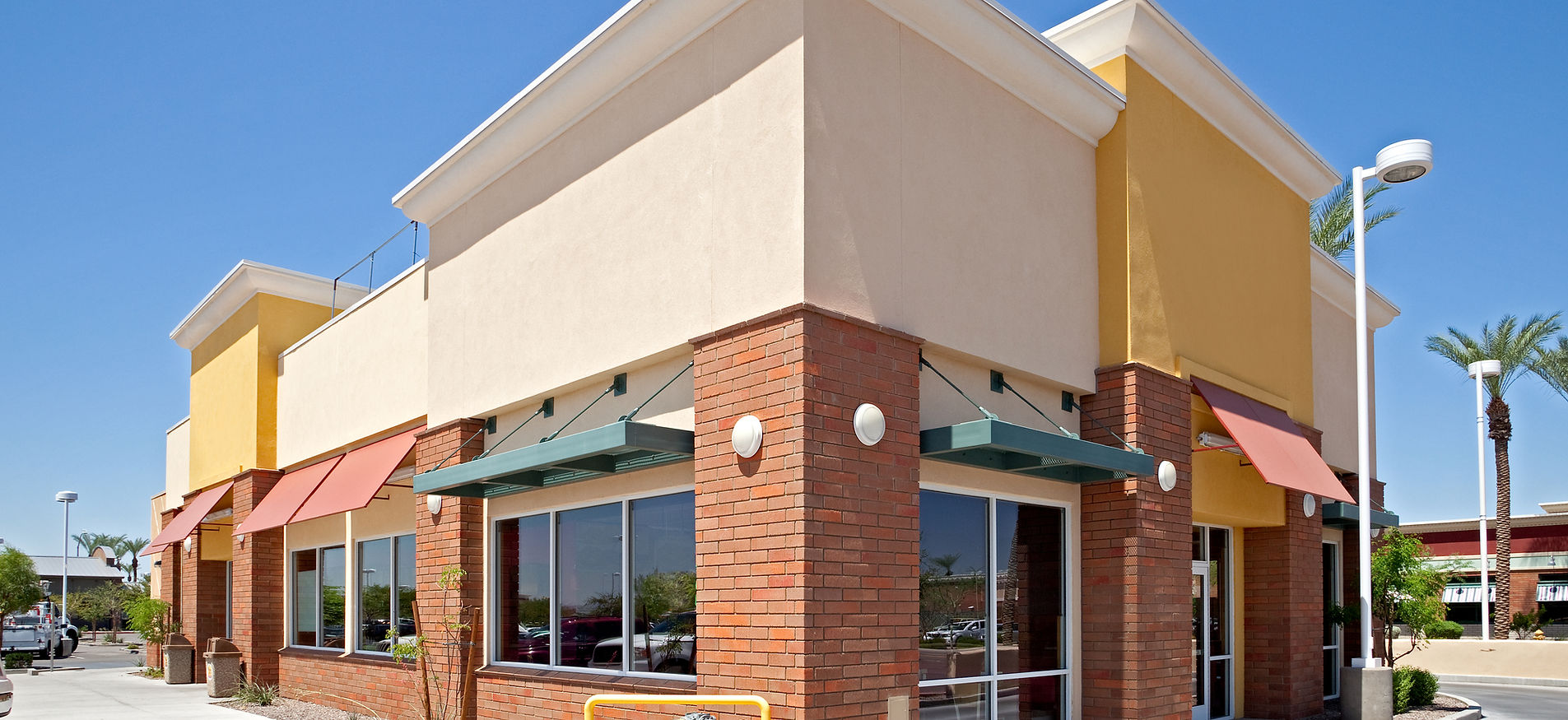
Florida commercial property insurance protects the physical assets that support business operations, subject to the policy’s covered causes of loss, limits, exclusions, and conditions.
A business does not need to own a building to need commercial property insurance. Tenants may own furniture, computers, inventory, equipment, tools, signs, fixtures, and tenant improvements.
Review these property categories.
Building Coverage
Building coverage may apply to owned commercial structures and certain permanently installed components. Review:
Main structure
Roof
Plumbing and electrical systems
Heating and cooling systems
Permanently installed fixtures
Interior finishes
Exterior signs
Fences and gates
Detached structures
Parking and site improvements
Tenant improvements required by lease
The policy should identify all insured locations. A second office, storage unit, warehouse, yard, or satellite facility may require separate scheduling or location-specific treatment.
Business Personal Property
Business personal property may include:
Office furniture
Computers and servers
Machinery
Tools kept at the premises
Inventory
Supplies
Fixtures
Point-of-sale equipment
Security systems
Specialized trade equipment
Documents and records
Signs and display property
Create an inventory by location. Include serial numbers, model numbers, purchase records, photographs, and descriptions of specialized equipment. This documentation supports accurate policy scheduling and helps establish what property the business owns.
Tenant Improvements and Betterments
A tenant may invest in walls, flooring, lighting, cabinetry, plumbing, electrical work, security systems, and other improvements. The lease may determine who bears responsibility for certain improvements.
Review:
Who owns the improvements
Who must repair them
Whether the lease requires insurance
Whether the improvements are included in the property limit
Whether the improvements are permanently installed
Whether the lease requires a landlord to be listed
Whether the business has restoration obligations
A tenant improvement gap can create a serious problem after damage to a leased location.
Business Income and Extra Expense
A covered property loss can interrupt operations even when the physical damage appears limited. Review business income and extra expense provisions where the business depends on a physical location.
Questions to ask include:
What event activates business income protection?
Does the policy apply only after direct physical damage?
What is the maximum restoration period?
Are temporary premises addressed?
Are relocation expenses included?
Are dependent properties covered?
Does the policy address utility service interruption?
Are payroll and ongoing operating expenses treated according to the policy terms?
Is the business able to continue partial operations?
Business income coverage is tied to the policy language. It does not automatically respond to every interruption.
Property Perils and Exclusions
Review whether the policy uses named-peril or broader open-peril wording. Then examine exclusions affecting Florida operations, including:
Flood
Storm surge
Windstorm
Hail
Water intrusion
Sewer or drain backup
Earth movement
Equipment breakdown
Utility interruption
Ordinance or law
Mold or fungi
Outdoor property
Unoccupied buildings
Vacancy conditions
Property in transit
Property at temporary locations
The phrase “water damage” is not enough. Water entering from a broken pipe, wind-driven rain, storm surge, surface water, and rising groundwater may be treated differently under the policy.
4. Business Owners Policy: Efficient, but Not Automatic
A business owners policy combines several commercial coverages into one package for eligible small businesses. A BOP commonly includes general liability insurance, commercial property insurance, and selected business income or supplemental coverages.
A BOP can be practical for an eligible office, retailer, service business, or lower-hazard contractor. It is not automatically appropriate for every Florida business.
Confirm BOP Eligibility
Review:
Business classification
Square footage
Building construction
Occupancy
Annual operations
Number of locations
Property values
Inventory
Equipment
Outdoor operations
Work performed away from the premises
Use of subcontractors
Vehicle exposure
Customer foot traffic
Product exposure
A BOP must reflect the actual operation. If the business expands from office consulting into field installation, the policy should be reviewed before the new service begins.
Understand What a BOP Does Not Automatically Include
A BOP typically does not automatically provide every coverage a business needs. Separate or additional coverage may be necessary for:
Commercial auto
Cyber liability
Flood
Professional liability
Contractor tools and mobile equipment
Pollution
Employment-related liability
Commercial bonds
Equipment breakdown
High-value inventory
Property at customer locations
A BOP is a starting structure. It is not a complete risk-management plan by default.
5. Flood Insurance: Separate the Water Question From the Property Question

Florida flood insurance deserves a separate review because standard commercial property insurance commonly excludes flood.
Flood exposure is not limited to properties directly on the coast. It can involve:
Storm surge
Overflow from canals, rivers, or lakes
Heavy rainfall
Surface water
Drainage failure
Rising groundwater
Water entering low-lying buildings
Flooding at storage yards
Flooding at warehouses
Flooding at temporary business locations
A business can be outside a high-risk flood zone and still face flood exposure. Flood mapping is an important reference, but it should not be the only factor in the analysis.
Review Commercial Flood Property
Consider whether the policy should address:
Building structure
Business contents
Inventory
Machinery
Electrical systems
Air-conditioning equipment
Furnaces and water heaters
Permanent fixtures
Finished areas
Storage areas
Outdoor equipment
Business records
Property located below grade
The policy form determines which property is eligible and under what conditions.
Review Business Interruption After Flood
Flood coverage and business income coverage are not automatically identical. Ask specifically whether the policy addresses:
Lost business income
Extra expense
Temporary relocation
Dependent property interruption
Cleanup and debris removal
Equipment replacement
Waiting periods
Coverage for contents
Coverage for property in basements or low areas
A business may have building and contents protection but no interruption protection. That distinction should be identified before a storm or water event occurs.
Review Flood Requirements From Lenders and Leases
Lenders may require flood insurance when a commercial property is used as collateral. A lease may also allocate responsibility for flood-related property damage or building repairs.
Review all documents for:
Required flood limits
Building and contents requirements
Lender or loss payee wording
Evidence of insurance
Waiting period provisions
Flood zone information
Tenant responsibility
Landlord responsibility
For official Florida vehicle insurance information, review the Florida Highway Safety and Motor Vehicles insurance requirements. For commercial property flood questions, use a licensed insurance professional to review the actual property, location, and policy form.
6. Commercial Auto Insurance: Match Vehicles to Business Use

Florida commercial auto insurance is designed for vehicles owned, leased, hired, or used in connection with business operations.
A personal auto policy may not be designed for regular commercial use, transporting tools, visiting multiple customer locations, carrying business equipment, or allowing employees to drive for company purposes.
Review every vehicle exposure.
Owned Vehicles
Schedule vehicles titled to the business, including:
Pickup trucks
Service vans
Box trucks
Utility vehicles
Trailers
Specialty vehicles
Company cars
Vehicles used for delivery
Vehicles used to transport tools or materials
The vehicle description should match the actual use.
Hired and Non-Owned Auto
Hired and non-owned auto coverage should be reviewed when:
The business rents vehicles
Employees use personal vehicles for company errands
Contractors use vehicles for business operations
Employees attend customer locations
Staff transport tools, documents, or equipment
The business does not own vehicles but has regular driving exposure
This coverage does not automatically insure every vehicle or every driver. Confirm the policy terms.
Physical Damage Protection
Review physical damage coverage for:
Collision
Theft
Vandalism
Fire
Weather-related damage
Glass damage
Attached equipment
Permanently installed tools
Customizations
Vehicle-mounted equipment
A commercial auto policy may not fully address specialized equipment mounted on or carried inside a vehicle. Those items may require separate property or inland marine treatment.
Driver and Vehicle Controls
Maintain a written vehicle program covering:
Driver authorization
Motor vehicle record review
Distracted driving
Seat belt use
Backing procedures
Vehicle inspections
Load security
Trailer use
Accident reporting
Personal use
Overnight storage
Key control
Vehicle maintenance
The insurance policy is only one part of the transportation risk program. Driver selection and vehicle controls matter.
7. Cyber Liability: Protect Data, Systems, and Digital Operations
A Florida business may rely on cloud software, electronic payments, customer portals, email, payroll systems, accounting platforms, and mobile applications. That creates cyber exposure even when the business does not consider itself a technology company.
Review cyber liability insurance for potential protection related to:
Data breaches
Unauthorized access
Ransomware
Malware
Business email compromise
Social engineering
Data restoration
Forensic investigation
Legal guidance
Notification obligations
Public relations support
Network interruption
Cyber extortion
Payment fraud
Privacy allegations
Cyber coverage is highly dependent on policy wording. Review first-party and third-party sections separately.
First-Party Cyber Protection
First-party coverage addresses the business’s own response and operational exposure. Review whether the policy includes:
Forensic technology services
Legal consultation
Notification services
Data restoration
System restoration
Network interruption
Temporary technology services
Cyber extortion response
Public relations support
Payment fraud sublimits
Third-Party Cyber Liability
Third-party protection addresses allegations from customers, vendors, or other parties involving privacy, security, or technology failures.
Review:
Privacy liability
Network security liability
Regulatory defense
Media liability
Payment card obligations
Vendor-related incidents
Cloud service incidents
Contractual technology obligations
Cybersecurity Controls
Many cyber policies require minimum controls. Confirm the business maintains:
Multifactor authentication
Offline or protected backups
Endpoint detection
Security updates
Password management
Email filtering
Vendor access controls
Employee security training
Incident response procedures
Executive approval for payment changes
Data retention controls
Do not complete a cyber application based on planned controls. The application and the actual environment should match.
8. Florida Contractor Insurance Must Follow the Trade
Contractors need more than a generic business insurance package. Jobsite exposures, customer property, tools, vehicles, completed operations, certificates, subcontractors, and contract requirements all require attention.
Insurance Alliance provides trade-specific resources for:
General Contractors
General contractors should review:
Premises and operations liability
Products and completed operations
Subcontractor risk transfer
Certificates of insurance
Additional insured wording
Contractual liability
Commercial auto
Tools and equipment
Materials in transit
Temporary storage
Jobsite property
Commercial property
Bonds
Umbrella liability
The general contractor’s insurance program must address both direct work and project management responsibilities.
HVAC, Plumbing, and Electrical Contractors
Mechanical and trade contractors should review the specific work performed. Important distinctions include:
Installation versus service work
Residential versus commercial projects
New construction versus repair
Work involving gas, refrigerant, water, or electrical systems
Rooftop or elevated equipment
Work inside occupied buildings
Customer property in the contractor’s care
Tools and diagnostic equipment
Mobile service vehicles
Completed operations
Subcontracted work
Use the trade-specific pages above to begin a focused review.
Artisan Contractors
Artisan contractors may operate as one-person businesses or small specialty teams. That does not eliminate liability exposure. An artisan contractor should review:
Hand tools
Portable equipment
Customer property
Work performed at multiple locations
Personal vehicle business use
Certificates
Subcontractors
Completed operations
Small equipment
Temporary storage
Contractual requirements
A small operation still needs a policy that accurately describes the work.
Landscaping and Concrete Contractors
Landscaping and concrete work can involve:
Heavy equipment
Trailers
Excavation
Property damage
Underground utilities
Outdoor storage
Materials in transit
Jobsite movement
Customer driveways and walkways
Irrigation systems
Retaining walls
Hardscape installations
Seasonal operations
Review general liability, commercial auto, equipment, inland marine, property, and completed operations together.
Remodeling, Flooring, Painting, and Handyman Businesses
Interior trades frequently work inside occupied premises and handle customer property. Review:
Damage to floors, walls, fixtures, and furnishings
Dust and debris
Water damage from installation or repair
Paint and coating applications
Flooring adhesives
Subcontractor involvement
Materials stored at customer locations
Tools left overnight
Work performed outside the original contract
Completed operations
Additional insured requests
The phrase “handyman” can cover many different services. List each service clearly. A business that performs carpentry, plumbing, electrical, roofing, and structural work should not rely on an overly broad or vague description.
9. Inland Marine for Tools, Equipment, and Materials
Commercial property insurance generally centers on property at a scheduled business location. Contractors and mobile service businesses often need protection for property that moves between offices, vehicles, storage areas, and jobsites.
Inland marine insurance may address eligible:
Tools
Contractor equipment
Installation materials
Equipment in transit
Equipment at temporary locations
Mobile machinery
Customer property
Specialized instruments
Jobsite equipment
Rental equipment
Review:
Where the property is located
How it is transported
Who owns it
Whether it is leased or rented
Whether it remains in the vehicle overnight
Whether employees or subcontractors use it
Whether the property is scheduled or blanket-covered
Whether theft controls are required
Whether property is covered at temporary locations
A contractor with a shop and several service vehicles may need both commercial property insurance and inland marine insurance. These coverages address different location and mobility issues.
10. Commercial Bonds and Contract Compliance
Some Florida contractors need commercial bonds for licenses, permits, bids, performance obligations, or payment obligations.
A bond is not the same as liability insurance. Insurance is designed to transfer certain risks to an insurer. A surety bond guarantees a specific obligation, and the bonded business may remain responsible to the surety under the bond agreement.
Review:
Bond type
Obligee
Bond amount
Effective date
Renewal requirements
License connection
Contract requirements
Financial information
Indemnity agreements
Required documentation
Coordinate bonds with the contractor’s insurance program. A project may require both a bond and specific liability insurance endorsements.
11. The 2026 Annual Florida Business Insurance Review
Review the insurance program at least annually and whenever the business changes.
Use this checklist:
Business Operations
Did the business add a new service?
Did the business stop performing a service?
Did the business begin serving new industries?
Did the business start working on larger projects?
Did the business expand into new locations?
Did the business begin using subcontractors?
Did the business begin selling or installing products?
Property
Did the business purchase equipment?
Did inventory change?
Did the business remodel?
Did the business add tenant improvements?
Did the business purchase or lease a building?
Did the business add a warehouse or storage unit?
Did the business begin storing materials outdoors?
Did the business add property at customer locations?
Vehicles
Were vehicles purchased, sold, or leased?
Were trailers added?
Were new drivers authorized?
Did employees begin using personal vehicles?
Did delivery or transportation activity change?
Did the business add vehicle-mounted equipment?
Did the service territory expand?
Contracts
Did the business sign a new lease?
Did a lender request updated evidence of insurance?
Did a general contractor require new endorsements?
Did a customer require additional insured status?
Did a contract require completed-operations protection?
Did a project require a bond?
Did the business accept a contract with unusual indemnity language?
Technology
Did the business adopt new software?
Did it begin storing more personal information?
Did it add online payments?
Did employees receive remote access?
Did a vendor gain access to business systems?
Is multifactor authentication active?
Are backups protected from network access?
Florida Weather and Flood Exposure
Is the business located near water?
Is property stored on the ground level?
Is equipment kept outdoors?
Does the building have below-grade areas?
Are flood and storm surge exclusions understood?
Are building and contents addressed separately?
Is business income after flood specifically reviewed?
12. What to Bring to a Florida Business Insurance Review
An insurance professional can provide better guidance when the business supplies accurate operational information.
Prepare:
Current policies
Certificates of insurance
Lease agreements
Customer and contractor contracts
Vehicle list
Driver list
Equipment inventory
Property inventory
Building details
Location information
Business entity documents
Service descriptions
Subcontractor agreements
Technology vendor list
Cybersecurity controls
Flood zone information
Lender requirements
Bond requirements
Be direct about the work performed. Disclose subcontracting, temporary locations, customer property, equipment transport, and new services.
The strongest insurance review is based on the actual business, not the business the owner expects to operate later.
Final Florida Business Insurance Checklist
Before finalizing a 2026 Florida business insurance program, confirm that the business has reviewed:
Florida business insurance requirements
General liability insurance
Premises and operations liability
Products and completed operations
Additional insured requirements
Commercial property insurance
Building and business personal property
Tenant improvements
Business income and extra expense
Business owners policy eligibility
Flood insurance
Commercial auto insurance
Hired and non-owned auto
Mobile tools and equipment
Inland marine insurance
Cyber liability insurance
Commercial bonds
Contractor-specific classifications
Contracts and certificates
Location schedules
Vehicle schedules
Annual operational changes
A business owners policy may be an appropriate foundation. It may not be the entire program. A general liability policy may satisfy a contract. It may not protect buildings, vehicles, flood-exposed contents, digital systems, or mobile equipment.
The correct approach is layered and specific.
Insurance Alliance helps businesses in Florida review commercial insurance needs, identify coverage gaps, and coordinate policies with the way the business operates. The agency works with financially stable insurance companies and provides guidance for contractors, service businesses, professional offices, retailers, and other Florida businesses.
Review your program before the next contract, location, vehicle, employee, service, or weather event changes the exposure.
Insurance Alliance LLC Serving Florida, Texas, Washington, Arizona, and Idaho www.theinsalliance.com
Frequently Asked Questions
What is Florida business insurance?
Florida business insurance is a coordinated set of commercial policies designed to address a company’s liability, property, vehicle, cyber, flood, equipment, and contractual exposures. The correct structure depends on the business’s industry, locations, services, property, and operations.
What is included in a business owners policy?
A business owners policy commonly combines general liability insurance, commercial property insurance, and selected business income or supplemental coverages for eligible businesses. Commercial auto, flood, cyber liability, professional liability, and mobile equipment may require separate policies or endorsements.
Does general liability insurance cover business property?
Generally, general liability insurance is designed for certain third-party bodily injury, property damage, personal injury, advertising injury, and legal defense exposures. Business property usually requires commercial property insurance or another property-specific policy.
Does commercial property insurance cover flood?
Standard commercial property insurance commonly excludes flood. A Florida business should review a separate flood policy or applicable flood endorsement and confirm whether building, contents, equipment, and business interruption needs are addressed.
Does personal auto insurance cover business use in Florida?
Coverage depends on the policy and the nature of the business use. Regular business driving, transporting tools, visiting customer locations, delivery activity, and vehicles owned by a company commonly require commercial auto insurance review.
What insurance do Florida contractors typically review?
Contractors commonly review general liability insurance, commercial auto insurance, commercial property insurance, inland marine insurance, commercial bonds, umbrella liability, cyber liability, and trade-specific endorsements. The appropriate combination depends on the contractor’s work, equipment, vehicles, contracts, and locations.
How often should a Florida business review its insurance?
Review the program at least annually and whenever the business adds services, locations, vehicles, equipment, employees, subcontractors, contracts, technology systems, or property. A review is also appropriate before beginning a large project or signing a new lease.


Comments