
Business Owners Policy vs Cyber Liability: Which Is Better For Your Restaurant's Hidden Risks in 2025?
- marketing676641
- Dec 9, 2025
- 5 min read
Restaurant owners face a critical decision when selecting insurance coverage for their operations. Business Owners Policy and cyber liability insurance address fundamentally different risk categories. Understanding which coverage protects against specific restaurant hazards helps owners make informed protection decisions.
Modern restaurant operations create multiple exposure points. Traditional operational risks continue threatening establishments while digital vulnerabilities emerge as serious concerns. The question isn't simply choosing between these coverage types: it's understanding how each addresses distinct restaurant risks.
Business Owners Policy Coverage for Restaurants
Business Owners Policy bundles essential commercial protections into a single package. This comprehensive approach addresses core operational risks that restaurants face daily.
The policy combines general liability protection, commercial property insurance, and business income coverage. General liability protects against third-party injury claims from customers who experience accidents on restaurant premises. Commercial property coverage protects physical assets including kitchen equipment, furniture, inventory, and tenant improvements.
Business income coverage replaces lost revenue when covered property damage forces temporary closure or reduces operating capacity. This protection covers ongoing expenses like payroll and rent during restoration periods.
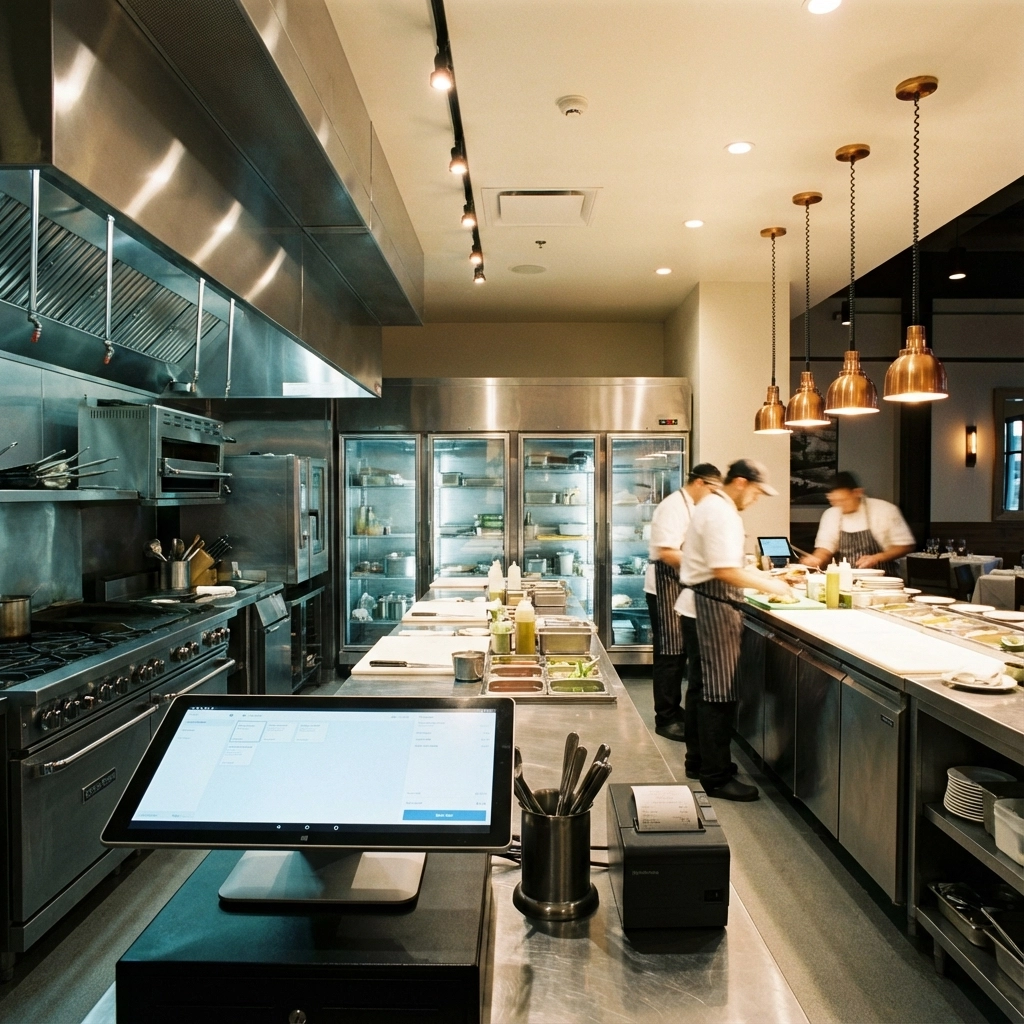
Restaurant-specific coverages often included in Business Owners Policies address unique industry exposures. Food contamination coverage replaces spoiled inventory when refrigeration systems fail. Equipment breakdown coverage addresses mechanical failures that can shut down kitchen operations. Liquor liability protection covers claims related to alcohol service.
The integrated structure of Business Owners Policy provides streamlined management for multiple coverage needs. Restaurant owners deal with one carrier and one policy for their foundational commercial protections.
Coverage Strengths:
Protects physical assets and equipment
Covers customer injury liability
Replaces lost business income from property damage
Includes restaurant-specific coverages
Streamlines policy management
Coverage Limitations:
Does not address cyberattacks or data breaches
No protection for digital asset compromise
Limited coverage for technology-related business interruption
Does not cover ransomware demands
Cyber Liability Insurance for Restaurant Operations
Cyber liability insurance protects restaurants from costs related to cyberattacks and data breaches. This specialized coverage addresses digital security risks that traditional commercial policies exclude.
Modern restaurants store customer payment information through point-of-sale systems and online ordering platforms. This data creates attractive targets for cybercriminals. Cyber liability insurance provides first-party coverage that helps restaurants recover after hackers access sensitive customer information.
The policy covers data breach investigations, data recovery expenses, and notification costs to affected customers. Credit monitoring services required by state breach notification laws receive coverage. Ransomware extortion demands and related recovery costs fall under cyber liability protection.
Cyber liability insurance also addresses business interruption caused by cyberattacks. When ransomware forces temporary closure of digital systems, this coverage can replace lost revenue during the recovery period.
Coverage Strengths:
Protects against data breach response costs
Covers ransomware recovery expenses
Addresses state notification requirements
Includes cyber-related business interruption
Provides specialized incident response services
Coverage Limitations:
No protection for physical property damage
Does not cover customer injury liability
Limited coverage for non-cyber business interruption
No equipment breakdown protection
Risk Comparison Analysis
Understanding which risks each policy addresses helps restaurant owners identify coverage gaps and priorities.
Risk Category | Business Owners Policy | Cyber Liability Insurance |
Customer slip-and-fall injuries | Complete coverage | No coverage |
Kitchen equipment breakdown | Included coverage | No coverage |
Food contamination losses | Specialized coverage | No coverage |
Fire or weather damage | Complete coverage | No coverage |
Data breach response | No coverage | Complete coverage |
Ransomware attacks | No coverage | Complete coverage |
POS system compromise | No coverage | Complete coverage |
Online ordering platform hack | No coverage | Complete coverage |
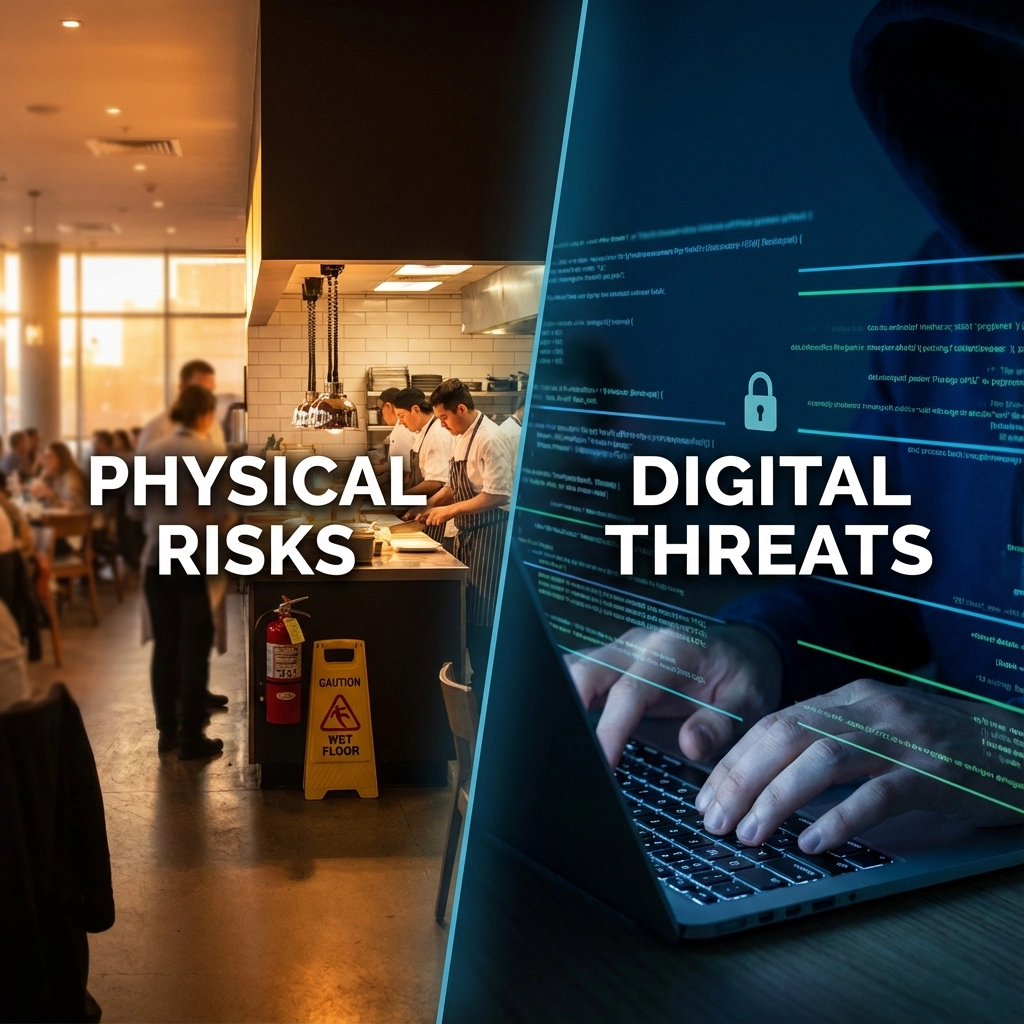
Hidden Restaurant Risks in 2025
Restaurant operations create exposure points that owners often overlook. These hidden risks require specific coverage approaches.
Digital payment processing creates cyber vulnerabilities that traditional commercial policies do not address. Customer credit card information stored in point-of-sale systems attracts cybercriminal attention. Online ordering platforms and delivery app integrations expand digital attack surfaces.
Physical operations generate liability exposures beyond obvious slip-and-fall risks. Equipment failures can cause business interruption lasting weeks. Food contamination incidents may require extensive cleanup and inventory replacement.
Third-party vendor relationships create additional exposure points. Cloud-based reservation systems, payment processors, and delivery platforms may experience breaches affecting restaurant customer data. These incidents can trigger notification requirements and customer protection obligations.
Coverage Recommendations by Restaurant Type
Different restaurant operations require specific coverage approaches based on their risk profiles and operational characteristics.
Full-Service Restaurants: Full-service establishments need comprehensive protection addressing both traditional and digital risks. Business Owners Policy provides foundational coverage for property, liability, and business income exposures. Adding cyber liability coverage addresses payment processing and customer data risks.
The combination approach ensures protection against kitchen equipment failures, customer injuries, and data breaches. Full-service restaurants typically maintain extensive customer databases and process significant payment card transactions.
Quick-Service Restaurants: Quick-service operations rely heavily on point-of-sale systems and digital payment processing. Business Owners Policy addresses equipment breakdown risks and customer liability exposures. Cyber liability coverage becomes essential given the high volume of payment card transactions.
Quick-service establishments often integrate with multiple delivery platforms, expanding their digital footprint and cyber risk exposure.

Casual Dining Establishments: Casual dining restaurants combine elements of full-service and quick-service operations. Business Owners Policy protects against traditional operational risks while cyber liability coverage addresses digital payment and customer data exposures.
These establishments often feature wine and beer service, making liquor liability coverage within Business Owners Policy particularly valuable.
Specialty Food Operations: Specialty food operations like smoothie shops or bakeries may have unique equipment dependencies and customer data collection practices. Business Owners Policy addresses specialized equipment risks while cyber liability coverage protects customer information collected through loyalty programs and online ordering.
Technology Integration Considerations
Modern restaurant technology creates new insurance considerations. Point-of-sale systems connect to payment networks, creating cyber vulnerability points. Online ordering platforms collect customer personal and payment information.
Mobile apps and loyalty programs generate extensive customer databases. Cloud-based management systems store operational and customer data. Each technology integration creates potential cyber exposure points requiring specialized coverage.
Business Owners Policy does not address these digital risks. Cyber liability insurance specifically targets technology-related exposures that traditional commercial policies exclude.
Coverage Implementation Strategy
Restaurant owners benefit from layered coverage approaches rather than choosing between individual policies. Business Owners Policy provides foundational protection for traditional operational risks. Adding cyber liability coverage addresses emerging digital threats.
This combination strategy ensures comprehensive protection without coverage gaps. Restaurant owners avoid choosing between essential protections by implementing both coverage types.
Some carriers offer cyber liability as an endorsement to Business Owners Policy, simplifying policy management while maintaining comprehensive protection. Standalone cyber liability policies may provide broader coverage for restaurants with extensive digital operations.
Industry-Specific Risk Factors
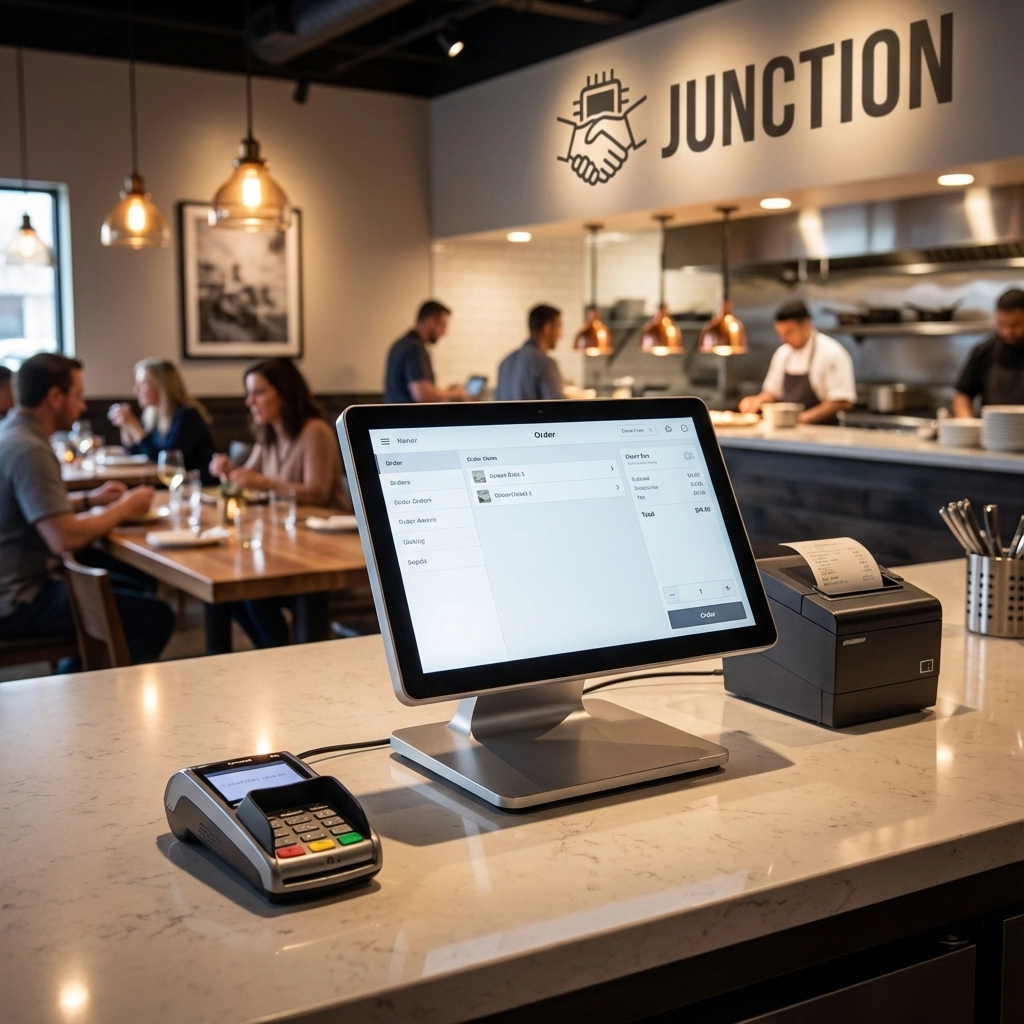
Restaurant operations create unique risk combinations requiring specialized coverage approaches. Food service involves customer interaction, equipment operation, and data processing: each generating distinct liability exposures.
Kitchen operations depend on complex equipment systems prone to breakdown. Customer service areas create slip-and-fall and other liability risks. Payment processing and customer data collection generate cyber vulnerabilities.
Understanding these interconnected risks helps restaurant owners select appropriate coverage combinations rather than relying on single policy approaches.
Coverage Decision Framework
Restaurant owners should evaluate their specific risk exposures when selecting coverage approaches. Establishments with significant equipment investments benefit from Business Owners Policy property protections. Operations processing extensive customer payment data require cyber liability coverage.
Most modern restaurants need both coverage types to address their complete risk profiles. The decision framework focuses on coverage combinations rather than choosing between individual policies.
Business Owners Policy addresses traditional restaurant risks while cyber liability coverage protects against emerging digital threats. Together, these policies provide comprehensive protection for modern restaurant operations.
Insurance Alliance LLC helps restaurant owners navigate coverage decisions and implement appropriate protection strategies. Our expertise in commercial insurance ensures restaurants receive comprehensive coverage addressing their specific operational risks and industry exposures.
Comments