
Bid Bonds for Contractors: What Florida, Texas, Arizona, Idaho, and Washington Contractors Need to Know
- marketing676641
- Dec 11, 2025
- 5 min read
Bid bonds serve as essential financial security instruments in the construction industry. Contractors across Florida, Texas, Arizona, Idaho, and Washington encounter bid bond requirements when pursuing public and private projects. Understanding these requirements protects your business and demonstrates financial responsibility to project owners.
What Are Bid Bonds
Bid bonds represent a type of surety bond that guarantees a contractor will enter into a contract at their bid price if awarded the project. The bond protects project owners from contractors who submit low bids but fail to honor their commitments. When a contractor defaults on their winning bid, the bond compensates the project owner for the difference between the defaulting contractor's bid and the next lowest bid.

These bonds involve three parties: the principal (contractor), the obligee (project owner), and the surety (bonding company). The surety company evaluates the contractor's financial stability, work history, and capacity to complete projects before issuing the bond. This evaluation process ensures only qualified contractors participate in the bidding process.
Why Contractors Need Bid Bonds
Project owners require bid bonds to eliminate frivolous bids and ensure serious contractors participate in the bidding process. Without bid bonds, unqualified contractors could submit unrealistic low bids with no intention of performing the work. This practice wastes time and resources for all parties involved.
Bid bonds demonstrate a contractor's financial credibility and commitment to the project. The bond requirement creates a screening process that separates established contractors from those lacking the necessary resources or experience. This screening benefits both project owners and qualified contractors by creating fair competition.
Many public projects mandate bid bonds as part of the procurement process. Government agencies use these bonds to protect taxpayer funds and ensure projects proceed smoothly. Private developers often adopt similar requirements to protect their investments and maintain project timelines.
The Bid Bond Process
The bid bond process begins when project owners include bonding requirements in their bid specifications. Contractors must obtain and submit valid bid bonds along with their project proposals. The bond amount typically represents a percentage of the total bid amount, commonly ranging from five to twenty percent.

When contractors submit their bids, they include the bid bond as proof of their commitment. If awarded the project, the contractor must proceed with the work at the bid price and secure performance and payment bonds. The bid bond becomes void once the contractor enters into the contract and provides the required performance bonds.
If a contractor fails to honor their winning bid, the surety company becomes liable for the bond amount. The project owner can claim compensation up to the bond limit, which covers additional costs incurred from awarding the project to the next lowest bidder.
Project Security and Compliance Benefits
Bid bonds provide multiple layers of security for construction projects. They ensure contractors have the financial backing necessary to complete awarded work. This requirement reduces the risk of project delays caused by contractor defaults or financial difficulties.
The bonding process includes thorough evaluation of contractors' qualifications, creating an additional compliance check. Surety companies examine contractors' financial statements, work history, and current project capacity. This evaluation supplements the project owner's due diligence process.
Bid bonds also promote fair competition by establishing minimum qualification standards. Only contractors who can secure bonding participate in the bidding process, creating a more level playing field. This requirement protects both project owners and qualified contractors from unfair competition.
State-Specific Requirements
Florida
Florida operates two divisions for general contractors with distinct bonding requirements. Division I contractors must maintain bonds of at least $20,000, while Division II contractors require minimum bonds of $10,000. These requirements apply to general contractor licensing but may influence bid bond requirements on specific projects.
Florida contractors should verify local and project-specific bid bond requirements with each jurisdiction. Municipal and county governments may impose additional bonding requirements beyond state minimums. Private projects may also include specific bonding provisions in their contract documents.
Texas
Texas delegates bonding requirements to individual municipalities and cities where contractors perform work. Each jurisdiction establishes its own licensing and bonding requirements for contractors operating within their boundaries. This decentralized approach requires contractors to research requirements for each location.
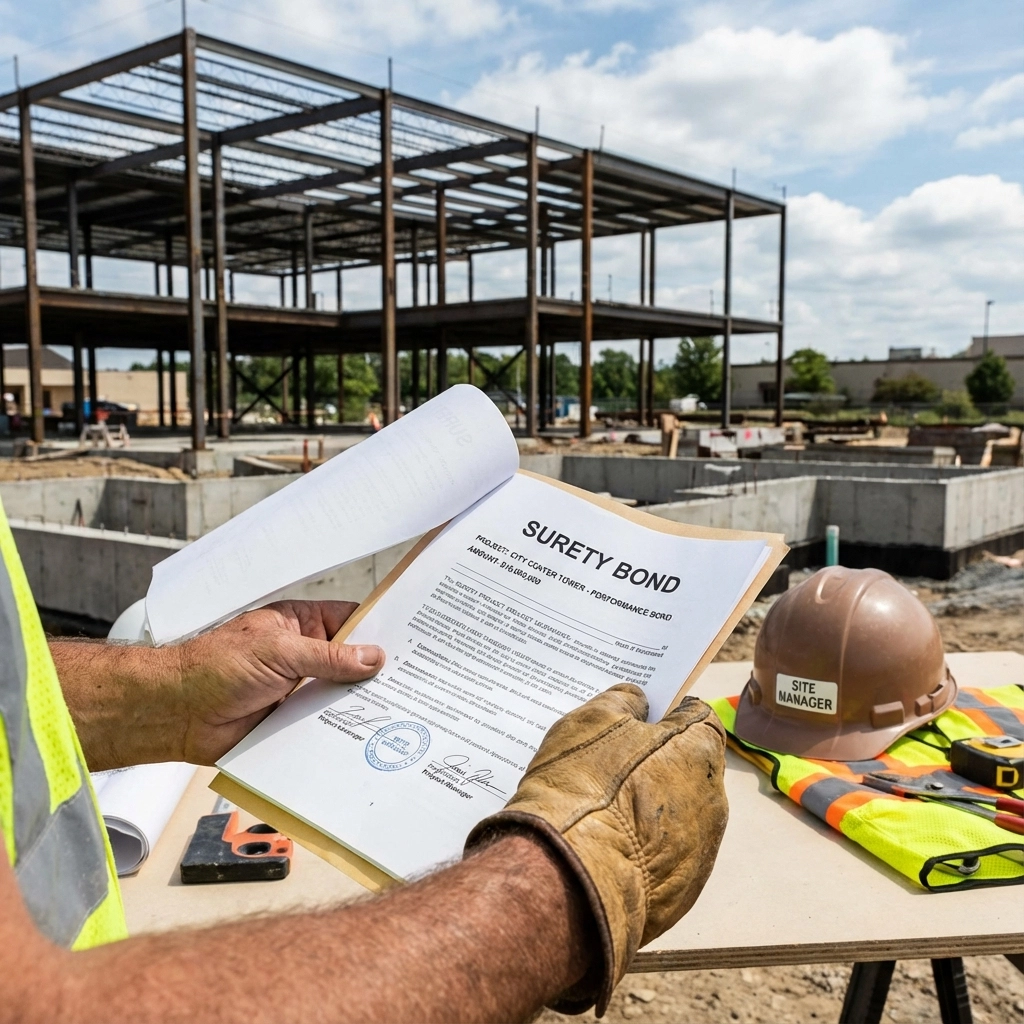
Texas contractors must verify bid bond requirements with the specific agency or organization issuing the project. State agencies, municipal governments, and private developers may all have different bonding requirements. Contractors should review bid documents carefully to understand specific bond obligations.
Arizona
Arizona accepts bid bonds as part of construction project requirements. When bid bonds are required, project owners do not accept bids from contractors without valid bonds. This policy ensures all participating contractors have demonstrated financial capability through the bonding process.
Arizona's "Little Miller Act" requires performance and payment bonds for most public projects at city, county, and state levels. These bonds must equal the full contract amount and provide additional security beyond the initial bid bond. General contractor licensing in Arizona includes bonding requirements that vary based on project value.
Idaho and Washington
Idaho and Washington contractors should consult with local building departments and state licensing boards for specific bid bond requirements. These states may have varying requirements depending on project type, size, and jurisdiction. Public agencies and private developers may impose different bonding standards.
Contractors operating in multiple jurisdictions within these states should verify requirements for each location. State agencies, counties, and municipalities may all have distinct bonding requirements for their projects.
Obtaining Bid Bonds
The bid bond application process requires contractors to provide detailed financial and operational information to surety companies. This information includes financial statements, work-in-progress schedules, and references from previous clients. Surety companies use this information to evaluate the contractor's ability to complete bonded work.
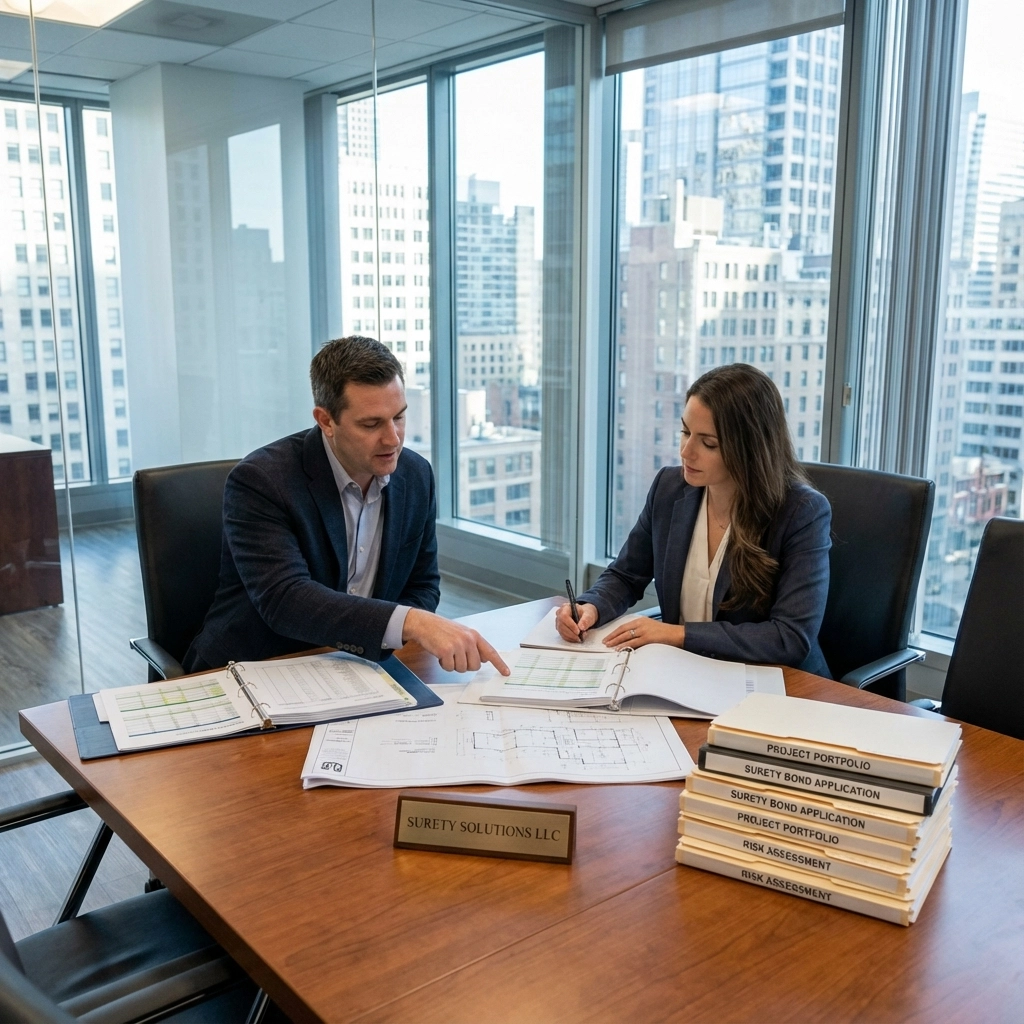
Contractors should establish relationships with surety companies before needing bonds. This relationship-building process allows surety companies to become familiar with the contractor's operations and financial position. Established relationships often result in faster bond issuance and better terms.
The underwriting process examines three critical factors: the contractor's character, capacity, and capital. Character refers to the contractor's reputation and track record of completing projects successfully. Capacity involves the contractor's technical ability and management systems. Capital represents the contractor's financial resources and working capital position.
Working with Surety Partners
Successful contractors develop long-term relationships with surety companies and agents. These partnerships provide ongoing support for bonding needs and help contractors understand surety requirements. Regular communication with surety partners ensures contractors maintain bondability as their business grows.
Surety companies prefer working with contractors who demonstrate consistent profitability, strong management systems, and adequate capitalization. Maintaining these characteristics helps contractors secure bonding capacity for larger and more complex projects. Regular financial reporting and project updates strengthen these relationships.
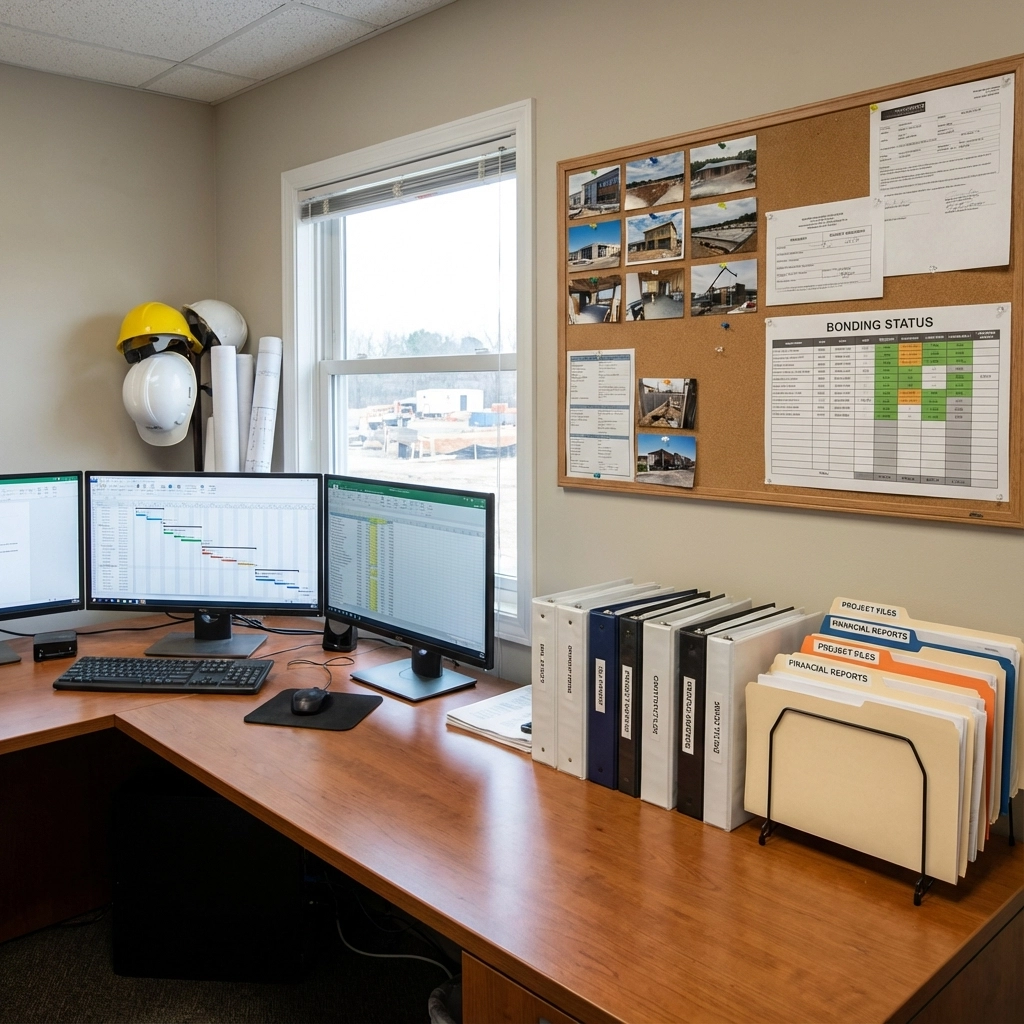
Contractors should provide surety companies with regular updates about their business operations, financial position, and project portfolio. This transparency builds trust and helps surety companies make informed decisions about bonding capacity. Surprise developments or financial changes can negatively impact bonding relationships.
Compliance and Documentation
Proper documentation supports the bid bond application process and ongoing surety relationships. Contractors must maintain accurate financial records, project files, and compliance documentation. This information demonstrates professional management practices and supports bonding applications.
Regular audited financial statements provide surety companies with reliable information about contractor performance. These statements should follow generally accepted accounting principles and provide clear insight into the contractor's financial position. Quarterly or annual updates help maintain current bonding capacity.
Project documentation should include contracts, change orders, progress reports, and completion certificates. This documentation demonstrates the contractor's ability to manage projects successfully and provides evidence of work quality. Maintaining organized project files supports future bonding applications and capacity increases.
Insurance Alliance LLC helps contractors across Florida, Texas, Arizona, Idaho, and Washington understand and secure appropriate bonding coverage. Our experienced team provides guidance on bid bond requirements and connects contractors with qualified surety partners to support their business growth and project pursuits.
Comments