
Why Everyone Is Talking About Telematics in Commercial Auto Insurance (And Restaurant Owners Should Too)
Telematics technology represents a fundamental shift in commercial auto insurance coverage evaluation and risk management. Restaurant owners operating delivery vehicles, catering trucks, or company fleets need to understand how this technology enhances their coverage options and operational security.
Understanding Telematics Technology in Commercial Insurance
Telematics devices collect real-time data about vehicle operation, driver behavior, and fleet performance. These systems monitor speed patterns, braking habits, acceleration behaviors, route efficiency, and vehicle maintenance needs. Insurance providers use this data to create comprehensive risk profiles and customize coverage options.
The technology transforms traditional insurance approaches by providing continuous monitoring rather than relying solely on historical data. This real-time assessment creates more accurate risk evaluations and enables proactive safety management for commercial operations.
Modern telematics systems integrate GPS tracking, onboard diagnostics, and driver behavior analysis into comprehensive monitoring platforms. These platforms provide detailed insights into fleet operations while supporting enhanced coverage options and risk mitigation strategies.

Commercial Auto Coverage Enhancement Through Data
Telematics data enables insurance providers to offer specialized coverage options tailored to specific operational patterns. Restaurant businesses benefit from coverage that reflects their actual risk exposure rather than industry-wide assumptions.
The technology supports enhanced liability coverage by providing detailed incident documentation and driver behavior verification. This documentation proves valuable when establishing coverage parameters and evaluating risk exposure levels.
Fleet managers gain access to comprehensive safety data that supports improved coverage options and risk management protocols. This data-driven approach enables more precise coverage allocation across different vehicle types and operational requirements.
Restaurant Industry Applications and Benefits
Restaurant operations present unique commercial auto insurance challenges. Delivery drivers navigate varied traffic conditions, work during peak hours, and interact with numerous customers daily. Telematics technology addresses these specific operational risks through continuous monitoring and behavior analysis.
Delivery fleet management becomes more sophisticated with telematics integration. Restaurant owners can monitor driver safety patterns, route efficiency, and vehicle maintenance requirements in real-time. This monitoring supports enhanced safety protocols and improved coverage alignment.
Catering operations benefit from specialized tracking capabilities that monitor vehicle performance during extended trips and equipment transportation. The technology provides detailed operational data that supports comprehensive coverage options for off-site events and specialty services.

Risk Management and Safety Protocol Integration
Telematics systems enable proactive risk management through early warning systems and behavior monitoring. Restaurant fleet managers can identify potential safety issues before they result in incidents or coverage complications.
Driver training programs become more effective when supported by detailed performance data. Telematics information helps identify specific areas where drivers need additional training or support, improving overall fleet safety and coverage compliance.
Vehicle maintenance scheduling becomes more precise with telematics monitoring. The technology tracks vehicle performance indicators and maintenance needs, supporting preventive care programs that reduce breakdown risks and maintain coverage compliance.
Fleet Monitoring and Operational Security
Real-time fleet monitoring provides restaurant owners with comprehensive oversight of their mobile operations. This monitoring capability enhances security protocols and supports effective coverage management across multiple vehicles and operational areas.
Vehicle theft protection improves significantly with telematics integration. The technology provides immediate notification of unauthorized vehicle use and precise location tracking for recovery efforts. This enhanced security supports specialized coverage options for high-value vehicles and equipment.
Emergency response capabilities become more efficient with telematics systems. Automatic crash detection and emergency notification features ensure rapid response to incidents, supporting both safety protocols and coverage documentation requirements.
Driver Behavior Analysis and Safety Enhancement
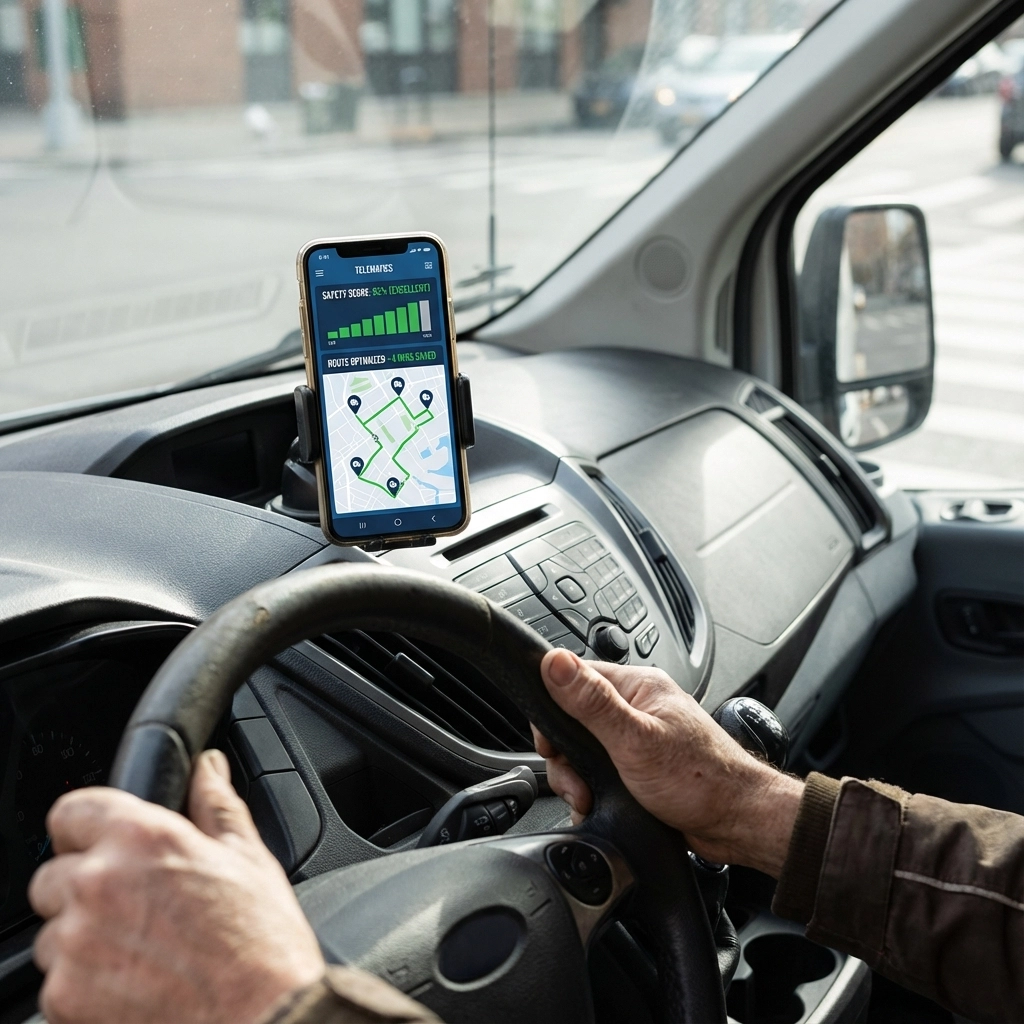
Comprehensive driver behavior analysis helps restaurant operators identify safety patterns and improvement opportunities. Telematics systems monitor acceleration, braking, cornering, and speed compliance to create detailed safety profiles.
Safety coaching programs benefit from objective performance data rather than subjective observations. Restaurant managers can provide targeted training based on specific behavioral patterns and safety metrics, improving overall fleet safety performance.
Compliance monitoring ensures drivers maintain required safety standards and follow established protocols. This monitoring supports coverage compliance requirements and demonstrates commitment to operational safety standards.
Technology Integration with Existing Systems
Modern telematics platforms integrate seamlessly with existing fleet management and point-of-sale systems. Restaurant operators can incorporate vehicle monitoring data with scheduling, routing, and customer management systems for comprehensive operational oversight.
Mobile applications provide managers with real-time access to fleet performance data and safety alerts. These applications enable immediate response to safety concerns and support effective coverage management from any location.
Reporting capabilities allow restaurant owners to generate detailed performance analyses and safety documentation. These reports support coverage discussions with insurance providers and demonstrate commitment to operational excellence.
Implementation Considerations for Restaurant Operations
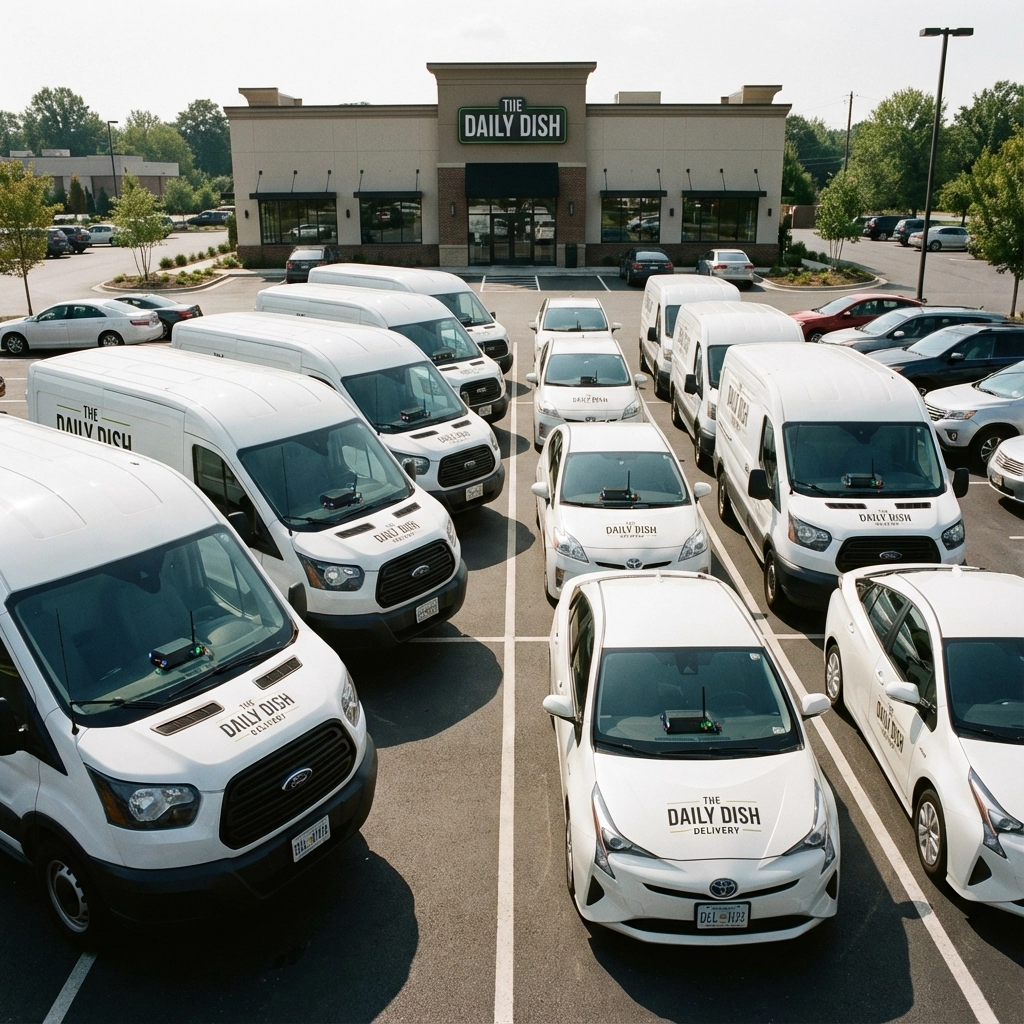
Successful telematics implementation requires careful consideration of operational requirements and coverage objectives. Restaurant owners should evaluate their specific fleet needs, driver training requirements, and integration capabilities before selecting telematics solutions.
Device selection varies based on vehicle types, operational patterns, and monitoring requirements. Different telematics devices offer varying capabilities, from basic GPS tracking to comprehensive behavior analysis and maintenance monitoring.
Driver acceptance and training play crucial roles in successful implementation. Restaurant operators should communicate the benefits of telematics monitoring and provide adequate training to ensure effective adoption and compliance.
Coverage Documentation and Compliance Support
Telematics systems provide detailed documentation that supports coverage evaluations and compliance requirements. This documentation includes driving patterns, safety performance, and incident details that enhance coverage discussions with insurance providers.
Regulatory compliance becomes more manageable with automated monitoring and reporting capabilities. Telematics systems can track hours of service, route compliance, and safety protocol adherence to support regulatory requirements.
Audit support improves through comprehensive data collection and reporting capabilities. Restaurant operators can provide detailed operational data during coverage reviews and compliance audits, demonstrating commitment to safety and risk management.

Future Developments in Commercial Auto Technology
Advanced telematics capabilities continue evolving with artificial intelligence integration and predictive analytics. These developments will enhance risk assessment capabilities and provide more sophisticated coverage options for restaurant operations.
Connected vehicle technologies promise deeper integration between vehicles, infrastructure, and monitoring systems. Restaurant fleet operations will benefit from enhanced communication capabilities and improved safety protocols.
Autonomous vehicle integration represents a significant future development for commercial operations. While full automation remains in development, telematics systems will play crucial roles in managing mixed fleets of traditional and autonomous vehicles.
Professional Guidance for Implementation
Insurance Alliance LLC provides comprehensive guidance for restaurant owners evaluating telematics integration and enhanced commercial auto coverage options. Our expertise helps businesses select appropriate technology solutions and optimize their coverage strategies.
Restaurant operators benefit from professional consultation that considers their specific operational requirements and coverage objectives. We assist with technology evaluation, implementation planning, and ongoing coverage optimization to ensure maximum operational benefits.
Contact Insurance Alliance LLC to discuss how telematics technology can enhance your restaurant's commercial auto coverage and operational safety. Our team provides personalized guidance for implementing effective fleet monitoring solutions that support your business objectives and coverage requirements.
Visit Insurance Alliance LLC to learn more about commercial auto coverage options and telematics integration for restaurant operations. Our professional team helps restaurant owners optimize their coverage strategies while implementing advanced monitoring technologies.


Comments