
Washington General Liability Insurance: The Claims You Haven't Thought of Yet
Most Washington business owners associate general liability insurance with a customer slipping on a wet floor. That exposure matters, but it represents only one part of the liability picture.
A general liability policy can respond to several categories of third-party allegations involving bodily injury, property damage, personal injury, advertising injury, and legal defense. The difficult issues usually arise when the incident does not look like a traditional premises accident.
A customer may be injured just outside your entrance. A completed installation may damage a building months after the work ends. A contractor may sign an agreement requiring additional insured status or completed-operations protection. A marketing campaign may create an alleged copyright or defamation dispute.
These situations are technical. They depend on policy language, exclusions, endorsements, definitions, notice requirements, and the facts surrounding the event.
This guide examines overlooked liability scenarios for Washington businesses. It explains how Washington general liability insurance works with business operations, contracts, completed work, rented premises, customer property, advertising, and other commercial coverages.
General Liability Insurance Is Not a Catch-All Policy
General liability insurance is designed primarily for third-party liability exposures. It is not a universal solution for every loss affecting a business.
A typical commercial general liability policy may address several core coverage areas:
Bodily injury to customers, visitors, vendors, or other third parties.
Property damage to property owned by someone else.
Personal and advertising injury under defined policy offenses.
Certain medical payments for minor third-party injuries.
Legal defense for covered allegations.
Damage to rented premises, subject to policy terms.
Products-completed operations exposures after work or services are completed.
The key phrase is third-party.
General liability insurance generally does not function as coverage for damage to the business’s own building, equipment, inventory, vehicles, or computers. Those exposures usually require other commercial policies.
It also does not automatically cover every professional error, data breach, vehicle accident, pollution exposure, contractual obligation, or performance dispute.
The policy must be matched to the actual business. A restaurant, contractor, professional office, retail store, coffee shop, and technology company can all need general liability insurance. Their exposures are not interchangeable.
1. The Accident Happens Outside Your Door
A business may assume its liability exposure starts at the front door. That assumption is too narrow.
Customers and visitors may encounter business-related hazards in several areas:
Sidewalks adjacent to the business.
Shared parking areas.
Loading zones.
Outdoor waiting areas.
Temporary lines or queues.
Delivery pickup locations.
Common areas controlled by a landlord or property manager.
Public areas affected by business operations.
Consider a restaurant that places a temporary sign near the entrance. The sign blocks part of a walkway. A customer steps around it, trips over an uneven surface, and alleges that the restaurant created or contributed to the hazard.
Consider a contractor unloading materials near a client’s driveway. A visitor walks through the work area, encounters loose materials, and is injured.
Consider a retail business that clears rainwater from its entrance but pushes the water into a path used by customers. The resulting condition may create a premises-and-operations exposure even though the incident occurs outside the building.
The issue is not simply ownership of the sidewalk or parking lot. Relevant questions can include:
Did the business create the condition?
Did the business control the area?
Did the business direct customers or visitors through the area?
Did the business know or reasonably need to know about the condition?
Did employees move equipment, signs, inventory, or materials into the area?
Did a lease, service contract, or property agreement assign responsibility?
Washington businesses should review both their physical premises and the areas their operations influence. General liability insurance is connected to the business’s operations, not only to the square footage listed on a lease.
Premises controls that matter
A strong premises safety program should include:
Opening and closing inspections.
Written procedures for wet or obstructed walkways.
Floor and stair inspections.
Lighting checks.
Sign and display inspections.
Parking-lot and loading-zone procedures.
Documentation of repairs and maintenance requests.
Employee training for hazard reporting.
A process for preserving surveillance footage when an incident occurs.
A warning sign can help. It does not automatically eliminate liability. A sign that is too small, poorly placed, or left after the condition is corrected may create additional questions rather than resolve the exposure.
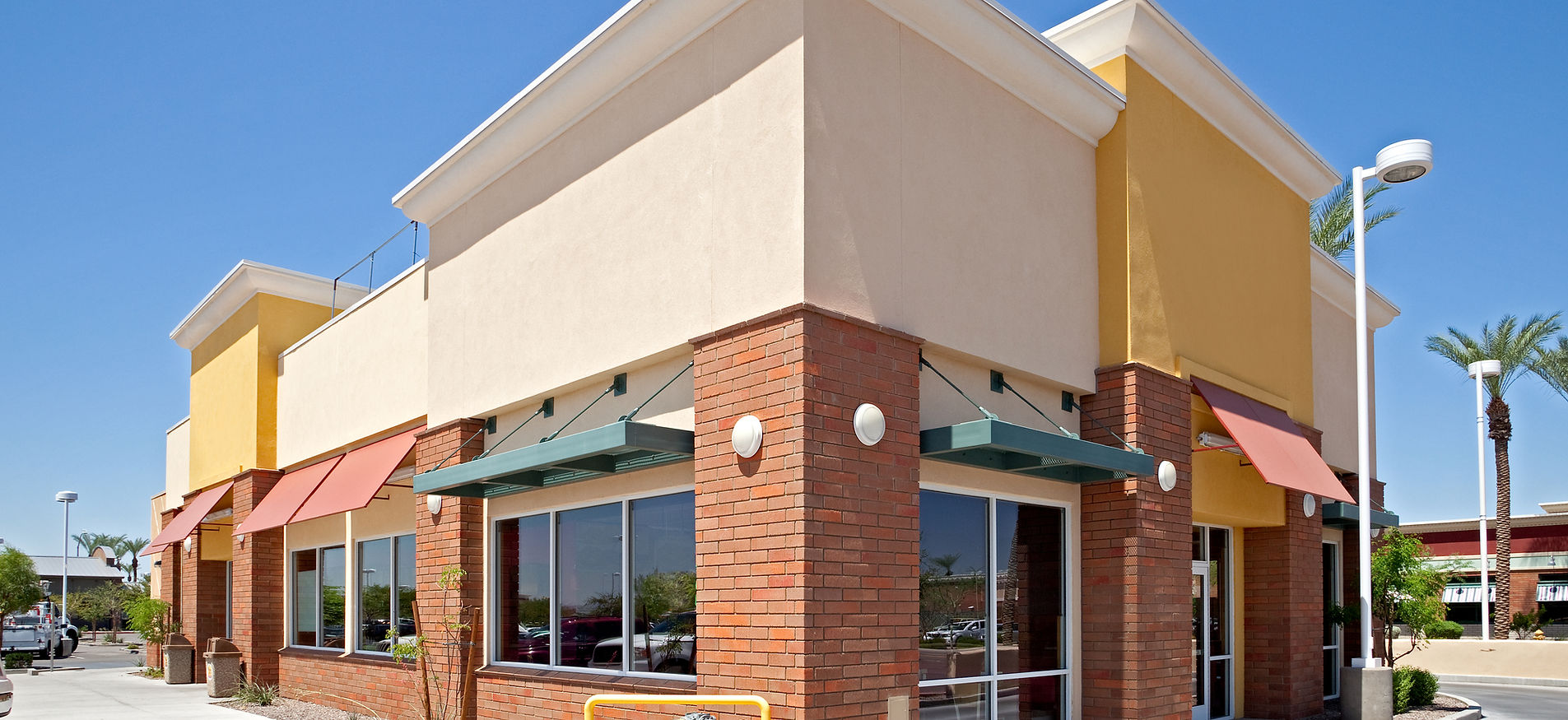
2. Your Business Damages Rented Space
Many owners understand that a landlord may require general liability insurance. Fewer understand how damage to rented premises is treated under a liability policy.
A business may accidentally damage a leased office, retail unit, restaurant space, warehouse, or studio. Examples include:
A fire caused by an accidental kitchen incident.
Smoke damage from business operations.
Water damage caused by an installation error.
Damage to walls during a build-out.
Accidental damage caused while moving equipment.
Damage to doors, flooring, or fixtures during business activity.
General liability insurance may include a limited provision for damage to premises rented to the business. The coverage is narrow. It is not the same as broad commercial property insurance.
Several details matter:
Whether the business rents the entire premises or only part of it.
Whether the damage resulted from fire, smoke, or another cause.
Whether the business occupies the space temporarily.
Whether the policy contains a specific limit.
Whether the lease creates obligations beyond the policy.
Whether the damaged property is considered part of the rented premises.
Whether the business owns the damaged improvements or fixtures.
A lease can require specific insurance wording, including a certificate of insurance, additional insured status, primary and noncontributory wording, or a waiver of subrogation. A certificate alone does not change the policy. The actual endorsement and policy form control.
Businesses should review their lease before signing it. The insurance requirement should be compared with the coverage actually issued. This is especially important when a tenant has invested in flooring, cabinetry, partitions, electrical upgrades, plumbing fixtures, signage, or other improvements.
For broader protection of business property and tenant improvements, review Commercial Property Insurance.
3. The Work Is Finished, but the Liability Is Not
One of the most important overlooked exposures is products-completed operations liability.
A contractor may finish a project, collect final payment, and move on to the next job. That does not necessarily end the business’s liability exposure.
A completed installation may later cause:
Water damage.
Fire damage.
Structural damage.
Damage to electrical systems.
Damage to finished surfaces.
Injury caused by a failed fixture.
Damage to a customer’s property.
A chain reaction affecting neighboring property.
Examples include:
A plumbing connection fails after a remodeling project is complete.
An electrical installation contributes to a fire.
An HVAC component detaches and damages a ceiling.
A painting project leaves a surface chemically damaged.
A landscaping installation creates a drainage issue that affects another structure.
A general contractor’s subcontracted work contributes to later property damage.
A cabinet or shelving installation fails and injures a customer.
The technical question is often whether the event arose from the contractor’s completed work and whether the policy includes adequate products-completed operations protection.
This is not the same as a warranty. General liability insurance is not designed to guarantee that work will meet every contract specification. It may address resulting third-party bodily injury or property damage when the policy conditions are satisfied.
For example, the cost to repair defective workmanship may not be treated the same way as damage caused by that defective work. Replacing an improperly installed pipe can be different from addressing water damage to a customer’s finished building. The distinction depends on the facts and policy wording.
Contractors should evaluate:
How long completed operations coverage remains available.
Whether the business continues to perform the same type of work.
Whether subcontractors are used.
Whether the policy addresses subcontracted work.
Whether project owners require completed-operations additional insured status.
Whether the business has discontinued operations from a prior trade.
Whether the policy aggregate applies to completed operations.
A contractor should not assume that closing a project closes the exposure. Completed work can create liability long after the final invoice.
Insurance Alliance works with general contractors and trade contractors through Contractor Insurance, including businesses specializing in HVAC, electrical, plumbing, painting, landscaping, remodeling, flooring, roofing, and other services.
The completed-operations timeline
A contractor should maintain project records after completion. Useful records include:
The signed contract.
The scope of work.
Change orders.
Subcontractor agreements.
Materials used.
Inspection records.
Photos before, during, and after the work.
Customer sign-off.
Manufacturer instructions.
Maintenance requirements.
Certificates and endorsements from subcontractors.
These records do not replace insurance. They help establish what the contractor agreed to do, what work was performed, what materials were used, and which parties controlled different portions of the project.
4. Customer Property Is in Your Care, Custody, or Control
Businesses often work on property they do not own. That creates a complex coverage issue.
A customer may give a business temporary control of:
Equipment.
Furniture.
Electronics.
Inventory.
Construction materials.
Vehicles.
Appliances.
Documents.
Instruments.
Specialized tools.
Personal property being repaired, cleaned, stored, or modified.
When property is in the business’s care, custody, or control, standard general liability coverage may contain restrictions. The policy may not treat that property the same way it treats unrelated third-party property.
Examples include:
A repair business damages a customer’s equipment while servicing it.
A contractor damages a cabinet, appliance, or fixture while installing another component.
A cleaning company damages a customer’s furniture.
A storage-related business damages property temporarily left at its location.
A contractor damages materials supplied by the project owner.
A technology company damages a client’s hardware while installing software or network equipment.
This issue requires precise analysis. The policy may distinguish between:
Property directly worked on.
Property in the business’s physical possession.
Property adjacent to the work.
Property not being worked on but affected by the operation.
Property rented to the business.
Property owned by the business.
Property temporarily controlled for a specific task.
An endorsement may be needed for certain operations. Inland marine insurance may also be relevant for tools, equipment, and materials transported between locations or stored away from the primary premises.
The business should document what it receives, who controls it, where it is stored, and what work is performed. Written intake procedures and condition records can help clarify the facts when property is later alleged to be damaged.
Care, custody, and control questions
Ask these questions before accepting customer property:
Who owns the property?
Who physically possesses it?
Is the property being repaired, modified, cleaned, installed, transported, or stored?
Is the business paid specifically to protect or maintain it?
Is the property located near the work but not directly involved?
Is the property covered by another policy?
Does the contract assign responsibility for damage?
Does the business have photographs or condition records?
Is the property transported in a company vehicle?
Is special coverage required?
A business that handles high-value customer property should not rely on a generic description such as “service work.” The application and policy should reflect the actual operation.
5. A Temporary Location Creates a Permanent Coverage Question
Businesses frequently operate away from their scheduled premises.
Examples include:
Contractors working at customer locations.
Caterers operating at event venues.
Restaurants providing off-site food service.
Retailers attending markets or trade shows.
Professional offices conducting on-site consultations.
Landscapers working at private residences.
Businesses using temporary pop-up locations.
Companies renting meeting rooms or event spaces.
General liability insurance is designed to address business operations, but the location and activity still matter.
A policy application may describe one primary location while the business regularly works at dozens of customer sites. That is normal for many contractors, but the carrier must understand the actual operations.
Businesses should disclose:
Regular off-site work.
Temporary locations.
Trade shows and exhibitions.
Client events.
Installation work.
Delivery and setup activities.
Storage away from the primary premises.
Operations performed by subcontractors.
Work conducted in occupied buildings.
Operations involving elevated, heated, electrical, or structural work.
The more a business moves, installs, transports, or handles property, the more important it becomes to coordinate general liability insurance with commercial auto and inland marine coverage.
A policy should not be built around an office address when the business actually operates throughout Washington at customer locations.
6. Advertising Injury Is Not Just a Legal Department Problem
Many business owners assume general liability insurance is limited to physical accidents. Certain personal and advertising injury offenses may also fall within a liability policy.
Depending on the policy, examples may include allegations involving:
Libel.
Slander.
Certain forms of copyright infringement in advertising.
Misappropriation of advertising ideas.
Certain privacy-related offenses.
Use of another party’s advertising concept.
The exposure can arise from:
Website content.
Social media posts.
Printed brochures.
Online advertisements.
Email campaigns.
Product descriptions.
Promotional videos.
Before-and-after photography.
Comparisons with competitors.
Use of music, images, or design elements.
Statements made by employees or marketing vendors.
A business may hire an outside marketing company and assume the vendor is responsible for everything published. That assumption is risky. The business may still be identified in the dispute because its name appears on the content, its employees approved the material, or it directed the campaign.
The key issue is whether the alleged offense falls within the policy definition and whether an exclusion applies. Coverage may be affected by intentional conduct, knowing violation, false statements, contractual obligations, or the type of intellectual property involved.
Risk controls should include:
Keeping records of content approvals.
Confirming licenses for photographs, music, fonts, and graphics.
Obtaining written permission for customer testimonials.
Avoiding unsupported statements about competitors.
Reviewing vendor agreements.
Separating factual product information from opinion.
Removing content when rights cannot be verified.
Training employees who publish content on behalf of the business.

7. The Contract Creates an Exposure Your Operations Did Not
Contracts can change the way liability is allocated between businesses.
A customer, landlord, general contractor, property manager, lender, or vendor may require:
General liability insurance.
Specific liability limits.
Additional insured status.
Primary and noncontributory wording.
Waiver of subrogation.
Products-completed operations coverage.
Per-project or per-location treatment.
Notice of cancellation.
Certificates of insurance.
Indemnification.
Hold-harmless obligations.
Coverage for subcontractors.
These requirements are not interchangeable.
A certificate of insurance confirms that coverage was represented at a particular point in time. It does not automatically provide additional insured status. That status normally comes from an endorsement or policy provision.
An indemnification clause is also not the same as insurance. A business may agree to assume contractual responsibility that is broader than the coverage available under its general liability policy.
This is where contracts become technically aggressive. The business may face an obligation to defend or indemnify another party even when the policy does not cover every part of that obligation.
Before signing a contract, a business should examine:
The scope of work
Does the contract describe the actual service? A vague or overly broad description can create confusion about covered operations.
The required insurance
Does the contract require general liability insurance, completed operations, additional insured status, or other coverage?
The parties to be insured
Does the contract require coverage for an owner, property manager, general contractor, landlord, or other entity?
The timing
Must additional insured protection continue after the project is completed?
The location
Does the contract apply to one site, multiple sites, or future projects?
Subcontractor requirements
Must subcontractors carry insurance and provide evidence of coverage?
Indemnity language
Is the business accepting responsibility for its own negligence, another party’s negligence, or a broader category of loss?
Policy alignment
Does the existing policy actually support the contract terms?
A contractor should request an insurance review before signing a major agreement, not after a dispute begins.
Subcontractor controls are equally important. A business may require subcontractors to provide certificates and additional insured endorsements. It should also verify that the subcontractor’s described operations match the work being performed.
Contractual risk transfer is not a substitute for sound operations. It is a structure that must align with the policy and the parties’ actual responsibilities.
8. Minor Injuries Can Become Major Documentation Problems
Some businesses focus only on severe accidents. Smaller incidents can also create liability complications.
A customer may report:
A minor cut.
A bruise.
A reaction to a product.
A trip with no immediate treatment.
A strained body part.
A minor impact from falling merchandise.
A contact injury caused by equipment or fixtures.
Some general liability policies include medical payments coverage for limited, eligible medical expenses. This coverage can apply without the same liability determination required for a larger bodily injury allegation, subject to the policy terms.
Businesses should still document every incident.
A useful incident record may include:
Date and time.
Exact location.
Description of what happened.
Names and contact details of involved individuals.
Names of witnesses.
Photographs of the area.
Weather and surface conditions.
Equipment or merchandise involved.
Employee observations.
Immediate actions taken.
Whether emergency services were contacted.
Whether video footage exists.
Documentation should be factual. Employees should avoid assigning blame, promising payment, or making coverage statements. The business should report incidents according to the policy’s notice requirements.
Preserve evidence
A business should preserve relevant evidence after an incident, including:
Video footage.
Inspection records.
Cleaning logs.
Maintenance records.
Product labels.
Employee schedules.
Customer communications.
Photographs.
Purchase records.
Delivery records.
Contracts.
Work orders.
A routine deletion system can remove useful video quickly. Businesses should have a process for preserving footage when an incident is reported.
9. Washington Weather Can Change a Routine Premises Exposure
Rain, wet surfaces, wind, and seasonal conditions can create recurring premises risks for businesses throughout Washington.
Potential hazards include:
Water tracked inside by customers.
Slippery entry mats.
Wet stairs.
Poorly maintained exterior walkways.
Loose signs or outdoor fixtures.
Wind-blown materials.
Standing water near entrances.
Debris in parking areas.
Poor lighting during early morning or evening operations.
Temporary construction hazards.
A written inspection program is one of the most practical controls available to a business.
The program should define:
Who inspects the premises.
How often inspections occur.
What conditions require correction.
Where inspection records are stored.
How employees report hazards.
How temporary warnings are placed.
When a walkway must be closed.
Who is responsible for communicating with a landlord or property manager.
A business should not assume that a landlord’s maintenance obligation eliminates the business’s responsibility. The lease, actual control, business conduct, and facts surrounding an incident all matter.
10. Restaurants Need More Than a Generic Liability Discussion
Restaurants create a concentrated combination of premises, products, equipment, customer service, delivery, and food-service exposures.
Potential general liability scenarios include:
A guest trips over a chair leg or floor transition.
A customer is injured by a loose fixture.
A server spills a beverage on a customer’s electronic device.
A delivery activity damages property at a customer location.
A customer alleges injury from a foreign object in food.
A temporary outdoor setup creates a walkway hazard.
A contractor damages the restaurant during maintenance work.
A customer alleges advertising injury based on promotional content.
A neighboring tenant alleges property damage from restaurant operations.
Restaurants should coordinate liability coverage with property protection, commercial auto when vehicles are used, equipment coverage, cyber liability, and any specialized endorsements required by their operations.
Read more about Restaurant Insurance for coverage considerations involving restaurants, cafés, coffee shops, bakeries, smoothie shops, catering businesses, and other food-service operations.
Restaurant-specific controls
Restaurants should maintain procedures for:
Floor inspections.
Entryway inspections.
Fixture and furniture checks.
Food handling documentation.
Product supplier records.
Delivery procedures.
Customer incident reporting.
Equipment maintenance.
Outside contractor access.
Marketing content approval.
The restaurant’s liability program should reflect whether it provides catering, delivery, food trucks, outdoor seating, private events, or multiple locations. A change in service can create a change in exposure.
11. Contractors Have a Wider Liability Footprint
Contractor liability does not stop at the jobsite entrance.
A contractor may create exposures through:
Site preparation.
Material delivery.
Equipment movement.
Demolition.
Installation.
Subcontractor supervision.
Temporary protection.
Work performed in occupied buildings.
Completed operations.
Customer property in the contractor’s possession.
Contractual promises.
Advertising and project descriptions.
A general contractor may also face allegations tied to work performed by subcontractors. Contractual controls should be supported by certificates, additional insured endorsements where appropriate, written scopes of work, and documentation of subcontractor compliance.
Trade-specific details matter. An electrical contractor, HVAC contractor, painter, landscaper, and general contractor do not have identical operations. The policy should identify the work actually performed.
Contractors should also coordinate general liability insurance with:
Commercial auto insurance.
Inland marine insurance.
Commercial property insurance.
Commercial bonds.
Cyber liability insurance.
Professional liability where design or consulting services are provided.
Environmental coverage where applicable to the work.
Use the Contractor Insurance resource to review coverage categories for Washington contracting businesses.
Contractor operations that require close review
A contractor should notify the insurance professional when it begins:
Structural work.
Excavation.
Roofing.
Demolition.
Water intrusion remediation.
Work involving occupied buildings.
Design or engineering services.
Installation of specialized systems.
Use of subcontractors.
Work under a new master service agreement.
Work in another state.
Storage of customer-owned property.
Transportation of high-value equipment or materials.
The policy should reflect the work actually performed rather than the trade name used in advertising.
12. A Business Owners Policy Can Combine Core Coverages
A business owners policy, commonly called a BOP, may combine general liability insurance with commercial property coverage and other features for eligible small businesses.
A BOP can be useful for businesses that:
Operate from a defined location.
Own or lease business property.
Maintain equipment or inventory.
Interact with customers or visitors.
Need both property and liability protection.
Have operations that fit the policy’s eligibility requirements.
The BOP structure does not eliminate the need for analysis. The business still needs to review:
Described operations.
Property values and categories.
Building ownership.
Tenant improvements.
Inventory.
Equipment.
Business income exposure.
Liability limits.
Products-completed operations.
Policy exclusions.
Endorsements.
Additional insured requirements.
Off-site operations.
Commercial auto exposures.
Cyber risks.
A BOP may not be appropriate for every business. Larger operations, specialized contractors, high-hazard businesses, companies with extensive off-site work, and businesses with complex contractual requirements may need a different commercial insurance structure.
Learn more about Business Owners Policy insurance and how it may coordinate general liability and property protection for qualifying Washington businesses.

BOP review points
A business owners policy should be reviewed when the business:
Opens another location.
Adds delivery or installation services.
Purchases new equipment.
Adds inventory.
Expands its leased space.
Renovates the premises.
Adds outdoor operations.
Signs a new client contract.
Begins using subcontractors.
Adds a new product line.
Changes its legal entity.
Purchases a commercial building.
Begins serving customers at off-site locations.
A BOP is a policy structure, not a substitute for business-specific underwriting. Eligibility and coverage vary by insurance company and operation.
13. What General Liability Insurance Usually Does Not Replace
The most dangerous misunderstanding is treating general liability insurance as a complete business insurance program.
Other coverages may be needed for exposures such as:
Commercial auto
Vehicle-related bodily injury and property damage typically require commercial auto insurance. A general liability policy generally does not replace coverage for company-owned, hired, or non-owned vehicles.
Review Commercial Auto Insurance when employees drive for deliveries, installations, service calls, estimates, or other business activities.
Cyber liability
Data breaches, ransomware, network security incidents, privacy allegations, and technology failures may require cyber liability coverage. General liability insurance is not designed to address every digital exposure.
Professional liability
Advice, design, consulting, accounting, technology, engineering, or other professional services may create errors-and-omissions exposures. General liability insurance does not automatically cover allegations arising from professional judgment or advice.
Commercial property
Damage to your building, equipment, inventory, furniture, computers, tools, or tenant improvements generally requires commercial property insurance.
Inland marine
Tools, mobile equipment, materials, and property transported or stored away from a primary location may require inland marine protection.
Commercial bonds
A bond is a separate financial instrument used for certain license, permit, bid, performance, or payment obligations. General liability insurance is not a performance guarantee.
The objective is not to buy every available policy. The objective is to identify how the business operates and align each exposure with the correct coverage.
14. The Policy Application Is Part of the Risk Analysis
Many coverage problems begin before the policy is issued. They begin with an incomplete description of the business.
A business should not describe its operations using only a broad label such as:
Contractor.
Consultant.
Retailer.
Restaurant.
Service business.
Property manager.
Technology company.
Those labels do not explain the actual work.
A better description addresses:
What the business sells.
What services it performs.
Where the work occurs.
Who performs the work.
Whether subcontractors are used.
Whether products are installed or modified.
Whether customer property is handled.
Whether advice or design is provided.
Whether vehicles are used.
Whether employees travel.
Whether work continues after completion.
Whether the business operates at temporary locations.
The business should update its insurance professional when operations change. This includes changes that may seem minor, such as:
Adding a new service.
Taking on larger projects.
Moving into a larger location.
Beginning online sales.
Adding delivery.
Performing work for property managers.
Hiring subcontractors.
Buying specialized tools.
Leasing new equipment.
Working in occupied buildings.
The goal is accurate coverage alignment. The policy should describe the real business, not the business from two years ago.
15. Washington General Liability Insurance Review Checklist
Use this checklist when reviewing general liability insurance for a Washington business.
Operations
Are all services accurately described?
Does the policy reflect current business activities?
Has the business added new services?
Does the business work away from its primary location?
Are subcontractors used?
Does the business handle customer property?
Does the business sell, install, modify, or distribute products?
Premises
Is the correct location scheduled?
Does the business lease, own, or share the premises?
Are outdoor areas used for business activity?
Are temporary signs, displays, or queues used?
Does the business maintain sidewalks, parking areas, or common spaces?
Are landlord responsibilities documented?
Completed operations
Does the business perform installation, repair, construction, or maintenance?
Could completed work cause later property damage?
Are completed-operations limits adequate for contract requirements?
Are prior operations still relevant?
Are subcontracted operations addressed?
Contracts
Do customers require additional insured status?
Are completed-operations endorsements required?
Does the contract require primary and noncontributory wording?
Is a waiver of subrogation required?
Does the indemnity language match the policy?
Are subcontractor certificates and endorsements collected?
Customer property
Does the business repair, clean, store, install, transport, or modify property owned by customers?
Is property in the business’s care, custody, or control?
Are tools and materials transported between sites?
Are records maintained when property is received?
Advertising
Who creates and approves marketing content?
Are images, music, testimonials, and graphics licensed?
Does the business make statements about competitors?
Are marketing vendors contractually responsible for their work?
Are website and social media procedures documented?
Related coverage
Are business vehicles insured commercially?
Is mobile equipment protected?
Is commercial property coverage adequate?
Is cyber liability coverage considered?
Is professional liability relevant?
Are commercial bonds required by contracts or licensing authorities?
A review should occur at least annually and whenever the business changes locations, services, equipment, contracts, ownership, or operating structure.
How Insurance Alliance Helps Washington Businesses
Insurance Alliance LLC works with small and mid-sized businesses throughout Washington and other licensed states.
Our team helps business owners:
Review current general liability coverage.
Identify overlooked operational exposures.
Compare coverage from financially stable insurance companies.
Coordinate liability and property protection.
Review contract insurance requirements.
Address additional insured requests.
Evaluate completed-operations exposures.
Coordinate business owners policy options.
Review contractor, restaurant, office, retail, and service-business risks.
Maintain long-term commercial insurance relationships.
General liability insurance should be built around the business that exists today. A policy designed for a small office may not fit a contractor that begins installation work. A policy designed for a retail shop may not fit a business that starts delivering products. A policy designed for one location may not address regular off-site operations.
The most overlooked liability exposure is often the operation that was never disclosed.
Review your services. Review your contracts. Review your premises. Review the property you handle. Review the work that continues after completion.
Then review the policy.
For additional commercial insurance information, consult the Washington Office of the Insurance Commissioner’s business insurance resources.
For guidance tailored to your business, contact Insurance Alliance LLC at www.theinsalliance.com.
Insurance Alliance LLC Serving businesses in Washington, Florida, Texas, Arizona, Idaho, and other licensed states Professional guidance. Customized coverage. Long-term protection.

Comments