
Summer Risk Matters: Why Your Business Owners Policy Needs a Pre-Season Safety Review
The transition into the summer season brings operational changes for most businesses. Increased customer traffic, higher temperatures, and the potential for severe weather events create a unique set of risks. A Business Owners Policy (BOP) combines various coverages to protect against these liabilities, but the adequacy of this protection depends on regular reviews. Conducting a pre-season safety review ensures that the policy aligns with current operational realities and physical property conditions. Insurance Alliance LLC provides expertise in identifying these seasonal vulnerabilities to help maintain business continuity.
The Significance of Pre-Season Risk Assessment
A pre-season review serves as a proactive measure to identify hazards before they result in property damage or liability claims. During the summer, businesses often expand their physical footprint or increase their service capacity. This expansion introduces new variables that the original policy may not have fully addressed. Risk mitigation involves evaluating the physical premises, reviewing safety protocols, and ensuring that coverage limits reflect the current value of business assets.
Property maintenance remains a primary focus of risk management. Neglecting routine care leads to vulnerabilities that become evident during extreme heat or sudden storms. By addressing maintenance issues in the spring, business owners reduce the likelihood of operational interruptions during their peak season.
Comprehensive Property Maintenance for Summer
Exterior maintenance protects the building envelope and internal systems from summer-related stressors. High temperatures and increased humidity place significant strain on mechanical systems and building materials.
HVAC System Reliability
Air conditioning systems operate at peak capacity during the summer months. Failure of these systems leads to uncomfortable environments for customers and potentially dangerous conditions for employees. It also poses a risk to heat-sensitive inventory or equipment.
Filter Replacement: Clean filters ensure efficient airflow and reduce strain on the motor.
Coil Cleaning: Dust and debris on condenser coils prevent heat transfer, causing the system to work harder and increasing the risk of mechanical failure.
Drain Line Inspection: Clogged condensate lines lead to water damage within the building structure.
Professional Calibration: A certified technician should verify refrigerant levels and electrical connections.
Ensuring HVAC reliability is a critical step in business insurance risk management, as it prevents secondary damage caused by system failures.
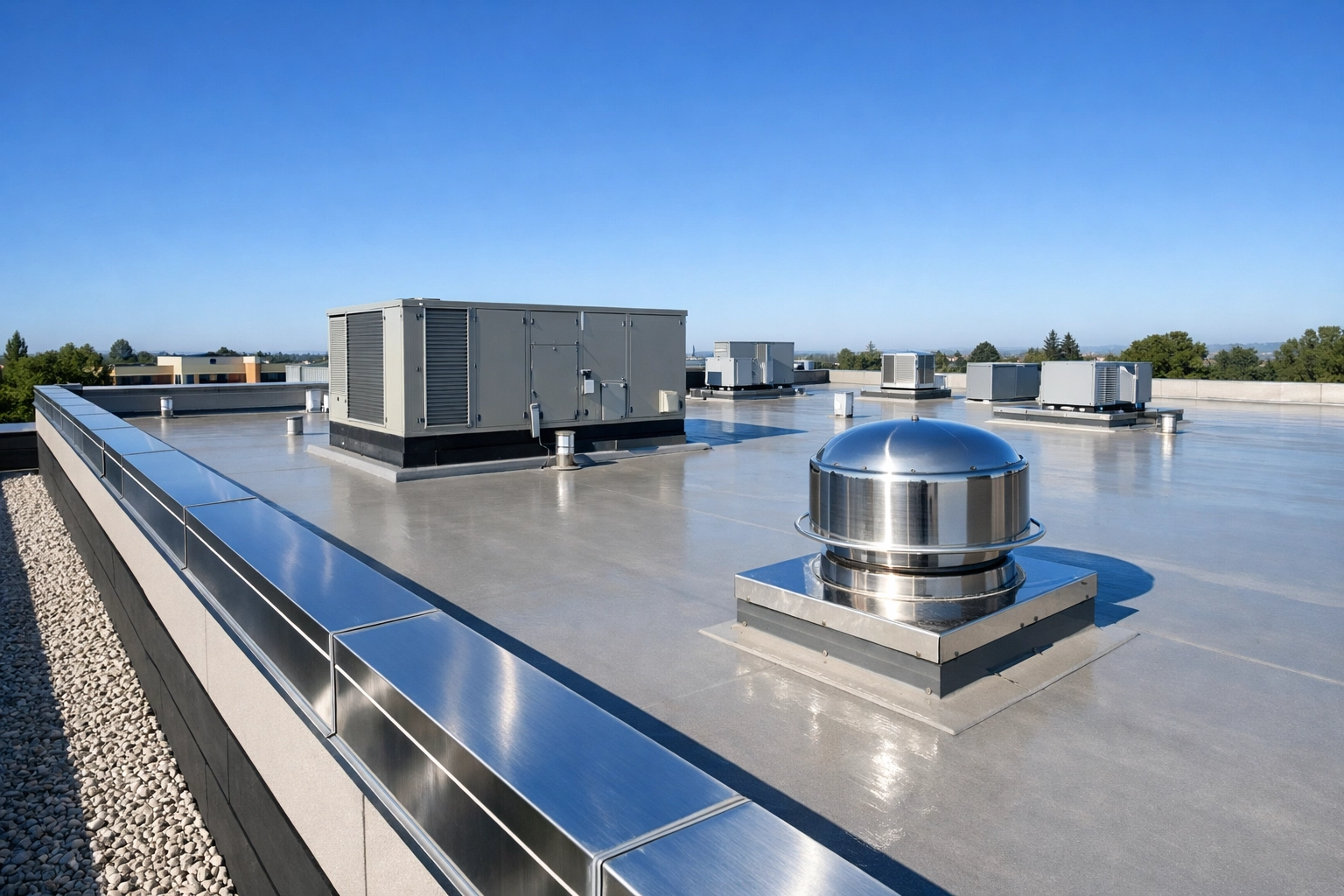
Roof and Gutter Integrity
Spring rains and winter debris often leave roofs vulnerable. A thorough inspection identifies issues that could lead to leaks during heavy summer downpours.
Debris Removal: Clear leaves, branches, and sediment from roof surfaces and gutters.
Drainage Check: Ensure that downspouts direct water away from the foundation to prevent flooding and soil erosion.
Flashing Inspection: Check the integrity of flashing around vents, chimneys, and skylights. High heat can cause sealants to crack or pull away.
Surface Condition: Identify blistered, cracked, or missing shingles or roofing membranes.
Storm Preparedness and Disaster Planning
Summer weather is often unpredictable, characterized by high winds, lightning strikes, and flash flooding. A Business Owners Policy typically covers wind and hail damage, but physical preparedness is necessary to minimize the extent of the damage.
Securing the Exterior
High winds transform unsecured items into dangerous projectiles. Business owners must evaluate the exterior of their property for potential hazards.
Outdoor Furniture: Plan for a method to secure or move outdoor seating, umbrellas, and decorative items during storm warnings.
Signage: Verify that all exterior signs are securely mounted and can withstand local wind speed ratings.
Tree Trimming: Remove dead branches or limbs hanging over the building or parking areas. Overhanging branches pose a significant threat during windstorms or heavy rain.
Awnings and Canopies: Inspect mechanical parts and fabric integrity of retractable or permanent shade structures.
Data and Infrastructure Protection
Storms frequently cause power surges and outages. Protecting digital assets and electrical infrastructure is vital for modern business operations.
Surge Protection: Utilize industrial-grade surge protectors for all sensitive electronic equipment.
Backup Systems: Test uninterruptible power supplies (UPS) and backup generators. Ensure that fuel supplies for generators are fresh and stored safely.
Data Redundancy: Verify that cloud backups are functioning correctly. In the event of physical property damage, off-site data access allows for faster recovery.
For businesses located in regions prone to specific natural disasters, supplemental coverage like earthquake insurance or dedicated flood policies should be considered alongside the standard BOP.
Managing Outdoor Operations and Liability
Summer often sees businesses moving operations outdoors. Restaurants open patios, and retailers may host sidewalk sales or outdoor events. These activities introduce new liability risks that must be managed.
Walkway and Surface Safety
Increased foot traffic on sidewalks and patios increases the risk of slip-and-fall incidents.
Surface Leveling: Inspect patio pavers or concrete for uneven sections caused by winter freeze-thaw cycles.
Lighting: Ensure that all outdoor areas, including parking lots and walkways, are well-lit for evening operations. Replace burnt-out bulbs and clean light fixtures.
Curbing and Ramps: Verify that all transitions between surfaces are clearly marked and meet accessibility standards.
Outdoor Dining Risks
Establishments focusing on restaurant insurance must pay special attention to seasonal dining areas. Patios involve temporary structures, heaters, and increased staff movement.
Clear Paths: Maintain wide, unobstructed paths for both servers and customers.
Fencing and Barriers: Ensure that perimeter barriers are stable and do not create tripping hazards.
Umbrella Safety: Use weighted bases for all umbrellas and close them during periods of high wind.

Reviewing Coverage Limits for Peak Season
As business activity increases, the value of the assets on-site often rises. A pre-season review should include a check of the coverage limits within the Business Owners Policy.
Inventory Fluctuations
Retailers and restaurants often carry higher inventory levels during the summer months to meet increased demand. If a loss occurs when inventory is at its peak, a policy based on average annual levels may provide insufficient compensation.
Peak Season Endorsement: Some policies include an automatic increase in personal property coverage during specific peak months.
Valuation Accuracy: Ensure that the "Business Personal Property" limit reflects the current replacement cost of inventory, furniture, and equipment.
Business Income Coverage
If a summer storm or fire forces a business to close during its busiest month, the financial impact is more severe than a closure during the off-season. Business Income coverage (also known as Business Interruption insurance) compensates for lost income and ongoing expenses during the restoration period.
Reviewing these limits ensures that the coverage is sufficient to handle the higher revenue levels typical of the summer season. Business owners should consult with Insurance Alliance LLC to verify that their indemnity period and coverage amounts are adequate for a worst-case scenario.
Employee Safety and Heat Mitigation
The safety of the workforce is a critical component of risk management. Summer heat introduces the risk of heat-related illnesses, which impacts operational efficiency and increases the likelihood of workplace accidents.
Hydration Stations: Provide easy access to water for all employees, especially those working outdoors or in non-air-conditioned spaces.
Rest Breaks: Implement a schedule that allows for frequent breaks in shaded or cooled areas.
Training: Educate staff on the signs of heat exhaustion and heatstroke. Ensure there is a clear protocol for responding to medical emergencies.
Proper Attire: If applicable, adjust uniform requirements to allow for breathable fabrics that protect against UV exposure.
Finalizing the Pre-Season Review
A successful pre-season review concludes with a consultation with an insurance professional. This ensures that the physical steps taken on the property are reflected in the insurance documentation.
Document Improvements: Keep records of all maintenance performed, including HVAC servicing and roof repairs.
Update Equipment Schedules: If new equipment was purchased for the season, ensure it is added to the policy.
Review Exclusions: Understand what is not covered by the BOP. This knowledge allows business owners to implement specific safety protocols for those uncovered risks.
By taking these steps, business owners create a resilient environment capable of withstanding the unique pressures of the summer season. Proactive risk mitigation protects the physical assets, the employees, and the long-term viability of the enterprise.
For more information on securing comprehensive protection for your business, visit our get a quote page or explore our sitemap for additional resources on risk management and coverage options.
Insurance Alliance LLC https://www.theinsalliance.com


Comments