
Building a Safety Culture: How Workers' Comp Supports Your Team
A strong safety culture does more than meet regulatory requirements. It creates a framework where employees feel protected, engaged, and valued. Workers' compensation insurance plays a central role in establishing this framework by providing structure, accountability, and support for workplace safety initiatives.
This guide explains how workers' comp supports your team and outlines practical steps for building a safety culture that benefits your entire organization.
What Is a Safety Culture?
Safety culture refers to the shared attitudes, beliefs, and practices within an organization regarding workplace safety. It goes beyond written policies and compliance checklists. A true safety culture exists when every team member: from leadership to entry-level employees: prioritizes safe behaviors and takes responsibility for maintaining a secure work environment.
Organizations with strong safety cultures experience improved employee morale, higher retention, and smoother daily operations. Workers feel confident that their employer values their well-being, which translates to greater focus and productivity on the job.

The Role of Workers' Comp in Workplace Safety
Workers' compensation insurance provides more than financial protection. It establishes a structured approach to identifying hazards, implementing safety protocols, and supporting employees who face workplace risks.
Establishing Accountability
Workers' comp coverage requires businesses to maintain certain safety standards. This requirement creates accountability at every level of the organization. Managers must ensure that safety protocols are followed, and employees understand their responsibility to report hazards and follow established procedures.
Creating a Framework for Risk Assessment
Workers' compensation programs encourage regular risk assessments. These assessments help identify potential hazards before they lead to incidents. By systematically evaluating workspaces, equipment, and job tasks, businesses can implement preventive measures that protect their teams.
Supporting Employee Training
Effective workers' comp programs include provisions for ongoing safety training. This training ensures that employees understand job-specific risks and know how to perform their duties safely. Regular training sessions reinforce safe behaviors and keep safety top of mind for your entire workforce.
Key Components of a Strong Safety Culture
Building a safety culture requires commitment from leadership, active employee participation, and consistent communication. The following components form the foundation of an effective safety program.
Leadership Commitment
Safety culture starts at the top. When business owners and managers visibly champion safety, employees take notice. Leadership commitment includes:
Allocating resources for safety training and equipment
Participating in safety meetings and walkthroughs
Modeling safe behaviors in daily operations
Holding all team members accountable for following safety protocols
Employees are more likely to prioritize safety when they see their leaders doing the same. This visible commitment creates trust and reinforces the message that safety is a core organizational value.

Employee Involvement
A safety culture cannot exist without employee buy-in. Workers on the front lines often have the best understanding of potential hazards in their work areas. Encouraging employee involvement means:
Inviting workers to participate in safety committees
Soliciting feedback on current safety procedures
Empowering employees to stop work if they identify an immediate hazard
Recognizing and rewarding safe behaviors
When employees feel their input matters, they become invested in maintaining a safe workplace. This sense of ownership leads to more consistent adherence to safety protocols.
Open Communication Channels
Effective safety cultures rely on clear, open communication. Employees must feel comfortable reporting hazards, near-misses, and safety concerns without fear of retaliation. Open communication includes:
Establishing anonymous reporting systems
Conducting regular safety briefings
Providing multiple channels for reporting concerns (verbal, written, digital)
Following up promptly on reported issues
Transparent communication builds trust and ensures that potential hazards are addressed before they escalate.
Implementing Safety Protocols That Work
Developing written safety protocols is only the first step. The real challenge lies in implementation and consistent enforcement. The following strategies help ensure your safety protocols translate into real-world results.
Conduct Regular Risk Assessments
Risk assessments should be an ongoing practice, not a one-time event. Schedule regular walkthroughs of your facilities to identify new or evolving hazards. Involve employees from different departments to gain diverse perspectives on potential risks.
Document your findings and create action plans to address identified hazards. Track your progress and update your assessments as your operations change.
Provide Job-Specific Training
Generic safety training has limited effectiveness. Workers need training that addresses the specific risks associated with their roles. For example:
Construction workers need training on fall prevention and equipment operation
Restaurant employees require guidance on burn prevention and food safety
Office workers benefit from ergonomic assessments and proper workstation setup
Tailor your training programs to your industry and the specific tasks your employees perform. Review and update training materials regularly to reflect current best practices.

Establish Clear Reporting Procedures
Every employee should know exactly how to report a safety concern. Create simple, accessible reporting procedures and communicate them clearly to your entire team. Ensure that managers respond promptly to reported concerns and provide feedback on actions taken.
Quick responses to safety reports demonstrate that leadership takes employee concerns seriously. This responsiveness encourages continued reporting and helps maintain a proactive safety culture.
Recognize Safe Behaviors
Positive reinforcement strengthens safe behaviors. Develop a recognition program that acknowledges employees who consistently follow safety protocols or identify potential hazards. Recognition can take many forms:
Verbal acknowledgment in team meetings
Written commendations
Safety awards or certificates
Inclusion in company communications
Recognition programs reinforce the message that safety is valued and appreciated throughout the organization.
How Workers' Comp Coverage Supports Your Safety Efforts
Workers' compensation coverage provides the foundation for many safety initiatives. Understanding how your coverage supports your team helps you maximize its benefits.
Access to Safety Resources
Many workers' comp programs include access to safety resources, training materials, and consultation services. These resources help businesses develop and maintain effective safety programs tailored to their specific industries and operations.
Structured Return-to-Work Programs
Workers' comp supports employees who have experienced workplace injuries through structured return-to-work programs. These programs help injured workers transition back to their duties safely and gradually, reducing the risk of re-injury and supporting long-term recovery.
Documentation and Record-Keeping
Maintaining accurate safety records is essential for compliance and continuous improvement. Workers' comp requirements encourage businesses to document safety training, incident reports, and corrective actions. This documentation provides valuable data for identifying trends and measuring the effectiveness of your safety initiatives.
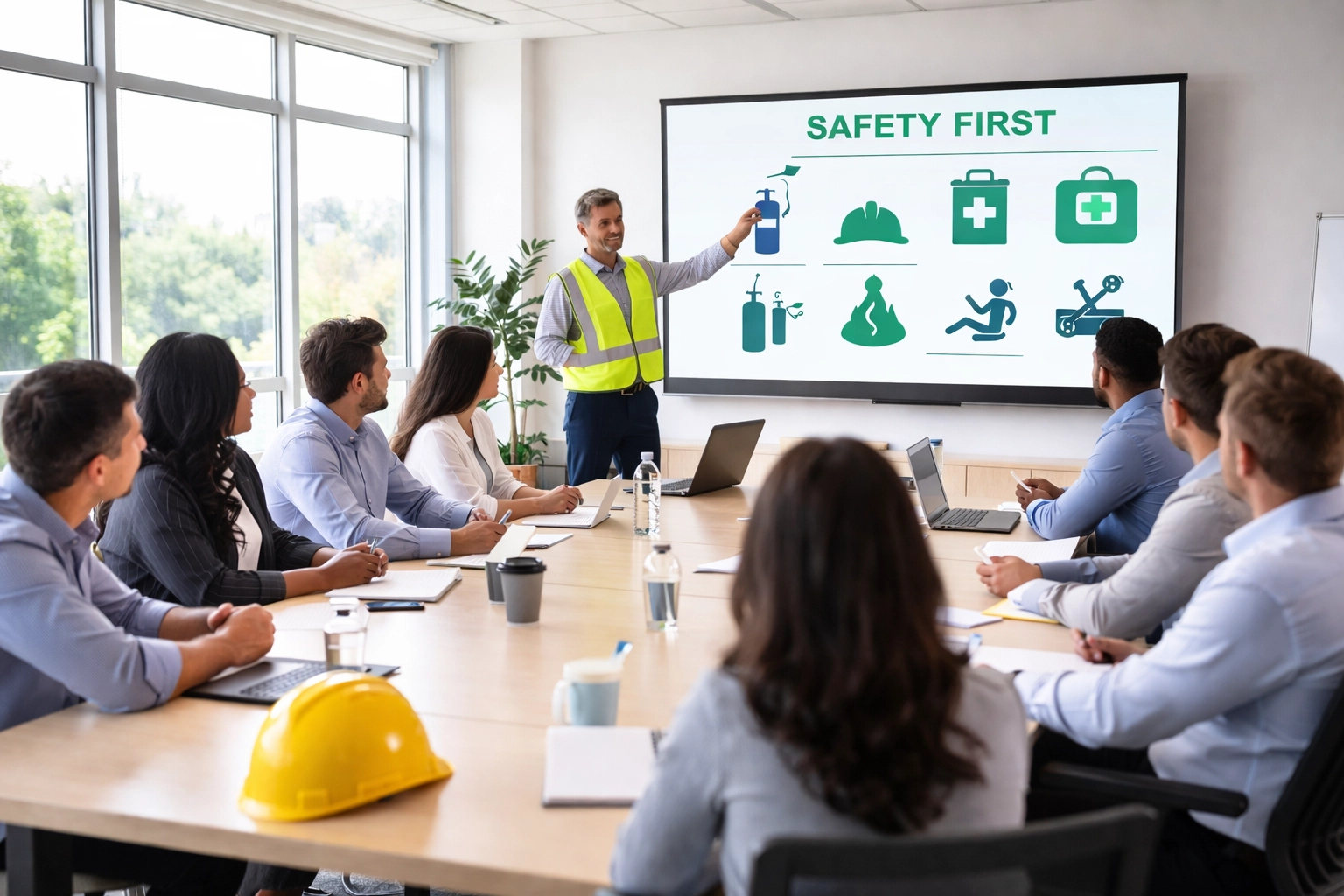
Building Safety Culture Across Industries
Safety culture principles apply across all industries, though specific applications vary. Whether you operate a restaurant, work as an electrical contractor, run an HVAC business, or manage a flooring company, the fundamentals remain consistent:
Leadership must champion safety
Employees must be involved in safety decisions
Communication must be open and transparent
Training must be relevant and ongoing
Safe behaviors must be recognized and reinforced
Adapting these principles to your specific industry and operations creates a safety culture that protects your team and supports your business objectives.
Partner with Insurance Alliance LLC
Insurance Alliance LLC provides business insurance solutions that support workplace safety across FL, TX, AZ, ID, and WA. Our team understands the unique risks facing businesses in various industries and helps you secure appropriate workers' comp coverage for your operations.
We work with you to understand your safety needs and connect you with coverage that supports your workplace security goals. Contact us today to discuss how workers' compensation insurance can strengthen your safety culture and protect your team.
Insurance Alliance LLC Serving FL, TX, AZ, ID, and WA


Comments