
Why Proper Liquor Liability Training Will Change the Way You Manage Your Restaurant’s Risk
- marketing676641
- Mar 5
- 5 min read
Establishments that serve alcohol operate under a unique set of regulatory and legal expectations. Managing a restaurant involves balancing hospitality with strict adherence to safety protocols. One of the most critical components of a robust risk management strategy is the implementation of formal liquor liability training for all staff members involved in the sale and service of alcohol.
At Insurance Alliance LLC, we prioritize helping business owners understand how proactive measures protect their long-term viability. Proper training serves as the foundation for a safe environment, ensuring that employees have the tools necessary to handle complex social and legal situations.
Understanding Liquor Liability Training Programs
Liquor liability training refers to standardized programs designed to educate servers, bartenders, and managers on the responsible service of alcohol. Well-known programs include TIPS (Training for Intervention ProcedureS) and RAMP (Responsible Alcohol Management Program). These initiatives focus on the physiological effects of alcohol, techniques for identifying signs of intoxication, and methods for effectively intervening when a guest has reached their limit.
Training is not merely a suggestion for high-volume bars; it is a necessity for any business that holds a liquor license, including family dining establishments and fine-dining restaurants. By participating in these programs, staff members gain confidence in their ability to uphold the law while maintaining a high standard of customer service.

The Role of Training in Risk Mitigation
The primary objective of alcohol server training is the prevention of incidents before they occur. In the context of restaurant insurance, risk mitigation involves identifying potential hazards and implementing procedures to neutralize them.
Preventing Over-Service
Over-service is a leading cause of liability incidents in the hospitality industry. When a guest is served beyond the point of intoxication, the risk of accidents, physical altercations, and property damage increases significantly. Training programs teach staff how to monitor consumption rates and recognize behavioral changes that indicate intoxication. This allows for a proactive approach where service is slowed or stopped before a guest becomes a danger to themselves or others.
Eliminating Underage Service
Serving alcohol to minors is a severe violation that carries significant legal consequences, including the potential loss of a business’s liquor license. Proper training provides employees with technical skills for verifying identification documents and spotting fraudulent or altered IDs. Establishing a "check-everyone" culture reinforced by formal certification ensures that the business remains compliant with age-related regulations.
Managing Difficult Situations
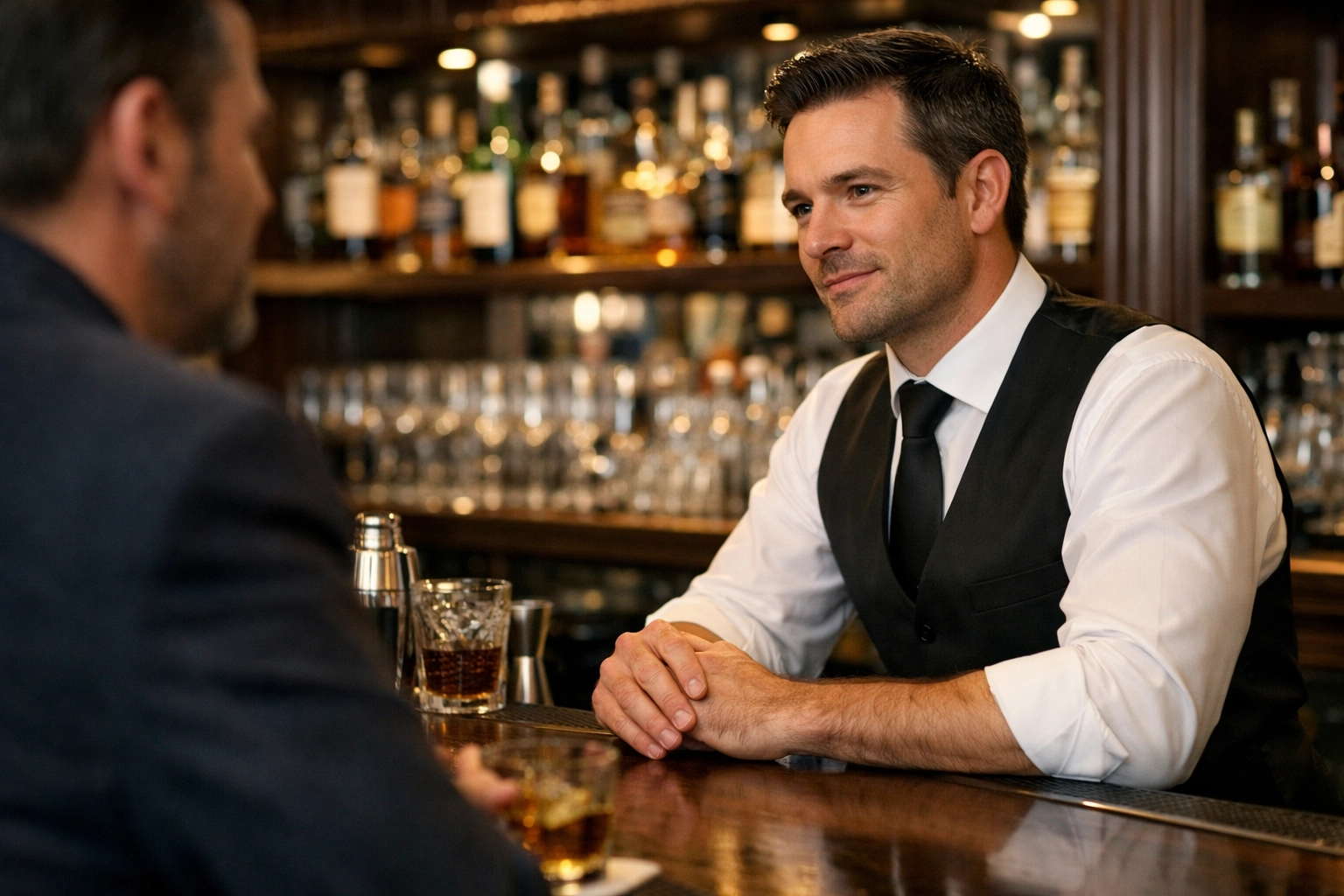
Refusing service to a guest is a sensitive task that requires de-escalation skills. Training provides servers with scripted responses and physical cues to handle these interactions professionally. By managing these situations calmly, the restaurant reduces the likelihood of a scene that could disturb other guests or lead to physical confrontations.
Protecting the Business Liquor License
A liquor license is often the most valuable asset a restaurant possesses. For many establishments, the ability to serve alcohol is the primary driver of guest traffic and overall revenue. Regulatory bodies monitor businesses closely for compliance with service laws.
Formal training programs are frequently viewed by regulatory agencies as evidence of a business’s commitment to responsible operation. In many jurisdictions, having a certified staff can be a mitigating factor during an administrative hearing regarding a violation. In some cases, proof of training is a prerequisite for maintaining or renewing a liquor license. Protecting this asset requires a continuous commitment to education and reinforcement of service standards.
The "Reasonable Efforts" Defense
In the legal arena, the concept of "reasonable efforts" is a vital component of a defense strategy. If a liability incident occurs, the business may be scrutinized to determine if it took all necessary steps to prevent the occurrence.
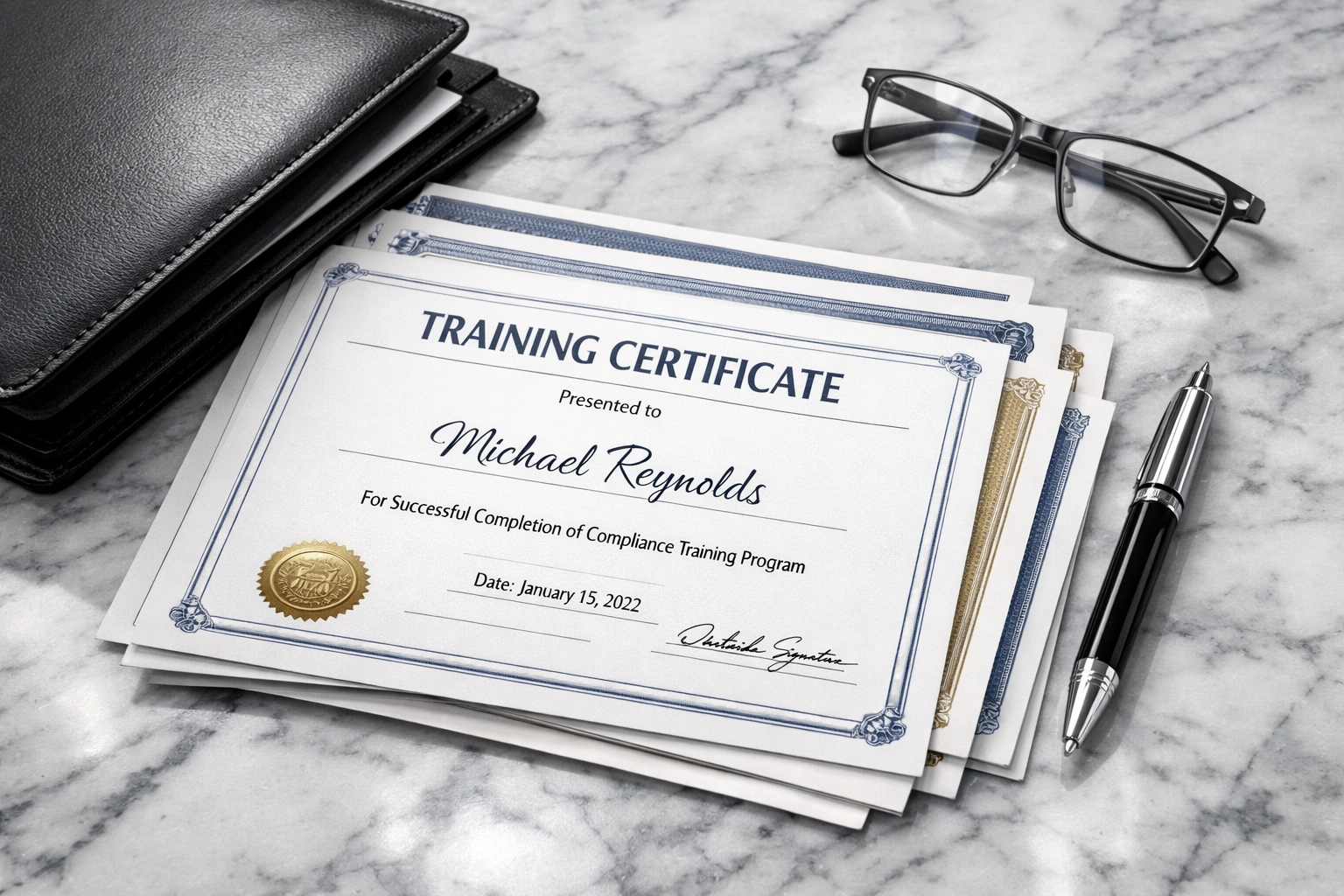
Documented proof of staff training serves as tangible evidence that the business owner exercised due diligence. It demonstrates that the establishment did not just have a policy on paper but invested in professional education to ensure that policy was enacted. This commitment to safety can be a determining factor in legal proceedings, positioning the business as a responsible entity that prioritizes public safety and regulatory compliance.
Enhancing Operational Standards and Professionalism
Beyond the immediate legal and safety benefits, liquor liability training elevates the overall professionalism of the restaurant. Staff members who are trained in these programs often exhibit a higher level of awareness and engagement with their work.
A well-trained team creates an atmosphere of safety and control. Guests are more likely to frequent establishments where they feel the environment is managed responsibly. This professional atmosphere supports the long-term reputation of the business, making it an pillar of the community rather than a source of concern for local authorities or neighbors.
Integrating Training into a Comprehensive Insurance Strategy
Risk management is a holistic process. While insurance coverage provides a financial backstop in the event of a loss, training provides the preventative framework that keeps the business operational. At Insurance Alliance LLC, we encourage business owners to view their insurance policy and their training programs as two sides of the same coin.
A comprehensive restaurant insurance strategy includes:
General Liability: Protection for common accidents on the premises.
Liquor Liability: Specific coverage for incidents related to the service of alcohol.
Professional Training: Certified education for all frontline staff.
Operational Procedures: Clear guidelines for ID checks and service refusals.
By aligning these elements, a restaurant creates a multi-layered defense against the unique risks of the hospitality industry.
Compliance and Mandatory Requirements
While some businesses pursue liquor liability training voluntarily, many find that it is a mandatory requirement for their specific operations. Regulatory requirements for server training can vary based on the type of license held and the nature of the establishment.
Staying ahead of these requirements is essential for maintaining compliance. Business owners should conduct regular audits of their staff's certification status to ensure that new hires are trained promptly and that veteran employees receive refresher courses as needed. Consistency is key; a single untrained employee can create a gap in the establishment's risk management shield.
Training for Management and Ownership
It is a common misconception that only servers and bartenders need liquor liability training. In reality, management and ownership should also be certified. Managers are responsible for overseeing the floor, supporting servers during service refusals, and ensuring that all policies are being followed.
When leadership is trained, they can lead by example and provide the necessary support when staff members encounter challenging situations. Furthermore, a management team that understands the nuances of liquor law is better equipped to draft effective internal policies and conduct meaningful pre-shift meetings regarding safety protocols.

Creating a Culture of Responsibility
The most successful restaurants are those that weave responsibility into the fabric of their culture. Training should not be a one-time event or a "check-the-box" exercise. It should be the starting point for ongoing conversations about safety and service standards.
Regularly reviewing incident reports, discussing "near-miss" situations, and recognizing staff members who handle difficult service refusals correctly are all ways to reinforce the importance of training. When employees see that ownership takes liquor liability seriously, they are more likely to take their own roles in risk management seriously.
Resources for Restaurant Owners
Navigating the complexities of business insurance and regulatory compliance requires a knowledgeable partner. Insurance Alliance LLC is committed to providing restaurant owners with the information they need to protect their businesses and their employees.
Implementing a rigorous liquor liability training program is one of the most effective ways to change how you manage your restaurant's risk. It transforms a reactive environment into a proactive one, where safety is prioritized and the business’s most valuable assets: its license and its reputation: are shielded from avoidable harm.
For more information on coordinating your risk management efforts with your insurance coverage, explore our resources for family dining restaurant insurance or contact us directly to discuss your specific needs.
Insurance Alliance LLC https://www.theinsalliance.com

Comments