
Tools and Equipment Insurance for Mobile Contractors
- marketing676641
- Jan 30
- 5 min read
Mobile contractors face a unique challenge. Your tools and equipment travel with you from job site to job site. They sit in work trucks, trailers, and temporary storage locations. They operate in environments ranging from residential neighborhoods to commercial construction zones. This constant movement creates exposure that standard business property policies often fail to address.
Tools and equipment insurance provides dedicated protection for the assets that keep your contracting business running. This coverage follows your gear wherever the job takes you: whether you operate in Florida, Texas, Arizona, Idaho, or Washington.
Understanding the Coverage Gap for Mobile Contractors
Standard commercial property insurance covers assets at a fixed business location. Auto insurance covers registered vehicles. Neither adequately protects the tools, machinery, and specialized equipment that contractors transport between multiple work sites.
This gap leaves mobile contractors exposed. Your table saw, diagnostic equipment, power tools, and specialty machinery represent significant investments. Without proper coverage, a single theft or accident could halt operations entirely.
Tools and equipment insurance fills this gap by providing protection specifically designed for movable assets used in contracting work.
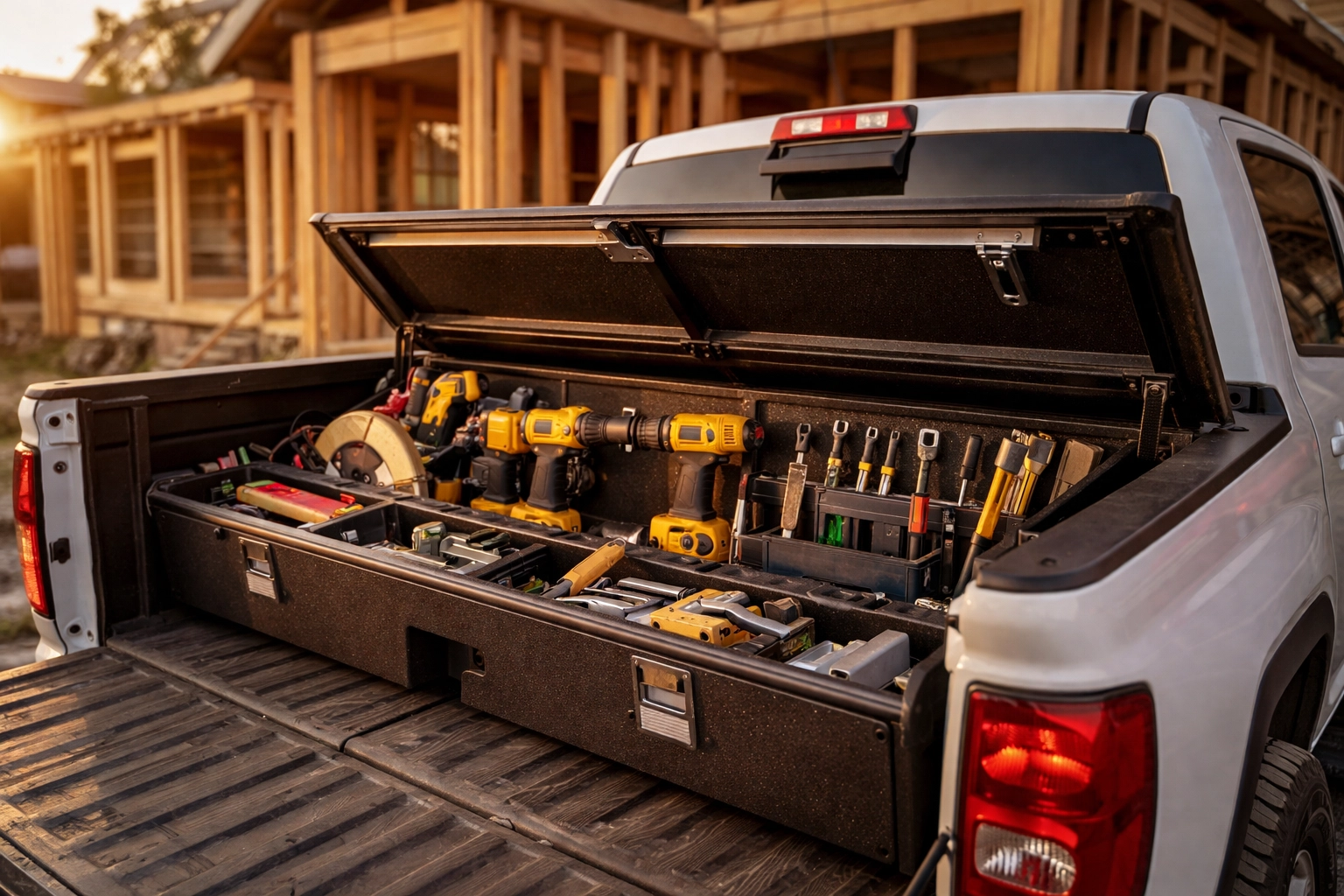
What Tools and Equipment Insurance Covers
This specialized coverage protects a comprehensive range of contractor assets, including:
Hand Tools and Power Tools
Drills, saws, and sanders
Hammers, wrenches, and screwdrivers
Diagnostic and testing equipment
Specialty trade-specific tools
Heavy Machinery and Equipment
Generators and compressors
Excavation equipment
Lifts and scaffolding systems
Welding equipment
Additional Protected Items
Equipment that is purchased, rented, leased, or borrowed
Employee-owned tools used for business purposes
Work clothing and protective gear
Coverage applies across multiple scenarios: at active job sites, during transit between locations, in storage facilities, and while secured in work vehicles or trailers.
Perils Covered Under Tools and Equipment Insurance
Tools and equipment insurance protects against a range of covered perils that mobile contractors commonly face:
Theft – Equipment stolen from job sites, vehicles, or storage
Vandalism – Intentional damage to tools and machinery
Accidental damage – Drops, impacts, and mishandling
Fire – Damage from fires at job sites or in storage
Weather events – Damage from storms, flooding, and wind
Equipment breakdown – Mechanical or electrical failure
The mobile nature of contracting work increases exposure to many of these perils. Job sites often lack permanent security measures. Equipment frequently sits in vehicles overnight. Weather conditions change rapidly across work locations.
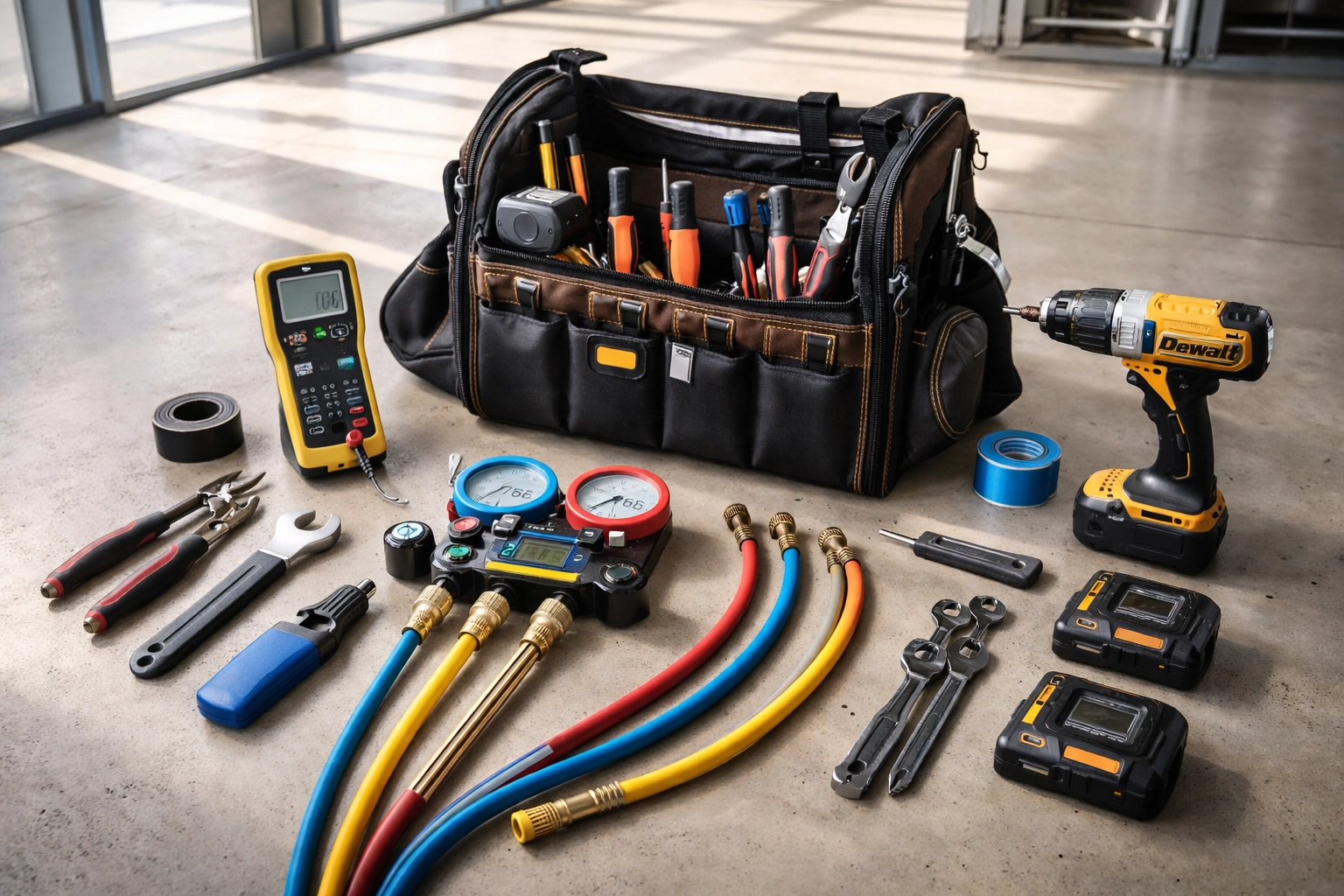
Types of Coverage: Scheduled vs. Unscheduled
Tools and equipment policies typically structure coverage in two tiers based on item value:
Unscheduled Coverage
Unscheduled coverage applies to smaller tools and equipment valued under a specified threshold, typically around $1,000 per item. This tier provides blanket protection without requiring individual item documentation.
Unscheduled coverage works well for:
Hand tools
Small power tools
Consumable work supplies
Lower-value diagnostic equipment
Scheduled Coverage
Scheduled coverage applies to larger, more valuable equipment. Each item is individually listed on the policy with specific details including make, model, serial number, and value.
Scheduled coverage is appropriate for:
Heavy machinery
Specialized diagnostic systems
High-value power equipment
Custom or modified tools
Working with your insurance professional to properly categorize your equipment ensures appropriate protection levels for each asset.
Inland Marine Insurance for High-Value Equipment
For equipment exceeding $10,000 in value, inland marine insurance typically provides the appropriate coverage structure. Despite the name, inland marine insurance has nothing to do with boats: it evolved from ocean cargo coverage to protect goods in transit over land.
Inland marine policies offer broader coverage terms for high-value mobile equipment such as:
Excavators and backhoes
Bulldozers and graders
Large generators
Crane equipment
Specialized trade machinery
Contractors operating heavy equipment should discuss inland marine options with their insurance professional to ensure adequate protection.
Why Mobile Contractors Need Dedicated Equipment Coverage
The contracting industry experiences significant equipment losses annually. Industry data indicates that up to $1 billion in construction equipment is stolen each year, with recovery rates below 10 percent.
Beyond theft, mobile contractors face elevated risk from:
Multiple Work Locations Each new job site introduces different security conditions, access points, and environmental factors.
Transit Exposure Equipment traveling between locations faces road hazards, loading and unloading damage, and theft during stops.
Temporary Storage Tools stored in vehicles, trailers, or temporary facilities lack the security of permanent business locations.
Weather Variability Outdoor work exposes equipment to rain, heat, cold, and storm conditions.
Dedicated tools and equipment coverage addresses these specific exposures that general business policies overlook.
Documentation Requirements for Equipment Coverage
Proper documentation supports accurate coverage and efficient policy management. Insurers typically request:
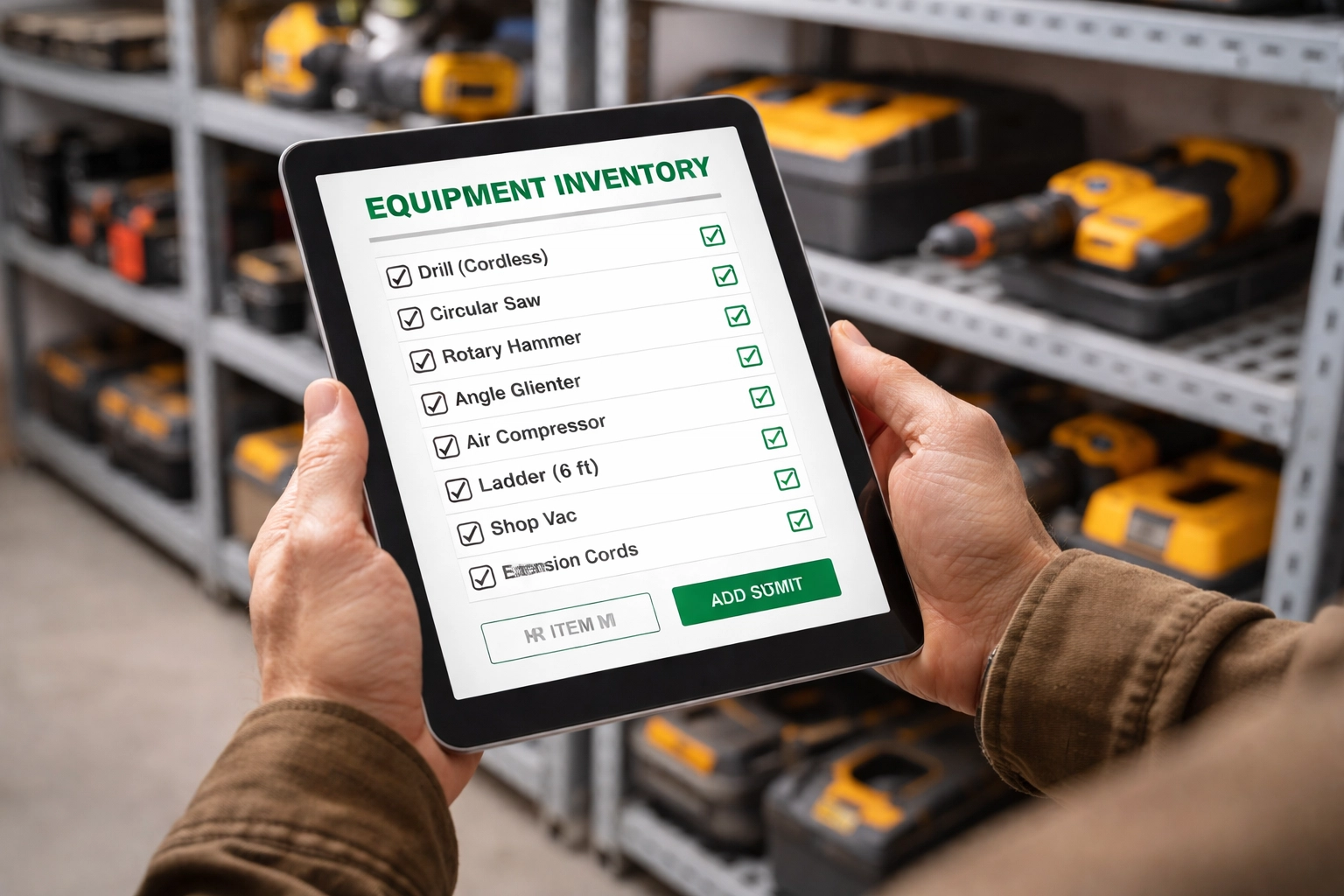
Equipment schedules listing all tools and machinery
Serial numbers and specifications for scheduled items
Photographs of high-value equipment
Purchase receipts or appraisals establishing values
Description of contracting work performed
Maintaining updated equipment records ensures your coverage reflects your current inventory. Adding new equipment and removing sold or retired items keeps your policy accurate.
Contractor Trades That Benefit from Equipment Coverage
Tools and equipment insurance serves contractors across all trades. Whether you specialize in one area or operate across multiple disciplines, this coverage protects your working assets.
Electrical Contractors rely on diagnostic equipment, wire pulling machines, and specialized testing tools that travel to residential and commercial locations.
HVAC Contractors transport refrigerant recovery systems, vacuum pumps, manifold gauges, and diagnostic computers between service calls.
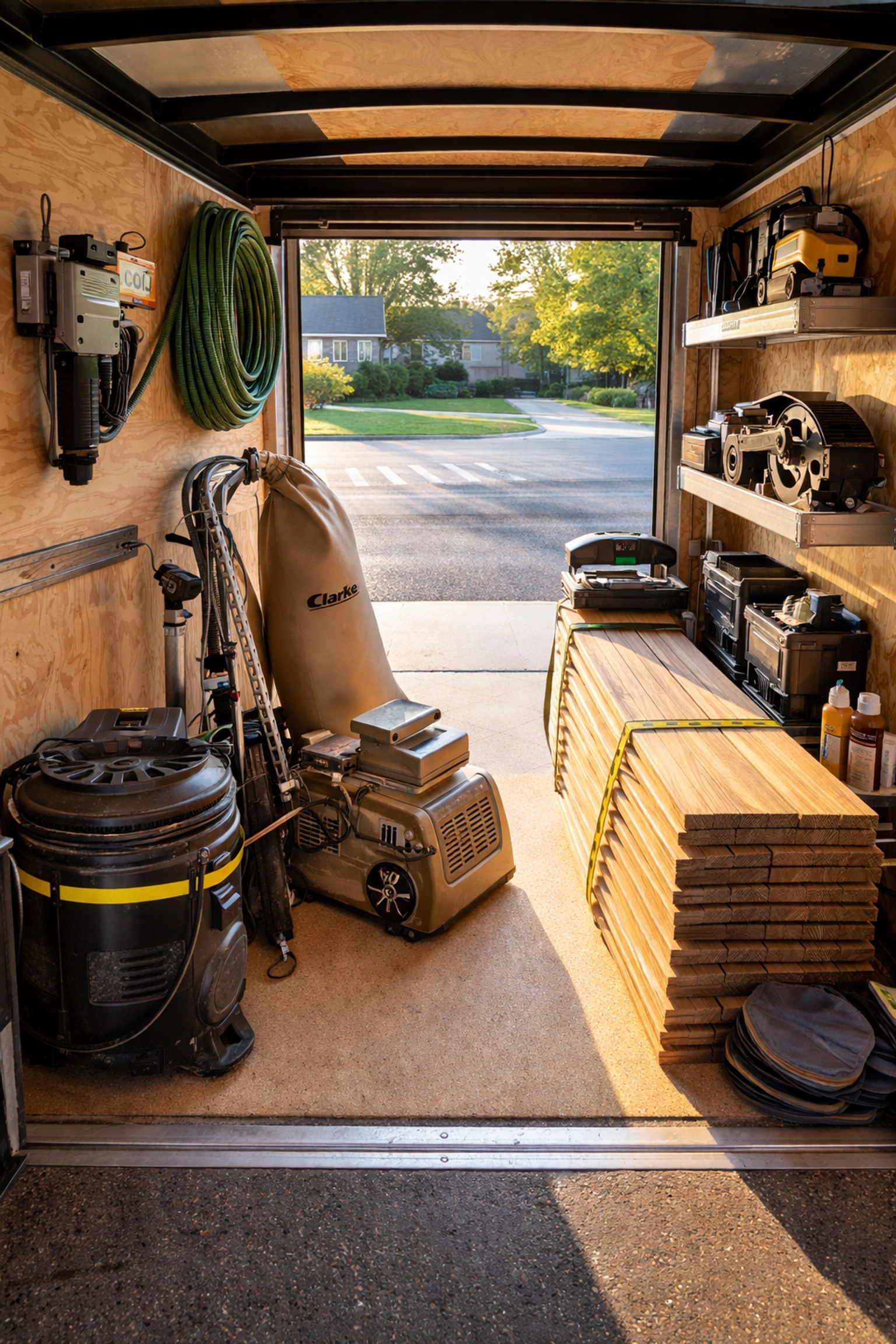
Flooring Contractors depend on floor sanders, nailers, saws, and moisture testing equipment that move from project to project.
General contractors, plumbers, roofers, painters, and other trades all benefit from coverage that follows their equipment wherever work takes them.
Integrating Equipment Coverage with Your Business Insurance Program
Tools and equipment coverage works alongside other essential business insurance policies to create comprehensive protection for contracting operations.
A complete contractor insurance program typically includes:
General liability insurance
Commercial auto insurance
Workers compensation insurance
Tools and equipment coverage
Professional liability (for applicable trades)
Coordinating these coverages eliminates gaps and prevents overlapping protection. Working with a knowledgeable insurance professional ensures your policies complement each other effectively.
Steps to Protect Your Equipment
Beyond insurance coverage, mobile contractors can take practical steps to reduce equipment loss and damage:
Secure storage – Use locked toolboxes, enclosed trailers, and secured storage facilities
Inventory management – Maintain current lists of all tools and equipment
Marking and identification – Engrave or mark equipment with identifying information
GPS tracking – Consider tracking devices for high-value machinery
Site security – Assess security conditions at each job location
Employee protocols – Establish clear procedures for equipment handling and storage
These practices complement your insurance coverage and demonstrate responsible risk management.
Work with Insurance Alliance LLC
Insurance Alliance LLC provides tools and equipment coverage for mobile contractors operating in Florida, Texas, Arizona, Idaho, and Washington. Our team understands the specific exposures that contracting businesses face and can structure coverage that protects your essential working assets.
Request a quote to discuss tools and equipment insurance options for your contracting business.
Insurance Alliance LLC Serving contractors in FL, TX, AZ, ID, and WA

Comments